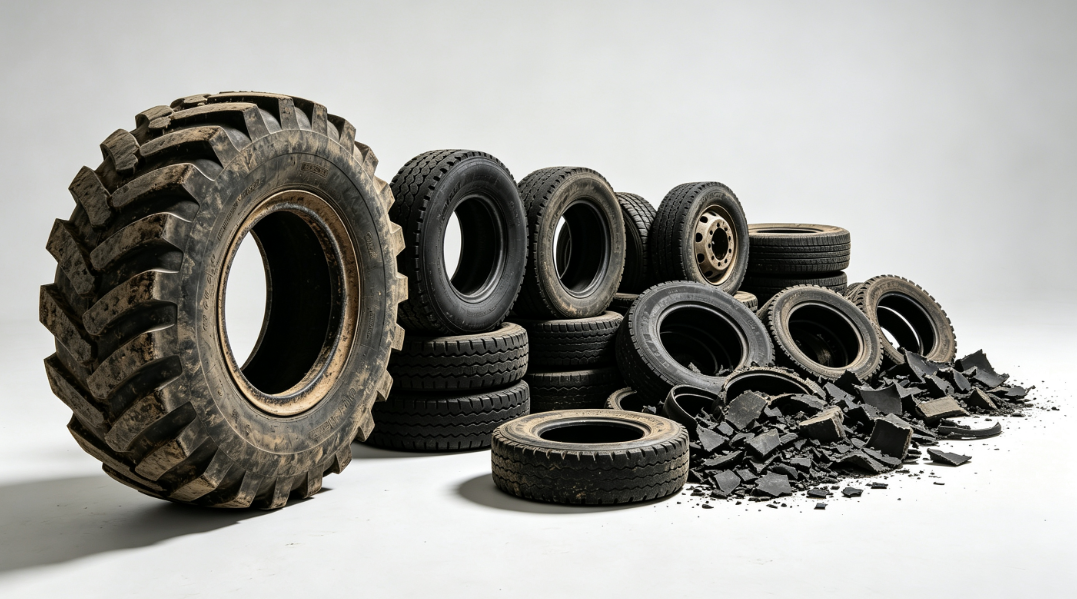







End-of-life car tyres are one of the most challenging waste streams in modern recycling. They are bulky, durable, and difficult to decompose naturally. However, with the right mechanical process, waste tyres can be transformed into valuable secondary fuel and rubber materials.
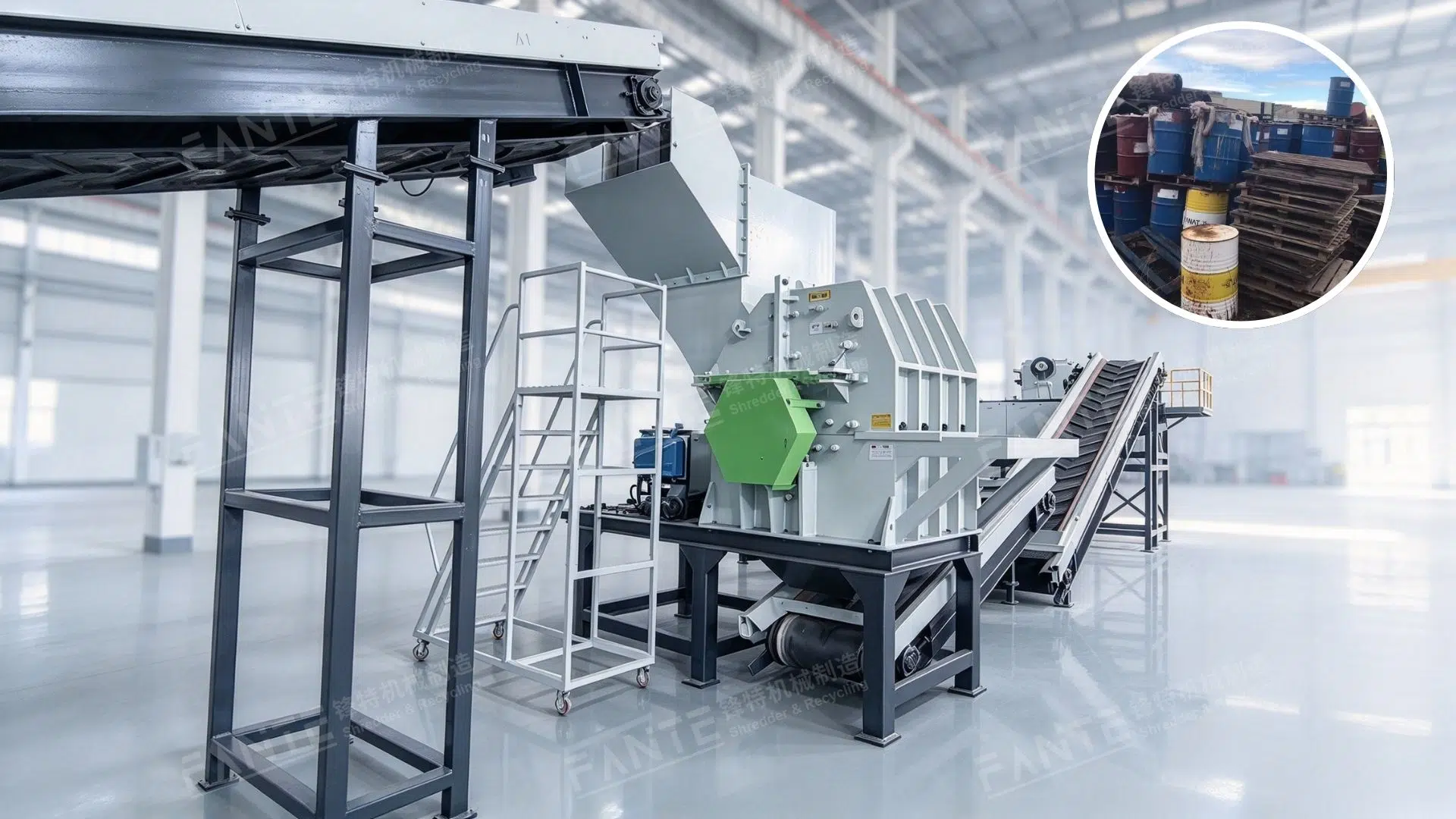
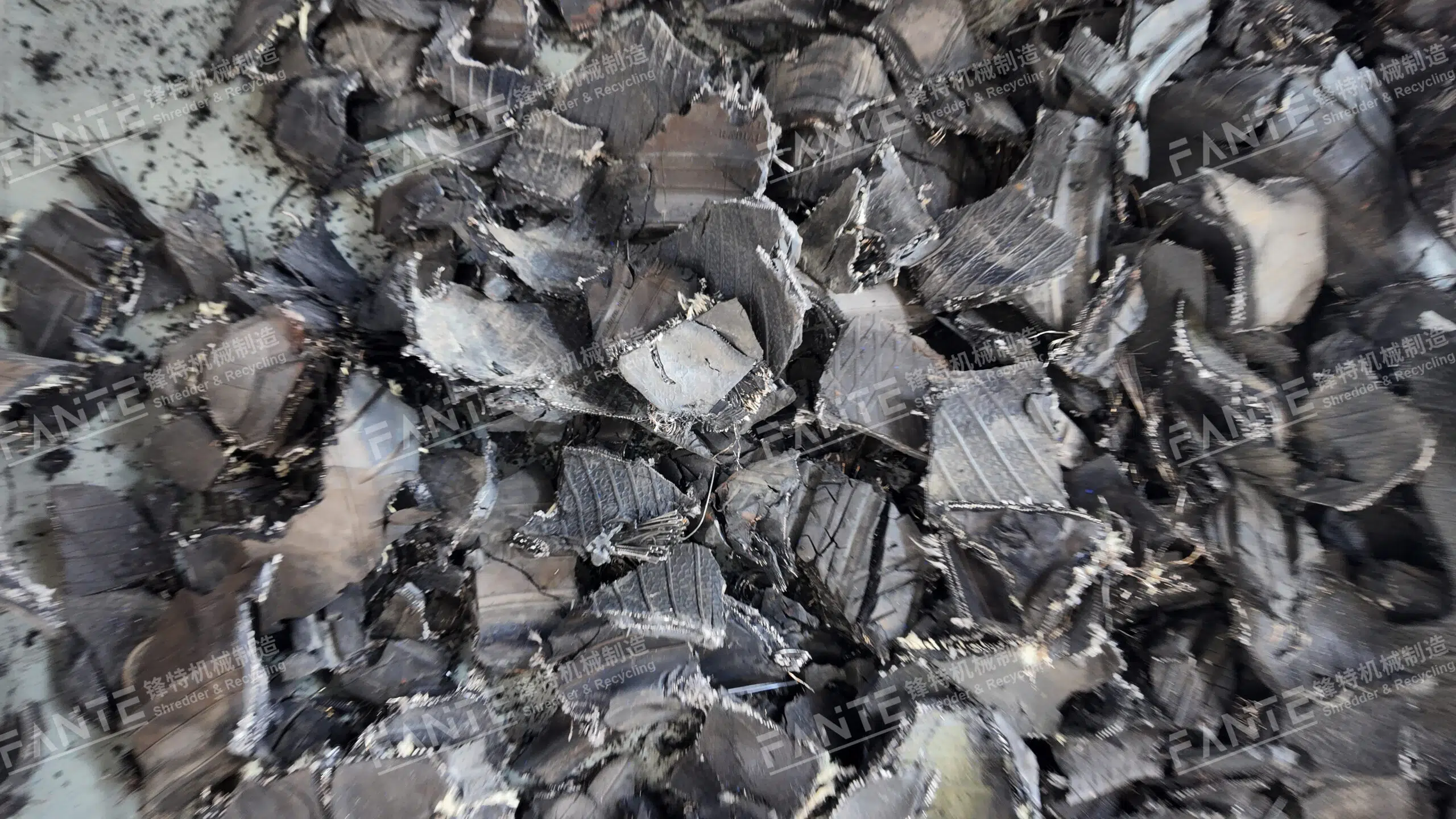
One of the most widely used solutions in industrial tyre recycling is the production of Tire-Derived Fuel (TDF). In this process, a trituradora de neumáticos plays a central role by converting whole car tyres into uniform 50×50 mm rubber blocks suitable for energy recovery applications.
This article explains how car tyres are recycled step by step, and how modern shredding technology enables efficient TDF production.
What Happens to Waste Car Tyres?
Car tyres are made from a complex combination of rubber, steel wire, and textile fibers. This structure makes them highly durable but also difficult to process without industrial equipment.
When recycled properly, tyres can be converted into:
- Tire-Derived Fuel (TDF)
- Rubber granules for industrial use
- Steel scrap for metal recovery
- Alternative raw materials for cement kilns
Among these outputs, TDF is one of the most practical and widely adopted solutions due to its high calorific value and stable combustion performance.
Step 1: Primary Size Reduction Using Tire Shredder
The first stage of car tyre recycling is size reduction.
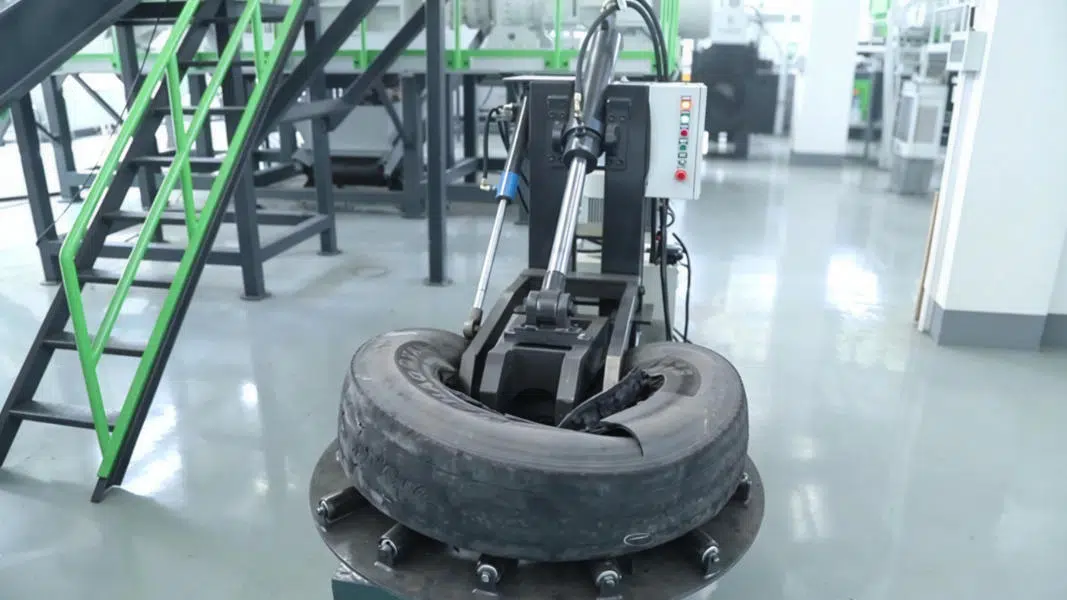
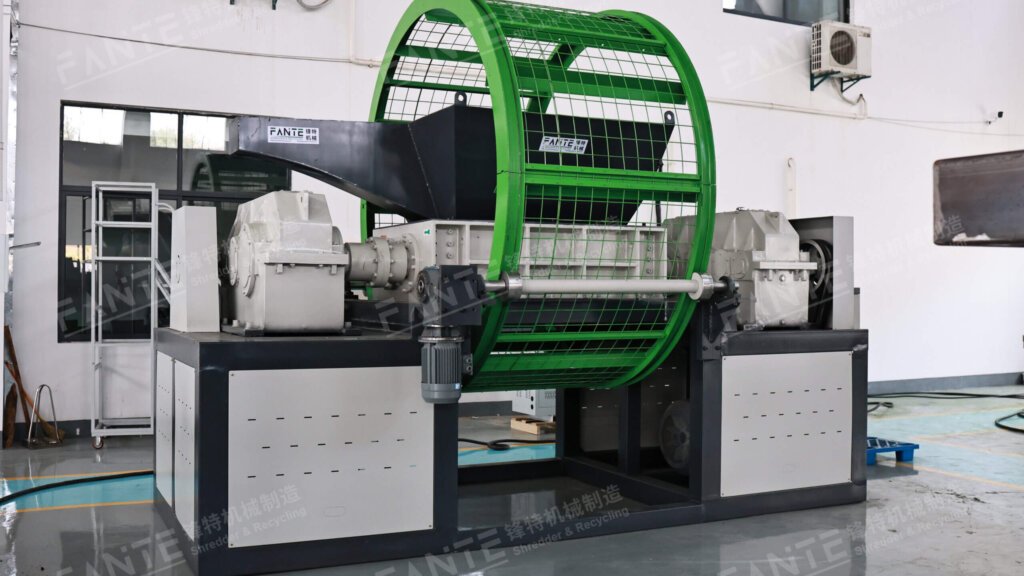
Whole tyres are fed into a heavy-duty trituradora de neumáticos, where they are cut and torn into manageable rubber blocks. The target output size for TDF production is typically around 50×50 mm.
Why shredding is essential:
- Reduces tyre volume by up to 70%
- Improves material handling and transport efficiency
- Prepares material for controlled combustion use
- Enables separation of steel and fiber components
A well-designed tire shredder ensures consistent output size and stable throughput, which is critical for downstream energy applications.
Step 2: Steel Wire Separation
After shredding, the material contains exposed steel wires from the tyre structure.
These steel components are separated through magnetic or mechanical separation systems. This step improves both the quality of TDF and the value recovery of recyclable steel.
Benefits include:
- Cleaner rubber fraction for fuel use
- Reduced wear on downstream equipment
- Additional revenue from recovered steel scrap
Step 3: Production of 50×50 mm TDF Fuel
Once shredded and cleaned, the rubber blocks are classified as Tire-Derived Fuel (TDF).
The standard size of 50×50 mm TDF is widely accepted in industrial applications such as:
- Cement kilns
- Power plants
- Industrial boilers
This size specification ensures:
- Stable combustion performance
- Efficient feeding into furnaces
- Consistent energy output
The output quality depends heavily on the performance of the trituradora de neumáticos, which controls both size uniformity and processing efficiency.
Step 4: Fiber and Contaminant Control
Car tyres also contain textile fibers that must be minimized for fuel applications.
Advanced processing systems remove lightweight fibers using air separation and screening technologies. This ensures the final TDF material meets industrial combustion standards.
Key benefits:
- Lower ash content
- Improved combustion efficiency
- Reduced emissions during burning
Industrial Applications of TDF from Car Tyres
Tire-Derived Fuel is widely used across heavy industries due to its high energy value.
Cement Industry
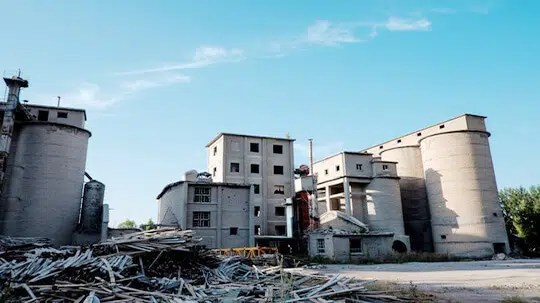
TDF is commonly used as a coal substitute in cement kilns, reducing production costs and carbon emissions.
Power Generation
Some industrial boilers use TDF as an alternative fuel source.
Industrial Heating Systems
Factories use TDF for thermal energy production in controlled environments.
Advantages of Using Tire Shredder-Based Recycling Systems
Modern recycling systems built around a trituradora de neumáticos provide several key advantages:
Alta eficacia
Continuous processing allows stable output for industrial-scale operations.
Energy Recovery
Waste tyres are converted into high-energy fuel instead of being landfilled.
Beneficios medioambientales
Reduces illegal dumping, burning, and long-term landfill pollution.
Valor económico
TDF provides a cost-effective alternative to traditional fossil fuels.
Key Technical Considerations
When designing a tyre recycling system for TDF production, several factors must be considered:
- Shredder capacity (tons per hour)
- Output size consistency (50×50 mm standard)
- Blade material and wear resistance
- Steel separation efficiency
- System automation level
Proper system design ensures long-term operational stability and reduced maintenance costs.
PREGUNTAS FRECUENTES
Q: Why are waste tires suitable for fuel?
A: Tires have high calorific value, similar to coal, making them efficient for energy recovery.
Q: Is steel removed before producing TDF?
A: Yes. Steel wires are separated to improve fuel quality and protect downstream equipment.
Q: Can TDF replace coal completely?
A: In some cement kilns, TDF can partially replace coal, but full replacement depends on system design.
Conclusión
Recycling car tyres into TDF is a proven industrial solution that combines environmental protection with economic value creation. Through mechanical size reduction, steel separation, and controlled processing, waste tyres can be transformed into high-performance fuel materials.
At the core of this process, the tire shredder plays a critical role in determining efficiency, output quality, and overall system performance. With the right equipment configuration, tyre recycling becomes a scalable and profitable industrial operation.
If you are planning to start a tyre recycling project or upgrade your existing system, a properly designed shredding-based TDF line can provide a reliable and sustainable solution.