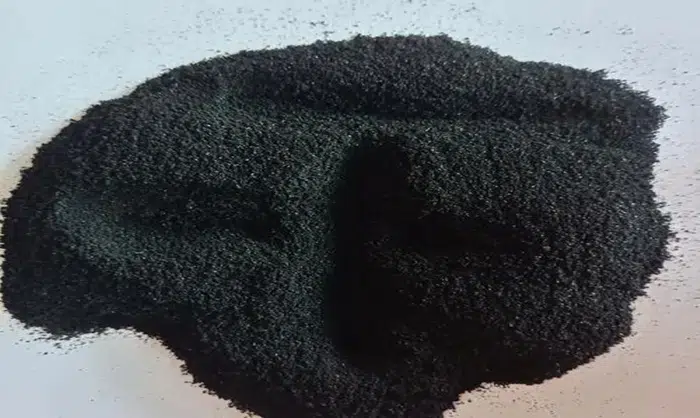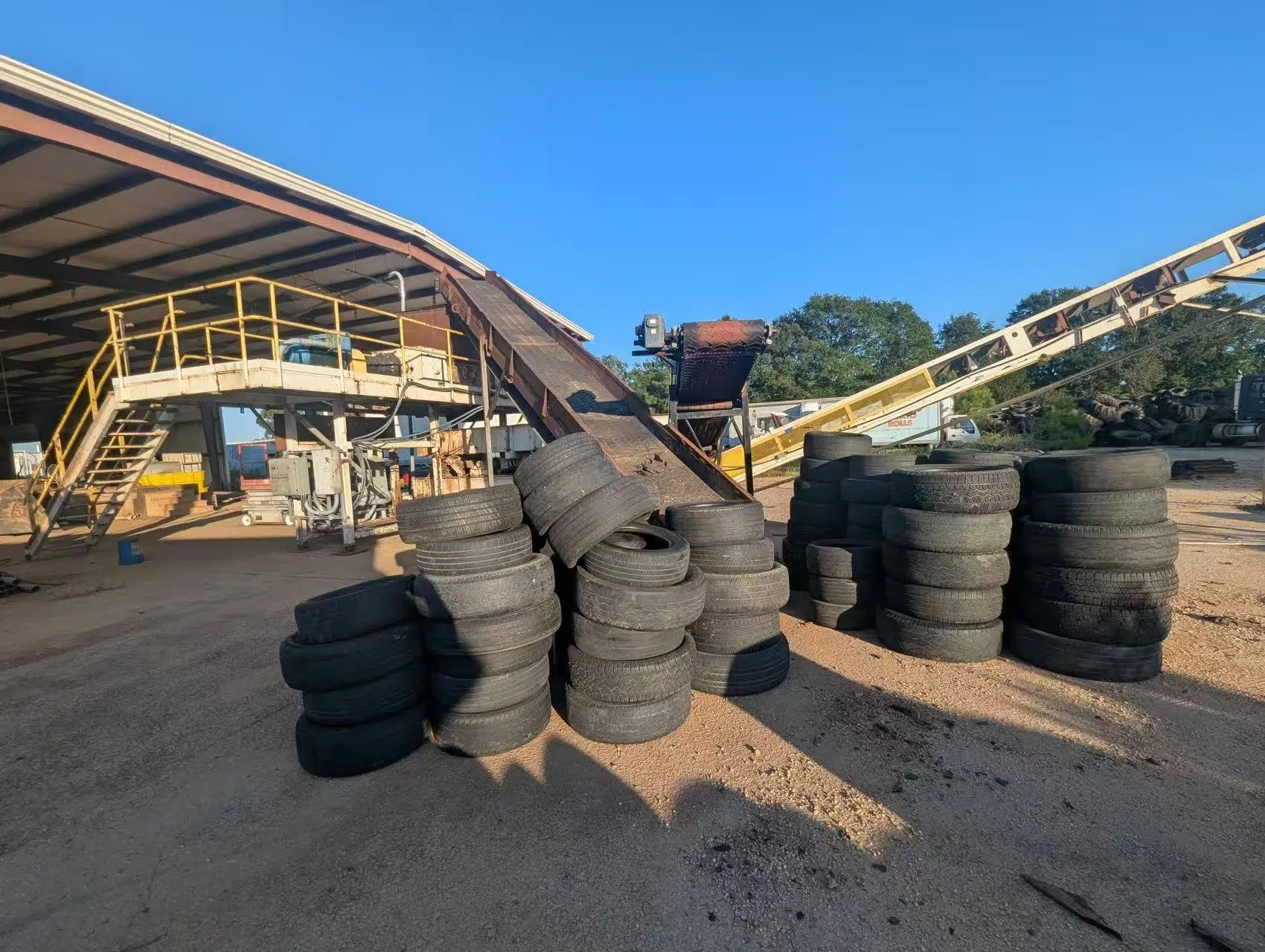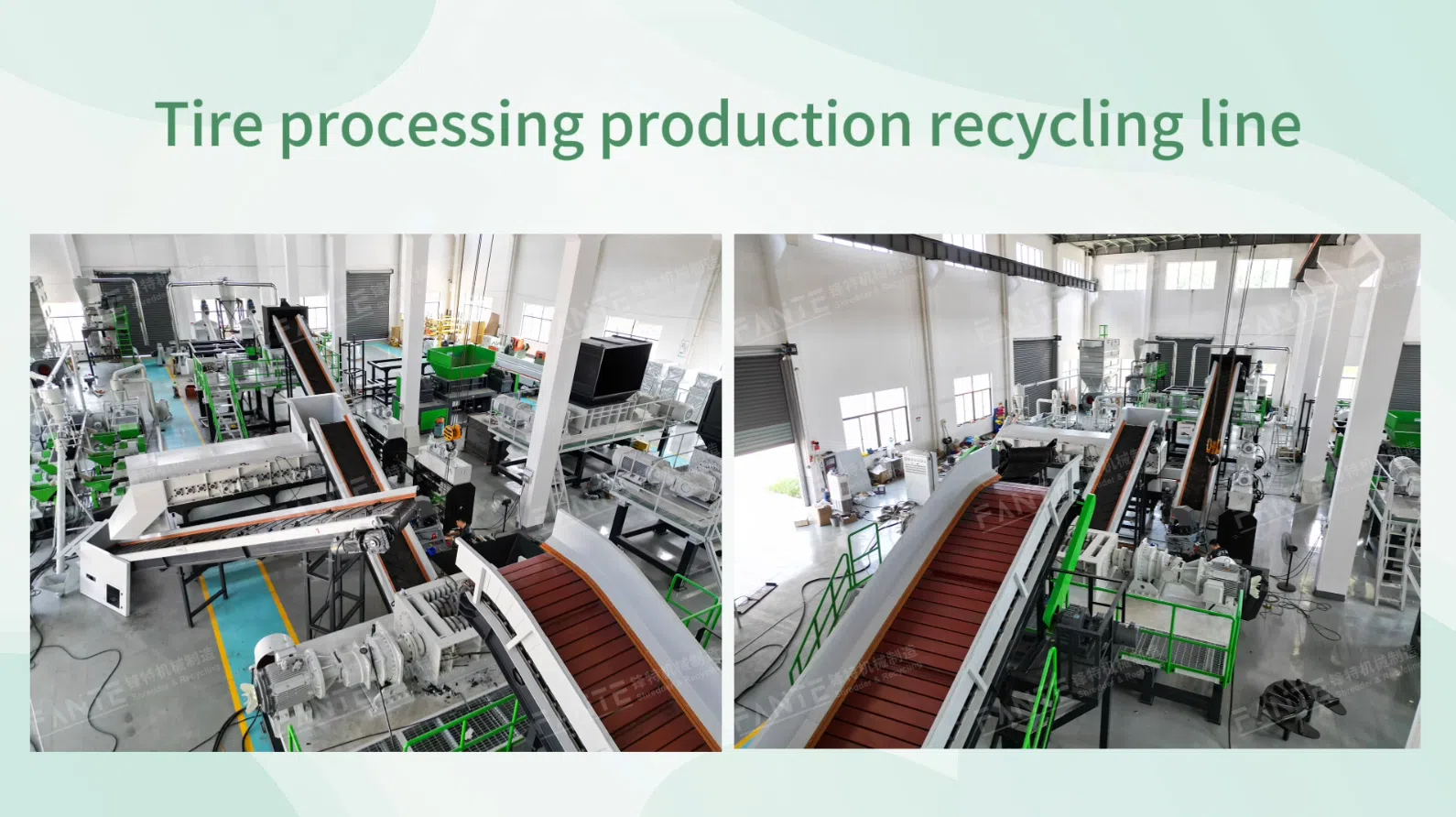







There is an increasing trend in the amount of waste generated by electrical and electronic equipment (WEEE). The UN’s Global E-waste Monitor 2020 reports 53.6 million metric tonnes (Mt) of electronic waste globally in 2019, a 21 per cent increase over just five years. E-waste — discarded products with batteries or plugs — will reach 74 Mt by 2030, almost double the 2000 figure.
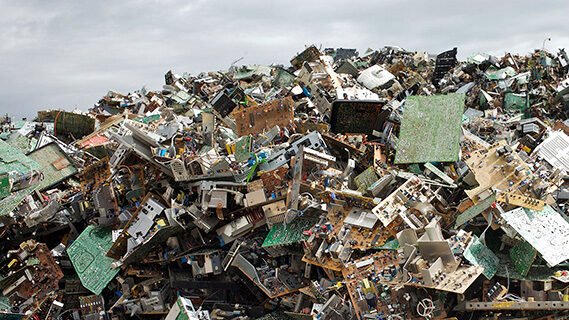
Recycling PCB Waste: Methods and Environmental Impact
Printed Circuit Boards (PCBs) contain approximately 40% metals, 30% organic materials, and 30% ceramics. Advanced recycling methods recover nearly 99% of valuable metals like copper, aluminum, tin, gold, silver, platinum, and palladium from PCBs. However, proper recycling handled only 17.4% of last year’s e-waste, resulting in an estimated $57 billion in precious materials lost to improper disposal.
This lost potential highlights the importance of developing efficient PCB recycling methods to recover valuable resources and reduce the environmental impact of electronic waste. PCBs also contain hazardous substances like mercury, which, if not properly disposed of, can cause serious environmental damage.
Common Methods for Recycling PCB Waste
Heat Treatment Method The heat treatment process involves techniques like incineration, vacuum cracking, and microwave treatment to separate organic materials from metals. These methods help break down the PCBs, making it easier to extract valuable metals.
Chemical Treatment Method: Chemical treatment utilizes solvents to clean, soak, and extract PCB components based on their chemical stability. This method is effective for separating metals and organic materials.
The cracking method, also known as dry distillation, heats e-waste in a controlled oxygen-free environment to decompose organic matter into oil and gas. Condensation recovers these byproducts and reduces emissions of harmful gases such as dioxins and furans.
Incineration Method Incineration involves burning e-waste to break down organic components, leaving behind metal and glass fiber. However, this method generates toxic fumes, requiring secondary combustion to reduce emissions.
Physical Recycling Method The physical method relies on the crushing and mechanical separation of PCBs based on their physical properties. Crushing the PCBs to particles as small as 0.6mm ensures that metals can be fully dissociated from organic materials. This method includes air separation and electrostatic separation, achieving up to 99% purity in recovered materials.
Why Physical Recycling is the Best Method
Among all recycling methods, the physical recycling method is the most environmentally friendly and widely used. It minimizes pollution and ensures the preservation of valuable metals during the recycling process.
If you’re interested in learning more about waste PCB recycling equipment, feel free to contact us for more information on how to efficiently recycle electronic waste.