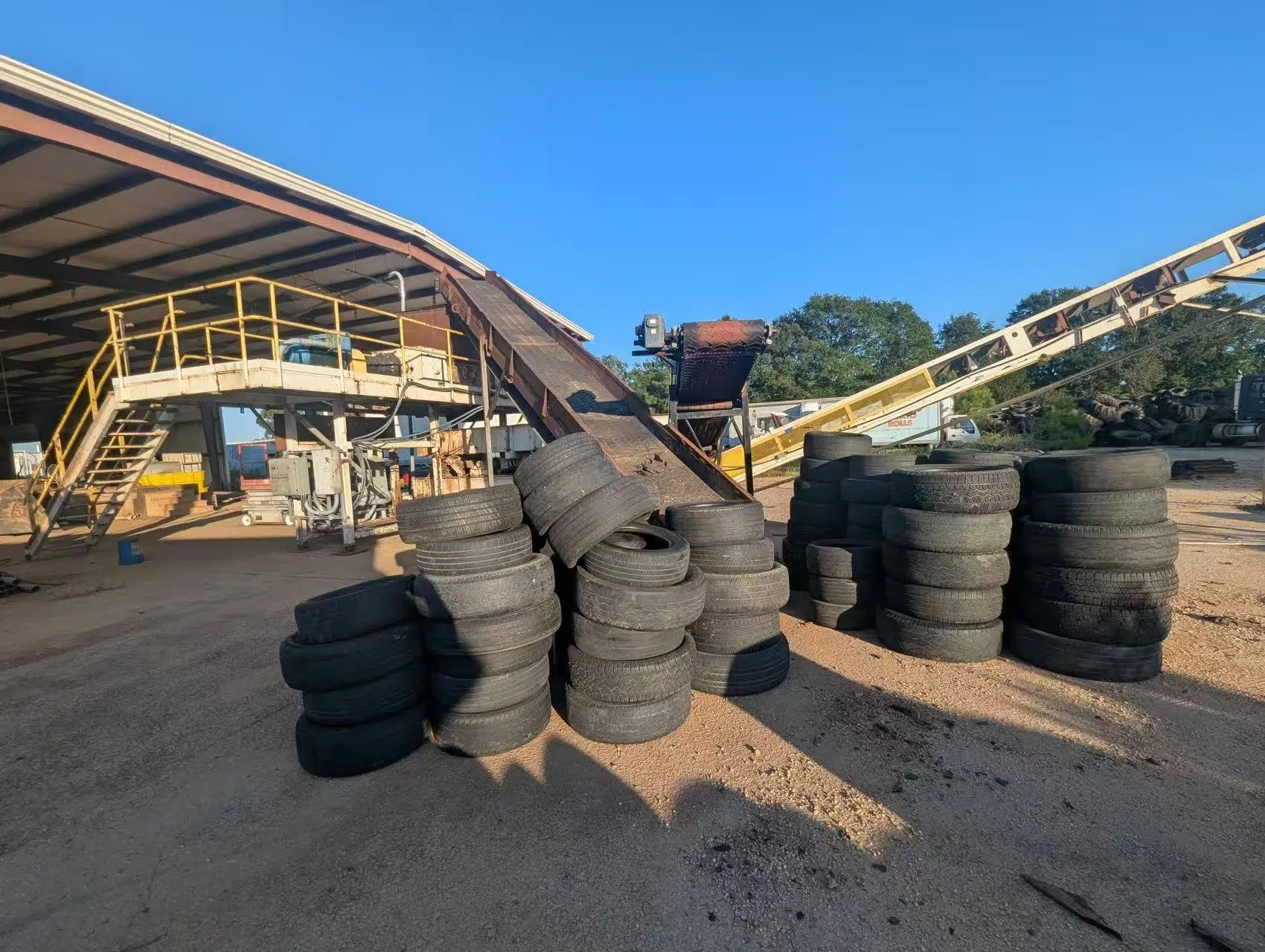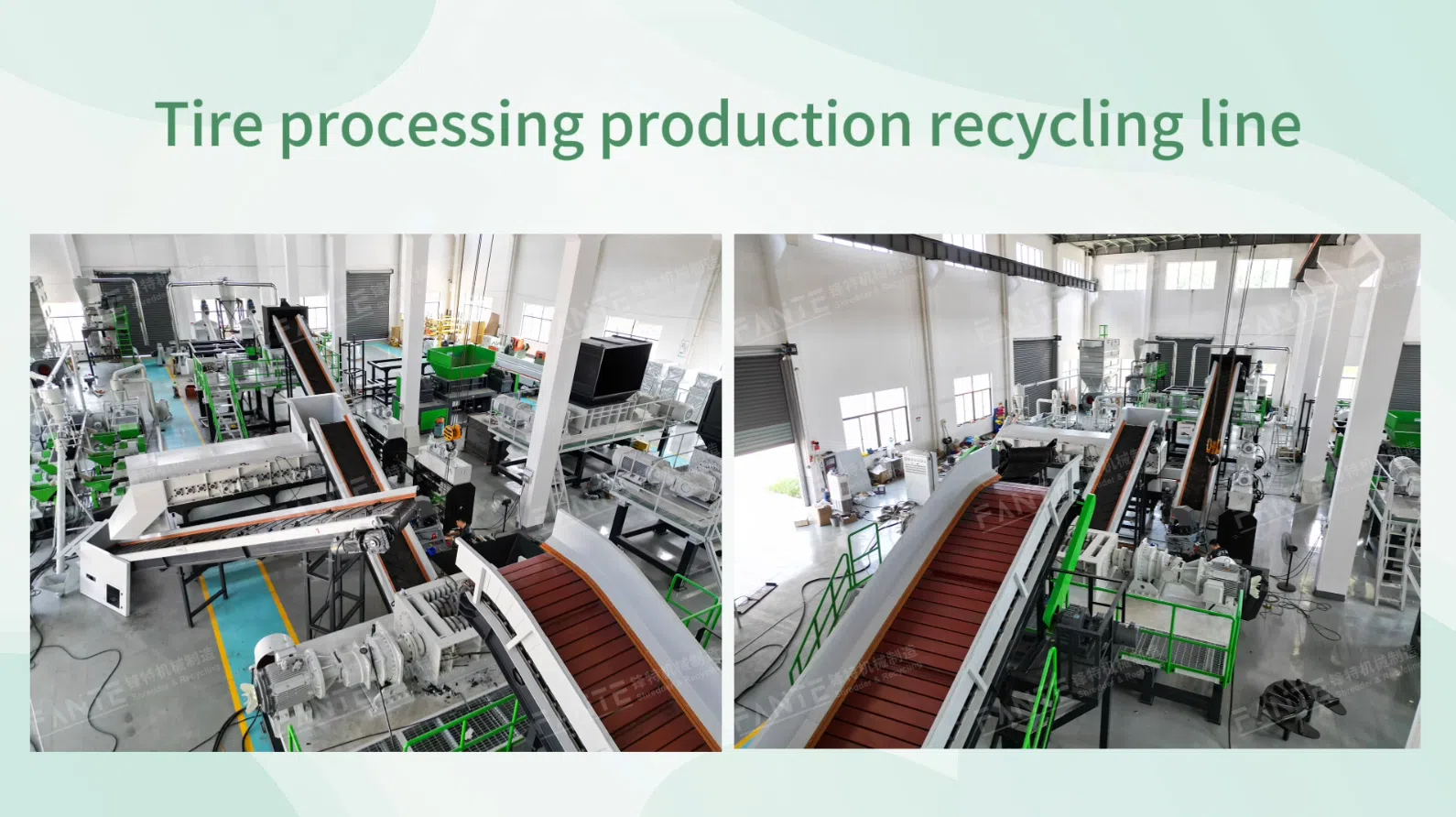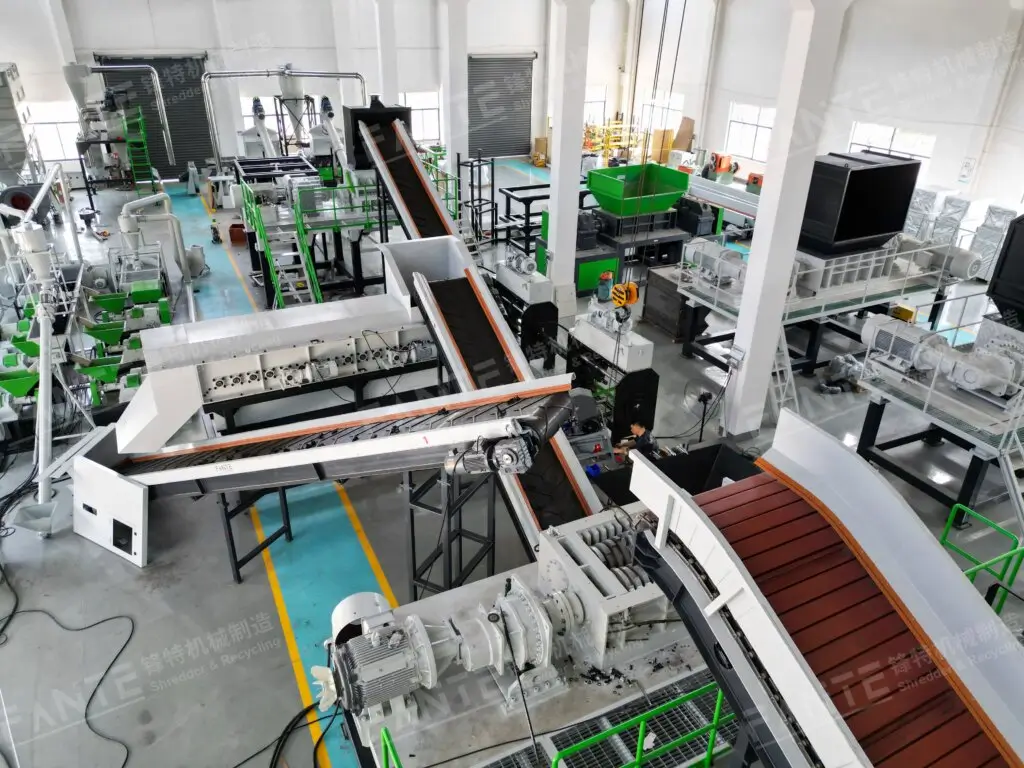







Reclaimed rubber serves as a rubber substitute produced from waste vulcanised rubber or waste rubber products. Crushing and impurity removal (such as fibres and metal particles) first process the raw materials, then physical and chemical treatments eliminate elasticity and restore rubber-like rigidity, tackiness, and vulcanisability. Reclaimed rubber is not the same as virgin rubber; there are significant differences between the two in terms of molecular structure and composition. However, in practical applications, reclaimed rubber replaces some virgin rubber in the manufacture of rubber products.
Numerous processes exist for the preparation of reclaimed rubber; the oil method and the water-oil method stand as the two most commonly used at present. The main difference between these two processes lies in the desulphurisation and regeneration process.
Oil-based Desulphurisation and Regeneration Process
Waste rubber powder is fed into a mixing machine, stirred, loaded onto a trolley, and sent to a horizontal steam regeneration tank for regeneration. The process flow is shown in the figure below.
Waste rubber oil-based desulphurisation process flow
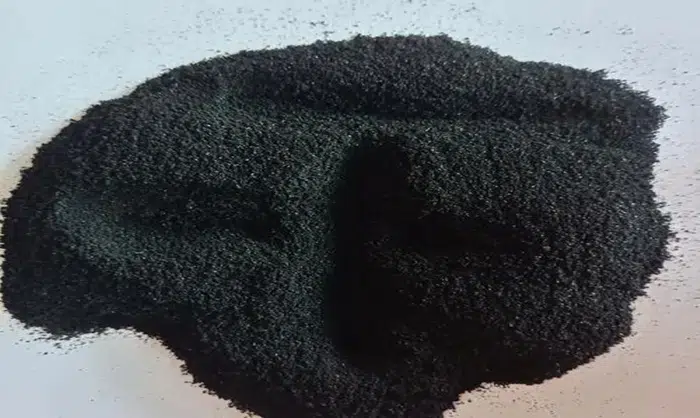
Water-oil Desulphurisation and Regeneration Process
Operators load warm water, regeneration agents (activators, plasticisers, tackifiers, etc.), and rubber powder into a regeneration tank equipped with a stirrer and a high-pressure steam jacket. The system conducts regeneration under stirring with water as the heat transfer medium. Workers process the regenerated rubber powder through washing, water pressing and drying to produce reclaimed rubber. Although this method requires a significant amount of equipment and involves a substantial investment, it yields high-quality regenerated rubber, has a short regeneration time, and achieves a high output.
Novel Desulfurization Process
The core equipment of the new process is a sealed multi-tube 3D heating unit. Rubber powder travels sinusoidally through six 18m reciprocating tubes for desulphurisation via staged heating, reheating, agitation, and cooling.
Process flow: rubber powder with plasticisers → feed → preheating zone → high-temperature zone → holding zone → cooling zone → discharge.
Operation: powder enters the 150°C heating section, moves to the 260°C zone for 5–6 minutes, then cools. Desulphurised clinker discharges continuously at 75–80°C, with the full process taking about 15 minutes.
The first five tube sets act as the pyrolysis zone, and the last as the cooling zone. Heating, temperature control, and cooling are microcomputer-controlled with automatic monitoring, ensuring stable product quality. Continuous high-temperature operation and short reaction time deliver high energy efficiency.
Advantages of the New Continuous Desulfurization Process
The new continuous desulphurisation unit is compact and lightweight. It requires no steam and replaces the water-oil method equipment. A single unit substitutes boilers, tanks, water pumps and dryers. The desulphurisation reaction uses no water or steam. The unit releases no toxic gases or harmful wastewater. This technology serves as a green replacement for polluting processes. The process has no special requirements for rubber particle size. 25-mesh rubber powder can be fed directly into it. The process produces high-quality recycled rubber. All products meet the Grade 1 standard of the water-oil method.