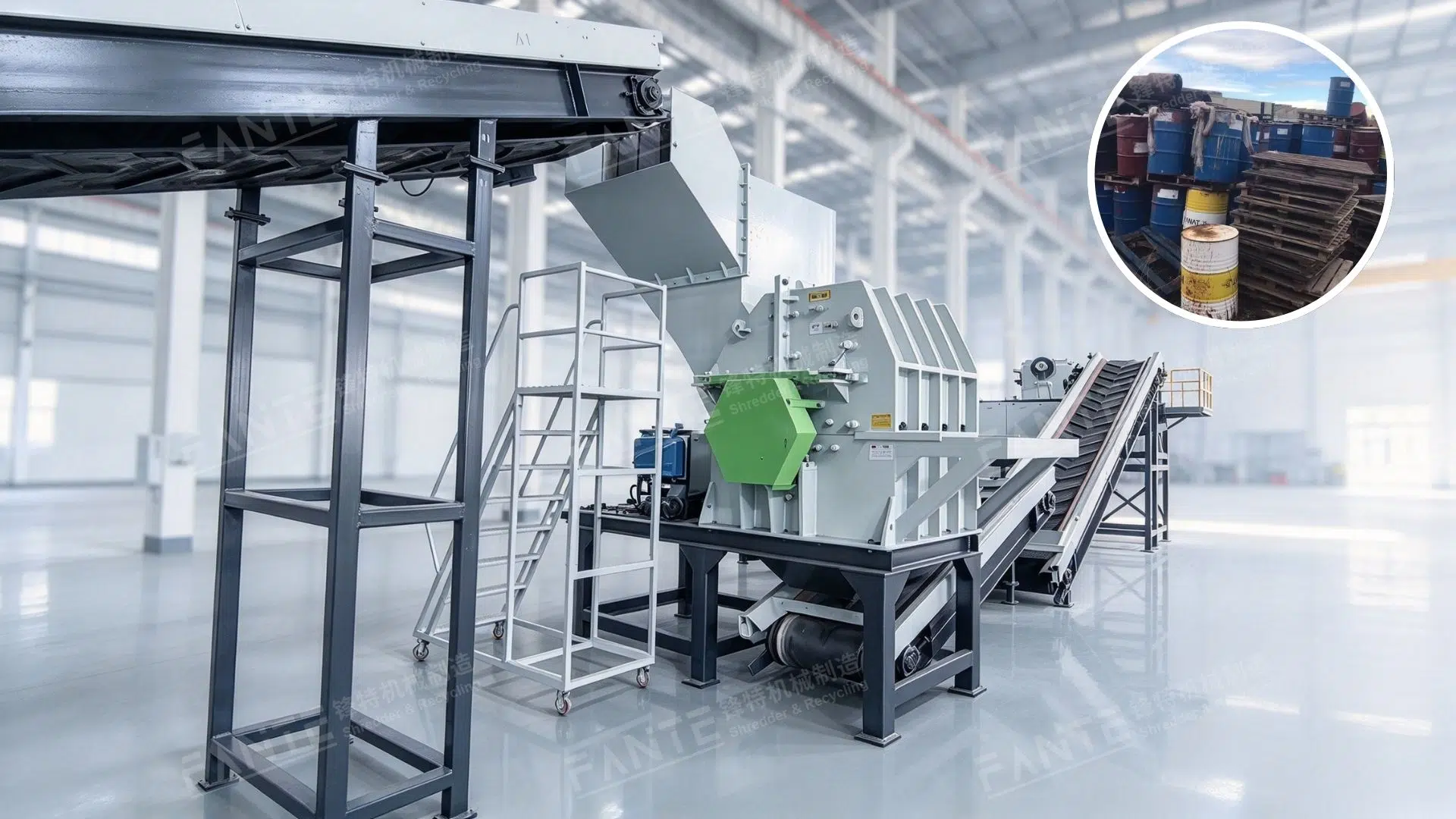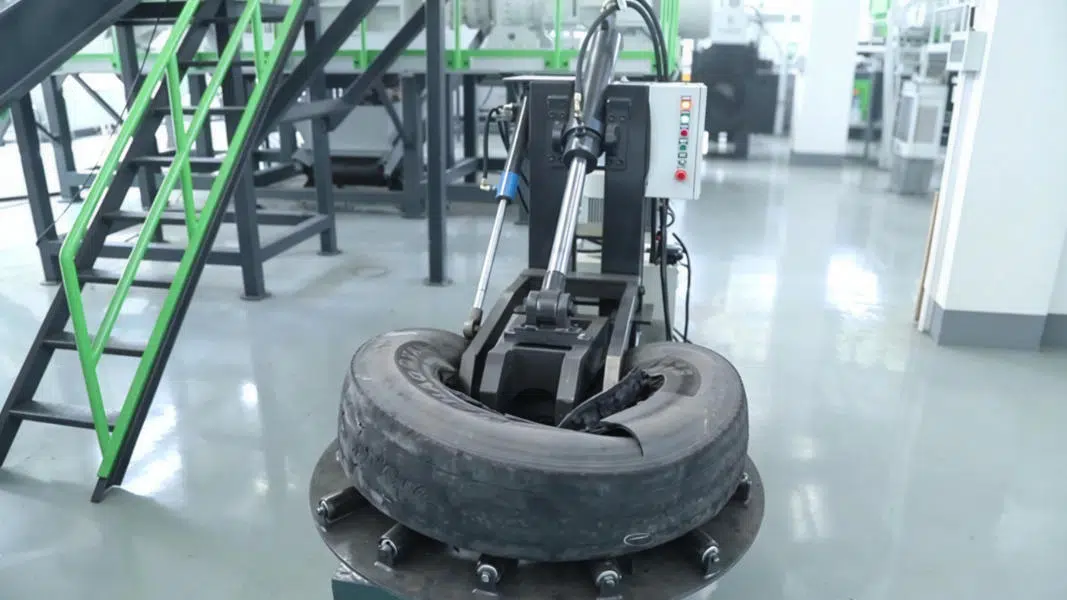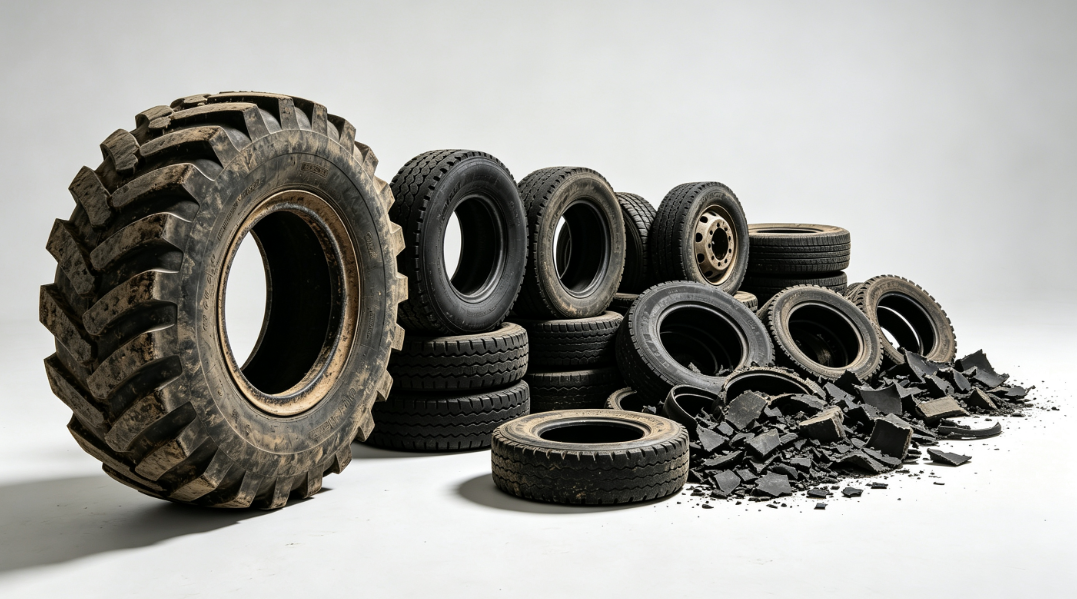







Waste truck tires are larger and more heavily reinforced than passenger car tires. Their thick rubber layers and strong steel belts make them difficult to process with standard recycling equipment.
However, these tires also contain valuable materials. With the right processing system, their rubber, steel, and fiber can be recovered and converted into useful products.
This makes truck tire recycling more than a waste disposal method. It is a resource recovery process that can create multiple revenue streams while reducing the environmental burden of end-of-life tires.
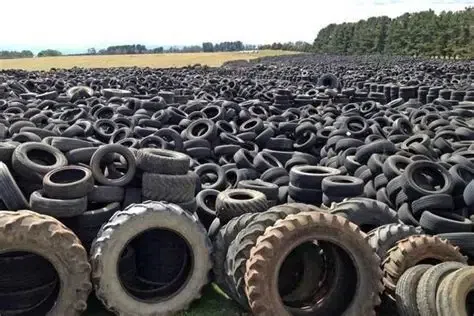
What Can Recycled Truck Tires Be Used For?
1. Tire-Derived Fuel
One of the most established applications is tire-derived fuel, or TDF.
Whole truck tires can be mechanically processed into appropriately sized tire chips for industrial combustion. TDF is used in applications such as cement kilns, pulp and paper mills, and utility boilers.
Truck tires are particularly suitable for this application because their rubber contains significant stored energy.
The basic process is:
Waste truck tires → Shredding → Size control → Steel separation → TDF
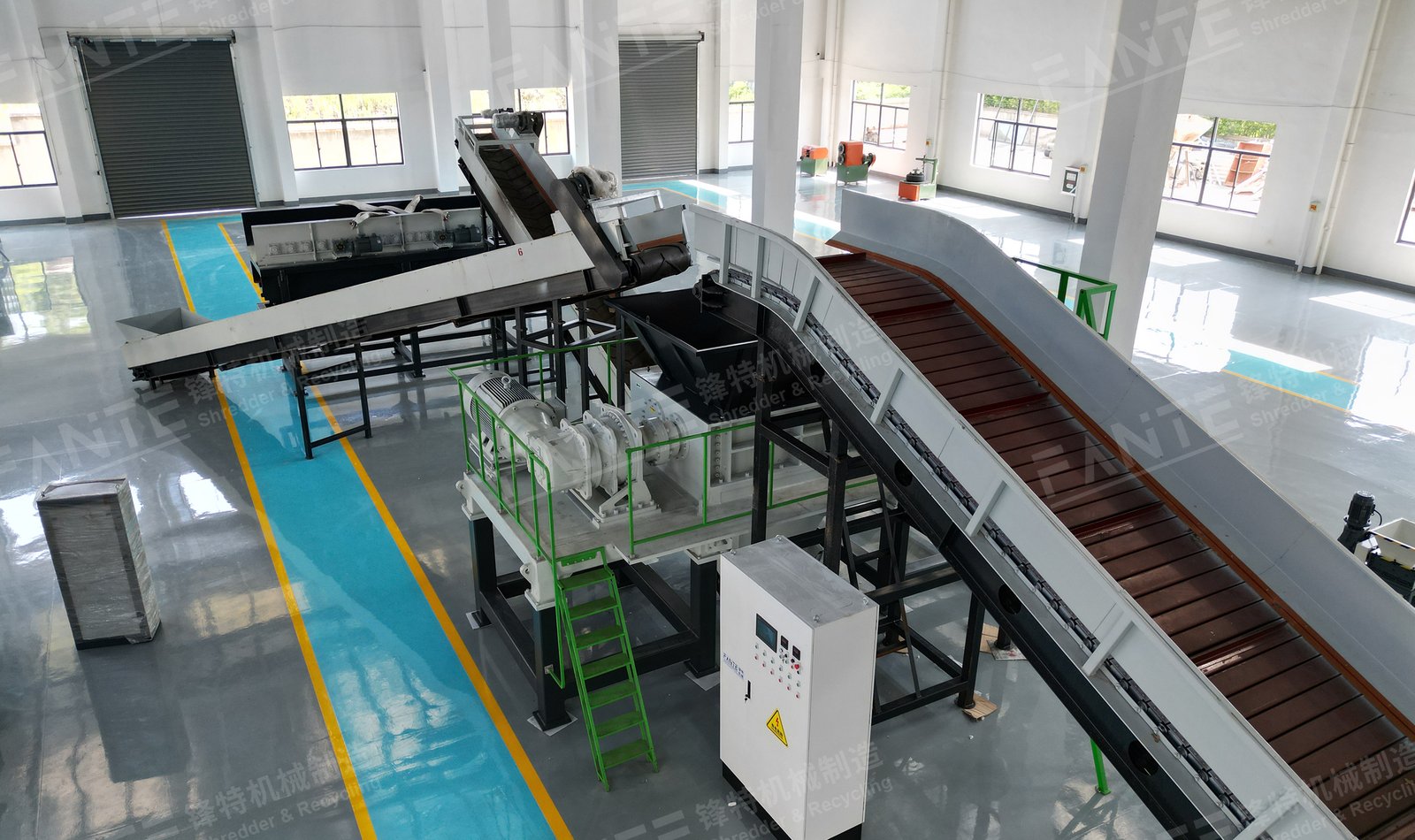
For plants producing fuel chips, the required particle size depends on the combustion system and feeding requirements.
2. Rubber Granules
Truck tires can also be processed into rubber granules after further shredding, grinding, and separation.
The production process normally includes:
- Trituración primaria
- Separación del acero
- Secondary granulation
- Fiber separation
The result is cleaner rubber material with a controlled particle size.
Crumb rubber has applications in athletic tracks, synthetic turf infill, playgrounds, flooring, mats, and other rubber products.
3. Rubber Powder
Truck tires can be processed into rubber powder after the steel and fibers are removed.
Ground tire rubber can be incorporated into asphalt mixtures to modify their properties. Research has also examined crumb rubber as a polymer modifier for asphalt applications.
Rubber powder can be used in:
- Modified asphalt
- Building materials
- Recycled rubber
How Should You Choose a Truck Tire Recycling System?
Before investing in equipment, recycling operators should answer four questions.
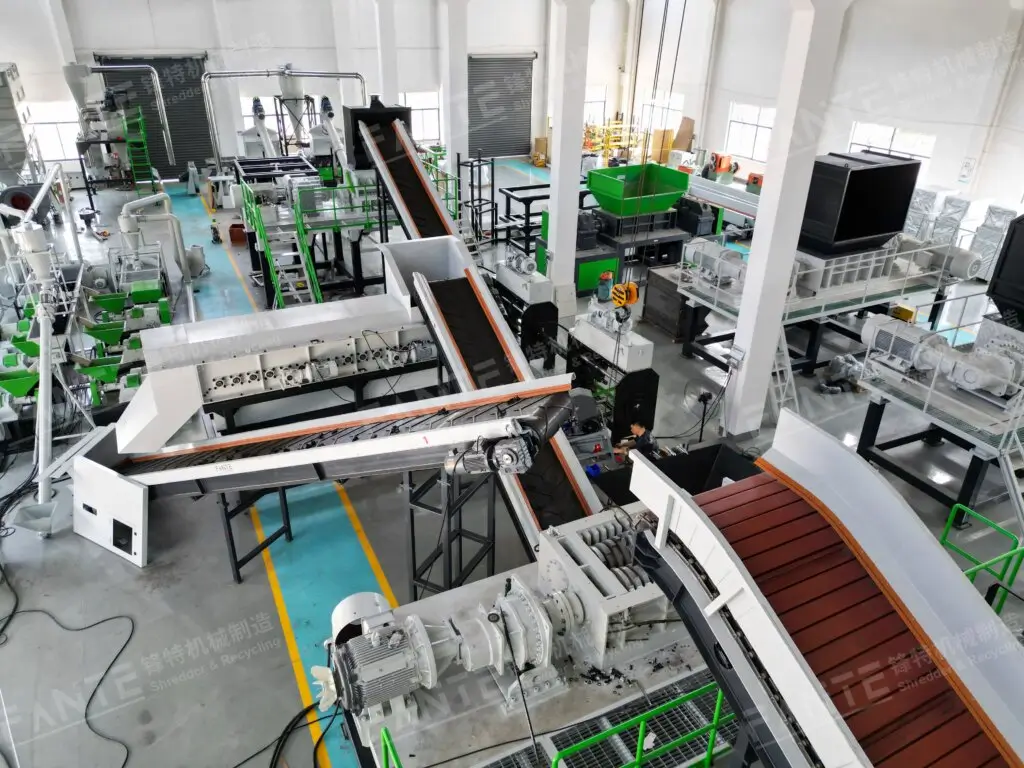
1. What Tires Will You Process?
Passenger tires, truck tires, and OTR tires recycling have different processing requirements.
2. What Is Your Target Capacity?
The equipment should match your available tire supply and expected production volume.
3. What Product Will You Sell?
TDF, rubber granules, rubber powder, and mulch require different processing configurations.
4. What Quality Does Your Market Require?
If customers require clean rubber, additional steel and fiber separation may be necessary.
Planning around the final product is usually more effective than choosing equipment based only on machine capacity.
Is Truck Tire Recycling Worth Considering?
The value of waste truck tires comes from more than the rubber itself.
A well-designed recycling system can recover:
- Rubber for industrial applications
- TDF for energy recovery
- Steel for scrap recycling
The business opportunity, however, depends on local tire supply, disposal regulations, equipment investment, operating costs, and reliable markets for recovered materials.
Conclusión
From TDF and rubber granules to asphalt materials, mulch, flooring, and recovered steel, the potential applications depend largely on the processing technology and required product quality.
For recycling businesses, choosing the right truck tire shredder and downstream separation equipment is essential for achieving stable production and maximizing material value.
By matching the recycling process with the target market, truck tire recycling can become an effective resource recovery strategy and an important part of the circular economy.