Lithium battery recycling system: an environmentally friendly way to give used batteries new life
The background of lithium battery recycling is rooted in contemporary society’s increasing concern for sustainable development and environmental protection. With the widespread application of electric vehicles, portable electronic devices, and renewable energy, the use of lithium batteries, a highly efficient, lightweight, and high-energy-density battery type, has increased rapidly, which has also led to an increase in used lithium batteries.
Wasted lithium batteries contain limited but important resources, such as lithium, cobalt, nickel, etc. These materials play an important role in areas such as electric vehicles, mobile devices and energy storage systems. By recycling used lithium batteries, we can minimize our dependence on new resources, improve the reuse rate of these limited resources, and help maintain a sustainable supply of resources.

Improper disposal of used lithium batteries may lead to environmental pollution and resource waste. Lithium batteries contain harmful substances and chemical elements such as lithium, cobalt and nickel, which if not properly treated during the disposal stage, may cause contamination of soil and water sources and have irreversible effects on the ecosystem. These potential environmental risks can be reduced by establishing an effective recycling system.
Among the many technologies for waste battery recycling, the système de recyclage des piles au lithium is particularly eye-catching. With the mission of environmental responsibility and sustainable resource utilization, this system gives new life to discarded lithium batteries through precise and efficient processes.
In this system, the first task is to collect waste lithium batteries in categories and introduce them into a highly automated recycling process. In this process, lithium batteries are accurately identified and classified, laying the foundation for subsequent processing. This refined management not only improves recycling efficiency, but also minimizes the risks caused by misoperation.
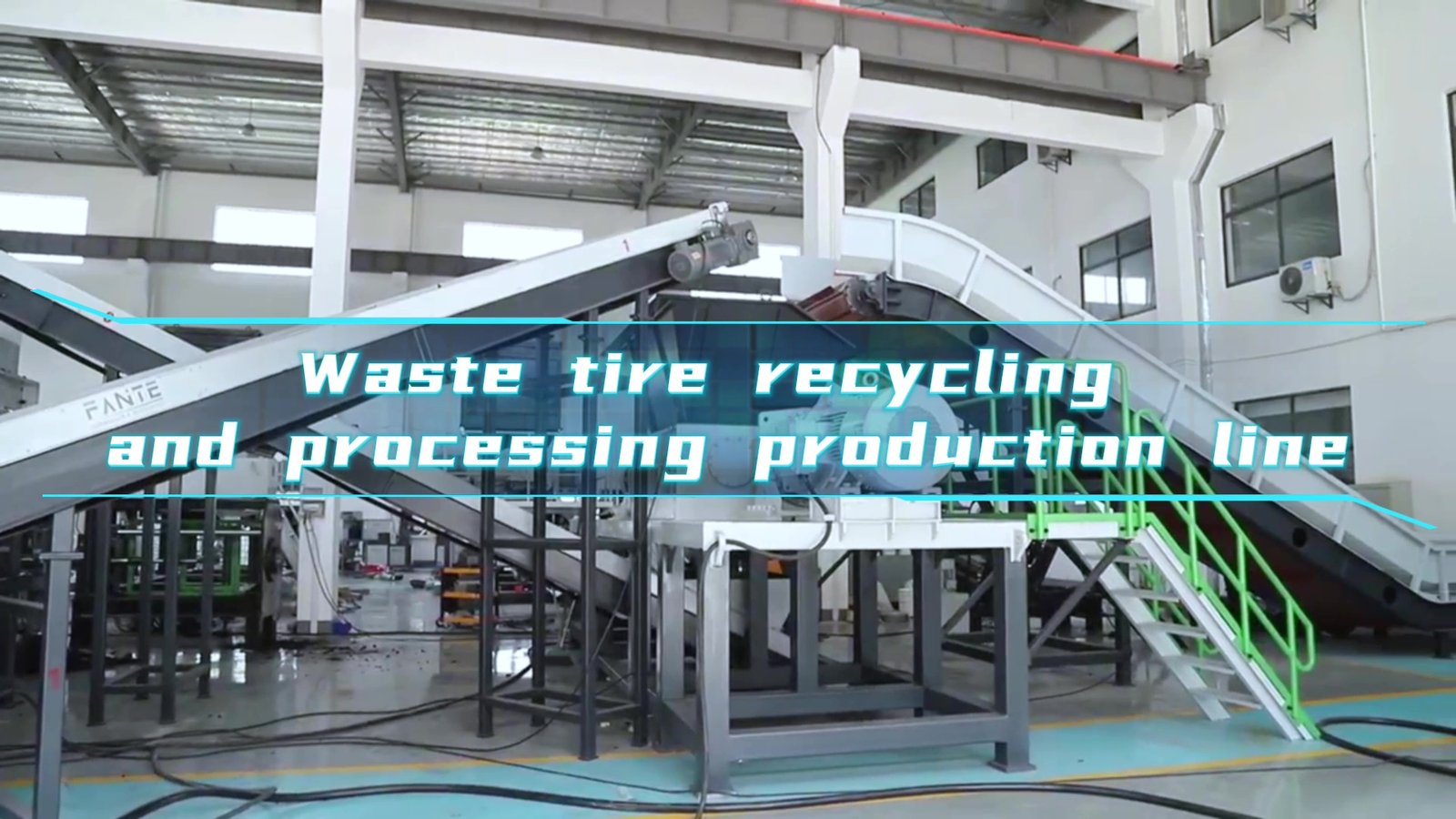
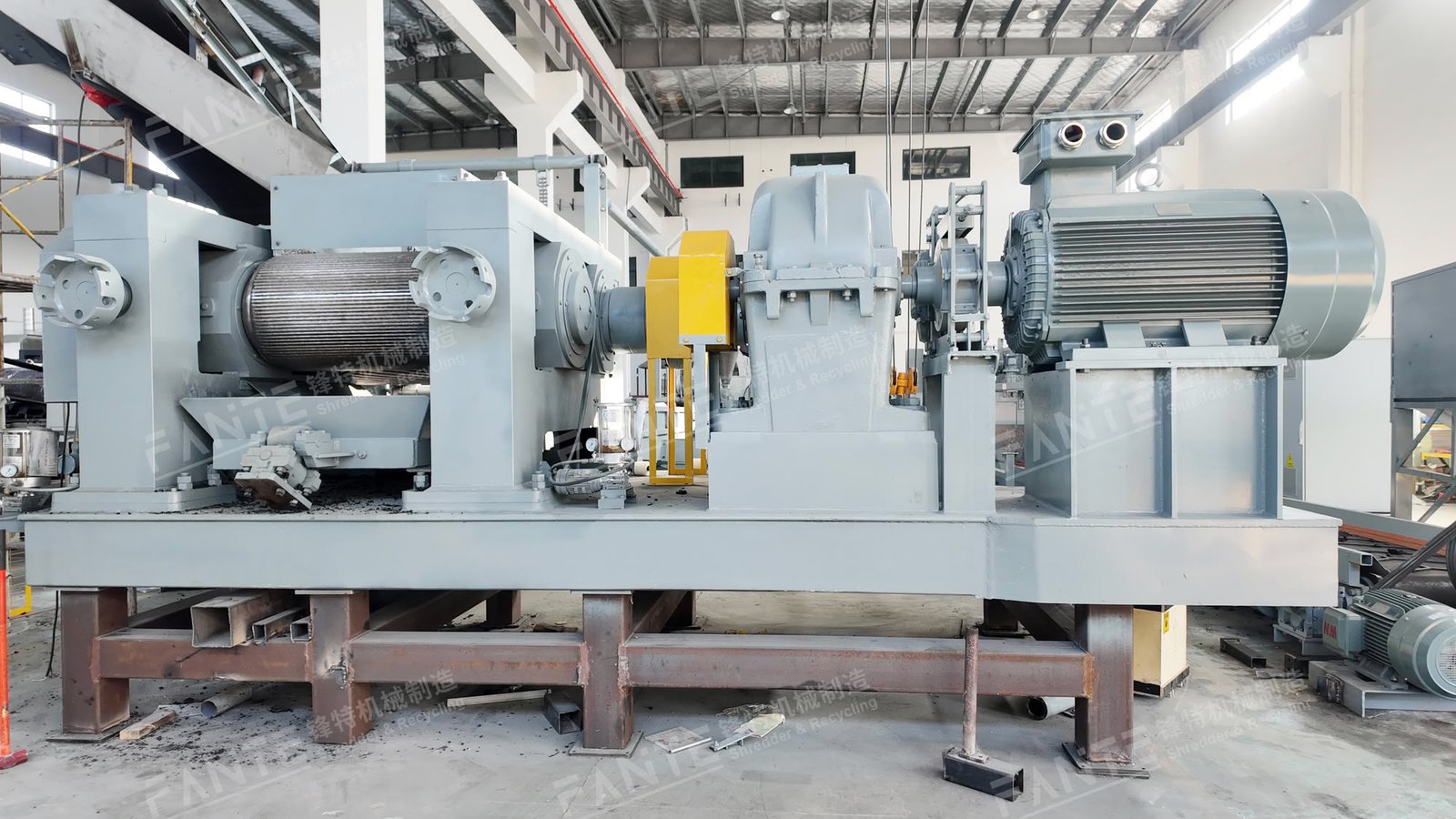
One of the key links in the système de recyclage des piles au lithium is the shredding and separation stage. Through highly engineered shredding machinery, the system can quickly and effectively separate the outer casing of lithium batteries from the internal battery parts, creating good conditions for subsequent material recycling. This step not only ensures efficient extraction of resources, but also greatly reduces the risk of releasing harmful substances.
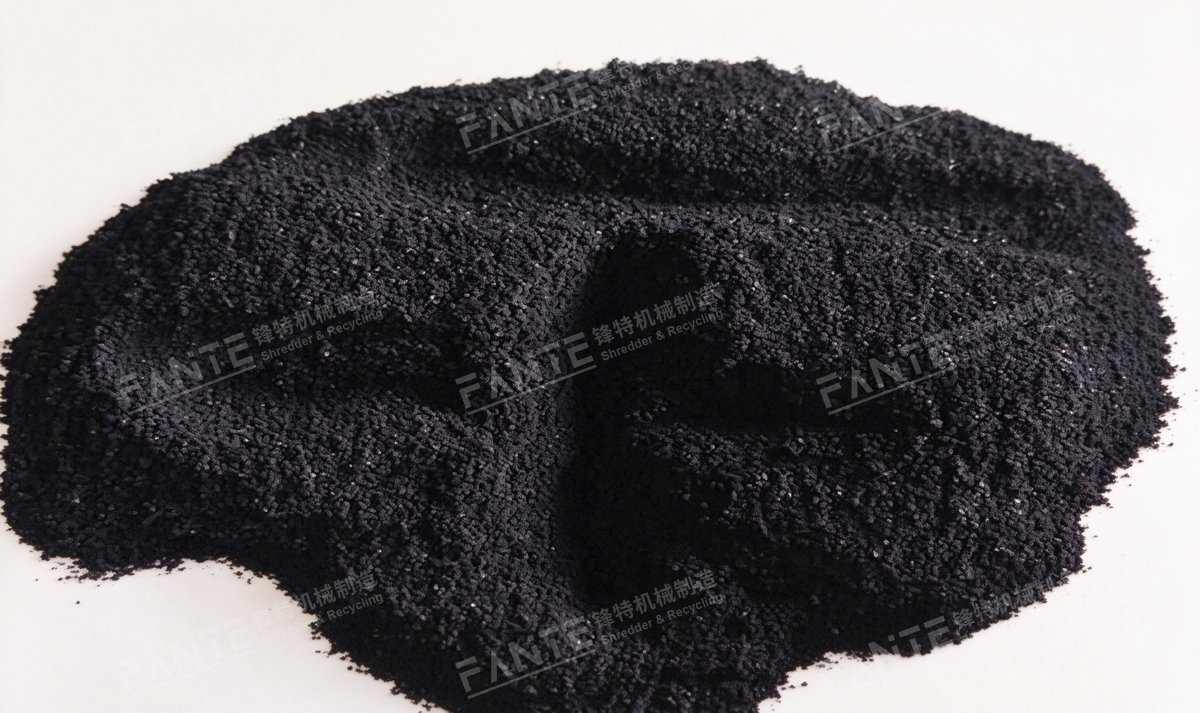
After the separation process, the system uses advanced technologies such as chemical baths, smelting, etc. to extract valuable materials such as lithium, cobalt, and nickel from used batteries in an orderly manner. This precise and efficient process aims to maximize resource recycling and provides valuable raw materials for a new round of battery production.
Through the use of lithium battery recycling systems, we have not only achieved significant environmental results in the management of waste batteries, but also laid a solid foundation for the sustainable use of resources. This is not only a technological breakthrough, but also a commitment to future sustainable development. In this system, waste batteries are no longer a waste resource, but a potential renewable energy source, injecting new vitality into our environment and future life.