






With the rapid advancement of technology, e-waste has become a significant environmental challenge. Disposing of old electronic devices, such as smartphones, computers, and televisions, requires careful handling to avoid harmful environmental impacts. One of the most effective ways to process e-waste is through the use of an e-waste shredder and e-waste recycling machines. In this blog, we’ll explore the importance of these machines in e-waste disposal and why they are a crucial part of sustainable recycling practices.
What is an E-Waste Shredder?
An e-waste shredder is a powerful machine designed to break down discarded electronic devices into smaller pieces. The process begins with large items, such as computers, printers, and televisions, being fed into the shredder. The shredder uses rotating blades to break these items into manageable sizes. This reduces the overall volume of e-waste, making it easier to separate valuable materials like metals, plastics, and glass for recycling.
The shredding process also helps in the safe disposal of toxic substances like mercury, lead, and cadmium, which are commonly found in electronic devices. This helps minimize the risk of environmental contamination.
Why Use an E-Waste Recycling Machine?
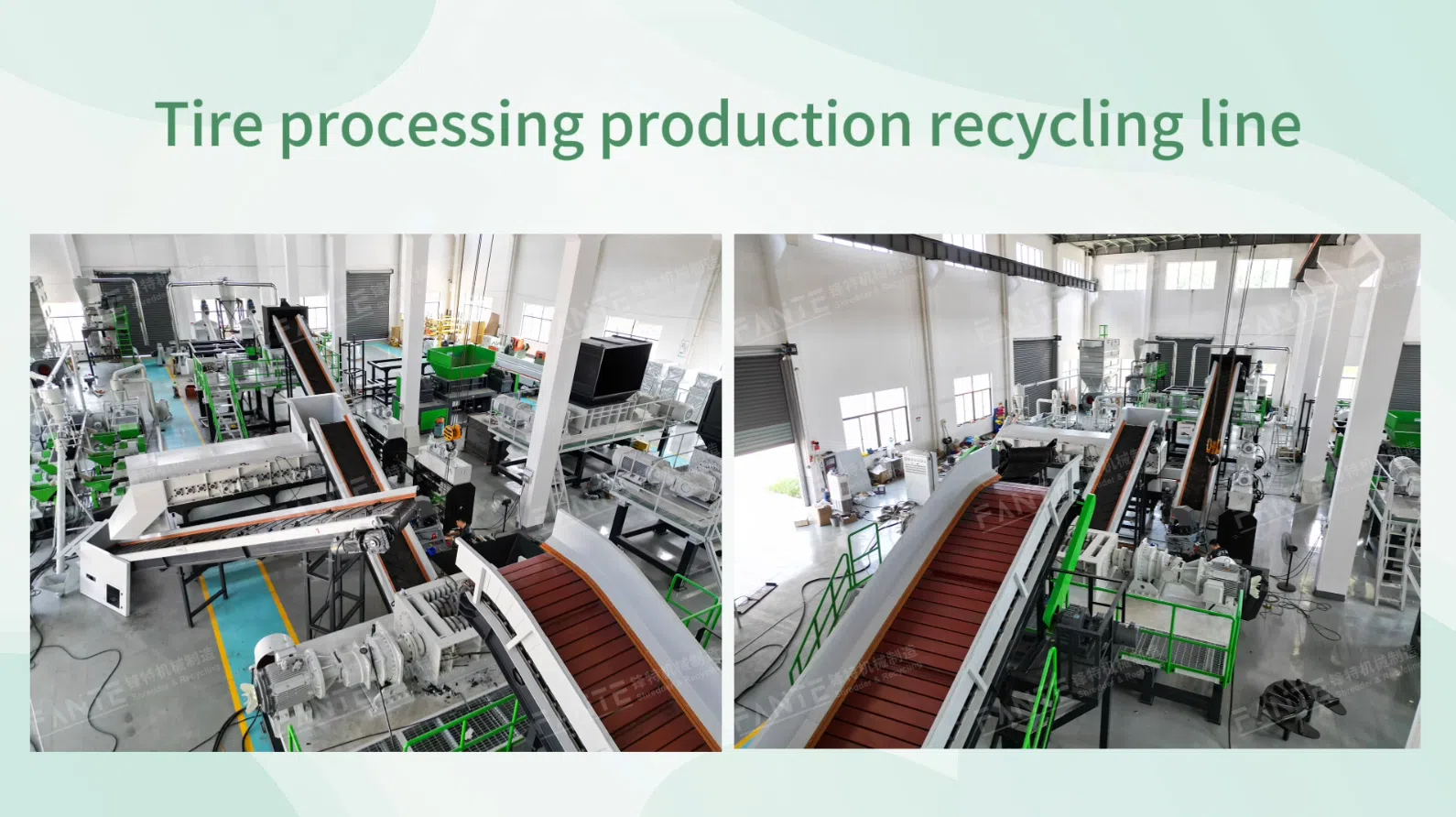
An e-waste recycling machine extracts valuable materials from electronic waste. The machine shreds e-waste first and then applies advanced technologies, including magnetic separation, air classification and vibrating screens to separate materials such as copper, aluminum, steel, and precious metals from non‑recyclable components.
Benefits of E-Waste Recycling Machines:
- Resource Recovery: E-waste contains valuable metals, including gold, silver, and copper. Recycling these materials reduces the need for mining and conserves natural resources.
- Protection de l'environnement: Proper recycling prevents hazardous substances from leaching into the environment and contaminating soil and water.
- Efficacité énergétique: Recycling e-waste saves energy compared to extracting raw materials, contributing to lower overall carbon emissions.
- Regulatory Compliance: E-waste recycling machines help ensure that e-waste disposal adheres to environmental regulations and reduces the potential for harmful waste accumulation.
The E-Waste Recycling Process
- Collection and Sorting: First, e-waste is collected and sorted into categories such as computers, mobile phones, and televisions.
- Shredding: An e-waste shredder breaks down large items into smaller parts, allowing for easier handling and better separation of materials.
- Separation and Recovery: After shredding, the material is processed by an e-waste recycling machine that separates valuable metals, plastics, and other reusable components.
- Proper Disposal: After all recyclable materials are extracted, the remaining non-recyclable components are safely disposed of, ensuring minimal environmental impact.
Why Is E-Waste Recycling Important?
The environmental impact of improper e-waste disposal is significant. Electronics contain hazardous materials that, when left in landfills, can contaminate the soil and groundwater. For instance, heavy metals like lead, mercury, and cadmium can leach into the environment, causing health risks to humans and wildlife.
Using an e-waste shredder and e-waste recycling machine ensures safe and efficient processing of electronic waste. By recovering valuable materials and preventing harmful chemicals from contaminating the environment, these machines play a crucial role in the circular economy and contribute to a sustainable future.
Conclusion
When it comes to e-waste disposal, shredding and recycling are two of the most effective methods. An e-waste shredder and e-waste recycling machine help safely process electronics, remove hazardous materials, and recover valuable resources. If you are looking for efficient and environmentally friendly e-waste disposal solutions, investing in these machines is a step in the right direction.
Have any questions or need advice on e-waste recycling? Contact us today, and let’s work together to make electronic waste management more sustainable!