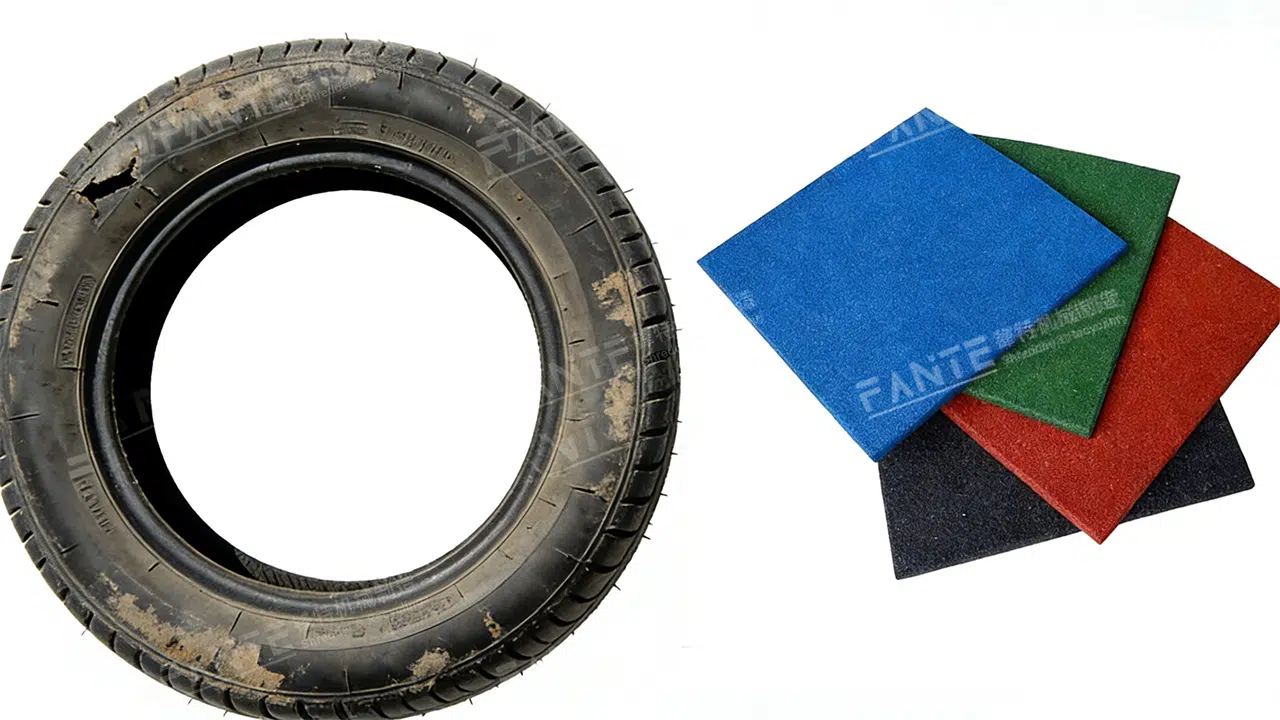







Starting a tire recycling operation is both an environmental responsibility and a commercial opportunity.
With the global growth of vehicle ownership, waste tires continue to increase each year.
This creates strong demand for structured recycling solutions and recycled rubber products.
This article explains how to plan, start, and scale a tire recycling project in a practical and technical way.
Understanding the Tire Recycling Business Model
A tire recycling business converts end-of-life tires into reusable materials.
The value comes from turning waste into marketable products.
The core business model includes four elements:
- Stable tire supply
- Suitable processing technology
- Clear product applications
- Reliable sales channels
A successful project balances technical feasibility and commercial demand.
Ensuring a Stable Supply of Waste Tires
A continuous tire supply is the foundation of any recycling operation.
Without enough feedstock, equipment utilization and profitability will drop.
Common tire sources include:
- Tire dealers and service stations
- Vehicle dismantling yards
- Municipal waste collection systems
- Logistics and transportation companies
Before investing in equipment, confirm long-term supply agreements or collection networks.
Choosing the Right End Products and Applications
Different end products lead to different business strategies.
You should define target products before selecting equipment.
Common recycled tire products include:
TDF (Tire-Derived Fuel)
TDF is widely used in cement kilns and power plants.
It requires controlled tire size, usually rubber chips or blocks.
Rubber Granules
Granules are used for sports surfaces, playgrounds, and molded products.
This application needs secondary grinding and separation systems.
Rubber Powder
Fine rubber powder is used in asphalt modification and rubber manufacturing.
It requires higher investment but delivers higher product value.
Rubber Mats and Molded Products
Some recyclers move further downstream into finished products.
This increases margins but also raises operational complexity.
Equipment Selection and Production Scale
Equipment selection depends on capacity, product type, and budget.
For new investors, starting with small or medium capacity is often safer.
A modular system allows gradual expansion.
You can begin with shredding and chip production, then add grinding later.
Key equipment typically includes:
- Primary tire shredder
- Steel wire separation system
- Secondary granulator or mill
- Dust and environmental control units
This approach reduces initial risk and capital pressure.
Site, Power, and Regulatory Requirements
A suitable site is critical for smooth operation.
The location must support equipment layout, material storage, and truck access.
Key requirements include:
- Sufficient land area for processing and stockpiling
- Stable industrial power supply
- Compliance with local environmental regulations
- Proper business and waste-handling licenses
Early communication with local authorities helps avoid delays.
Sales Channels and Market Access
Recycled tire products must have clear sales outlets.
Without defined buyers, even high-quality output loses value.
Common sales channels include:
- Cement plants for TDF
- Construction and sports facility contractors
- Rubber product manufacturers
- Asphalt and road engineering companies
Long-term contracts provide price stability and cash flow security.
Investment Strategy and Cost Control
Initial investment varies based on scale and automation level.
Starting small allows operators to test the market and optimize processes.
Key cost factors include:
- Equipment purchase
- Site preparation
- Labor and utilities
- Maintenance and consumables
A phased investment plan improves capital efficiency and reduces risk.
Conclusion
Starting a tire recycling business requires careful planning, not blind expansion.
Success depends on feedstock supply, product positioning, and technical reliability.
By selecting suitable equipment, defining clear applications, and securing sales channels, investors can build a sustainable operation.
With proper planning, the tire recycling business can deliver both environmental impact and long-term profitability.