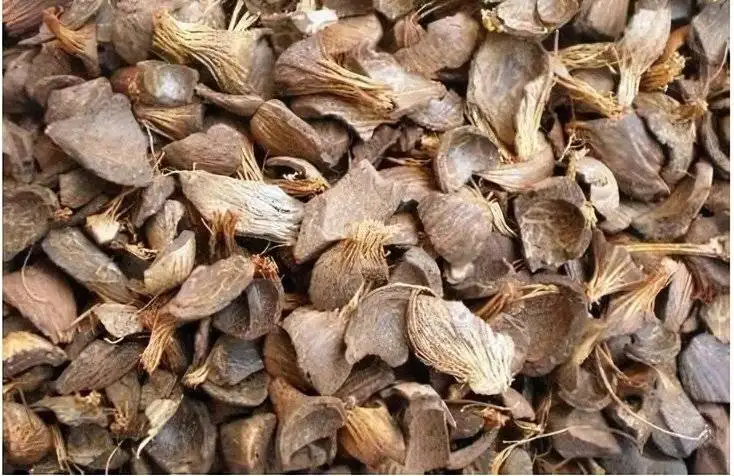
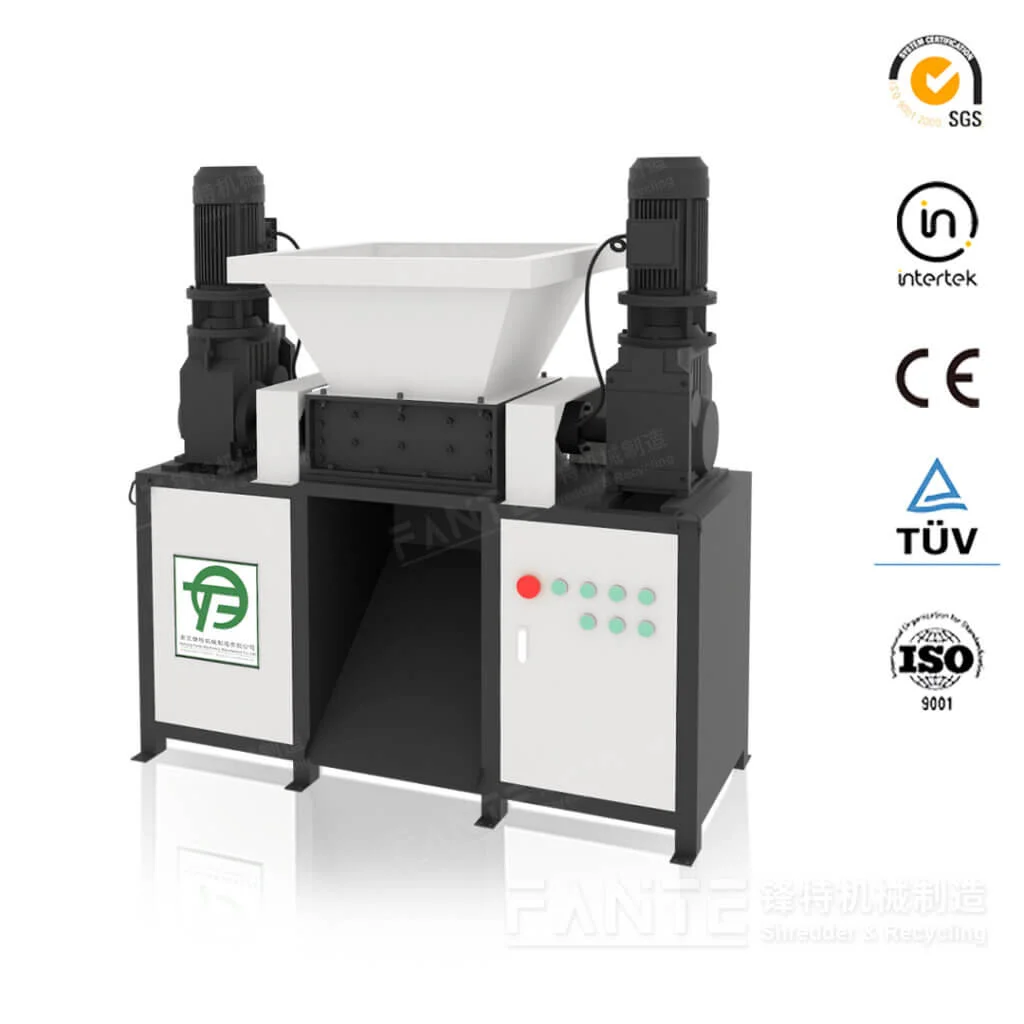
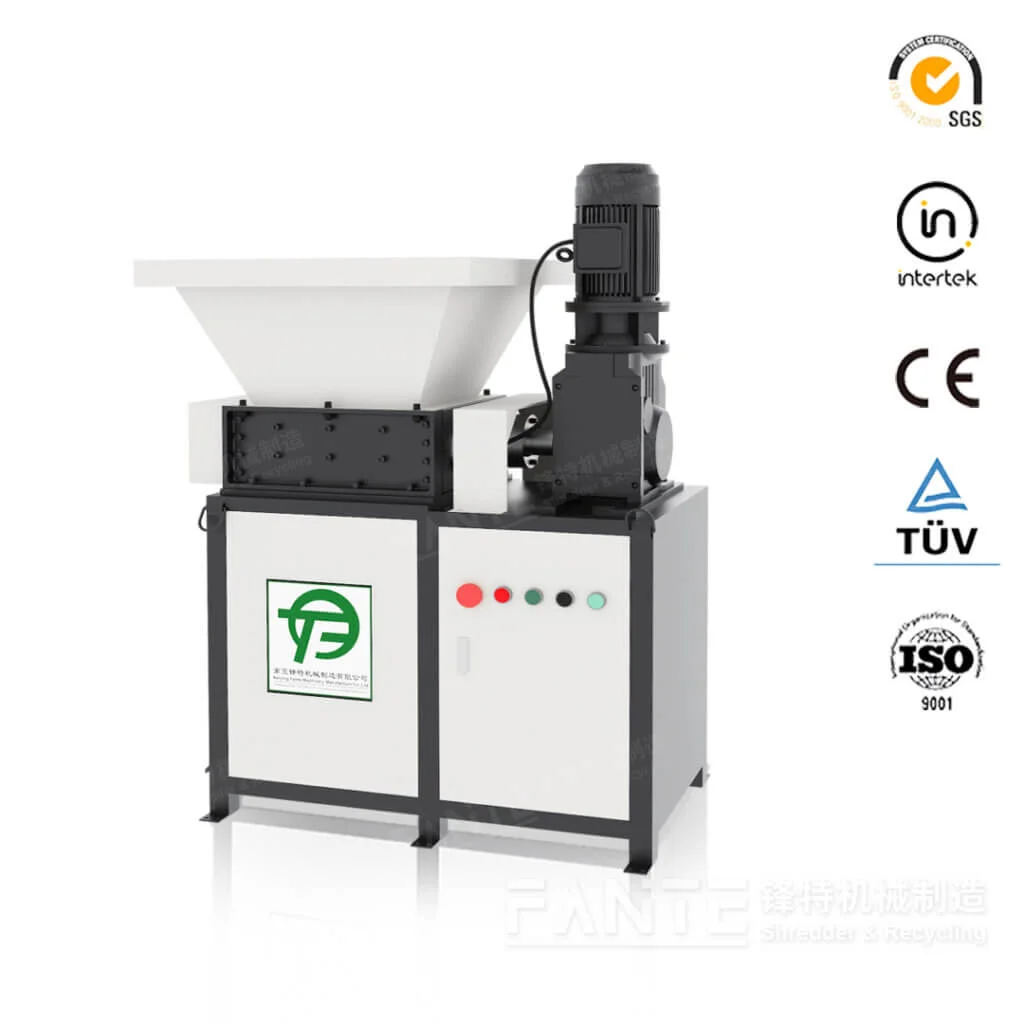
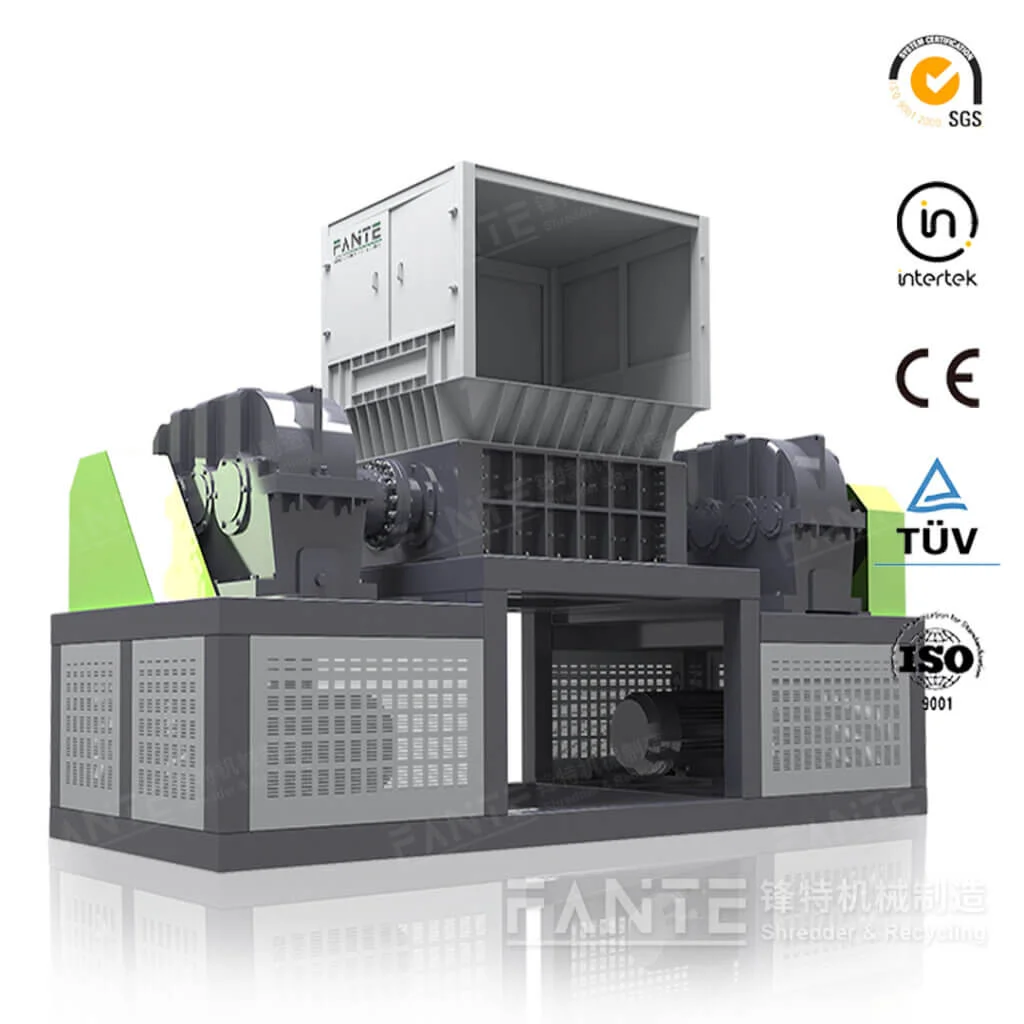
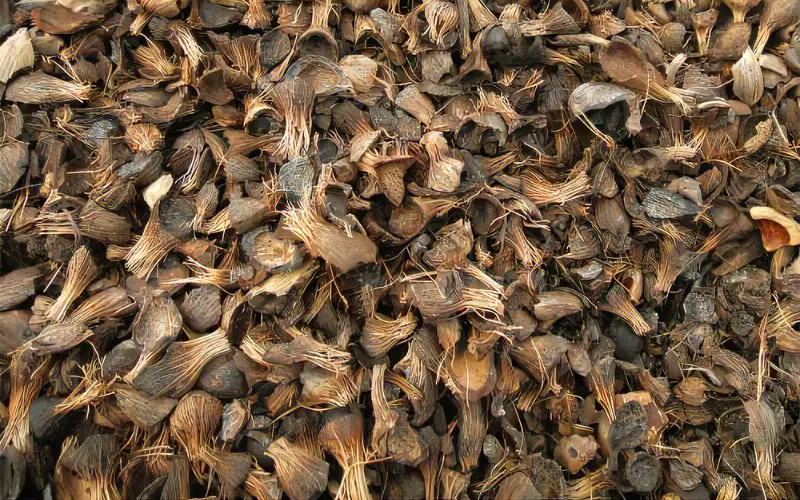
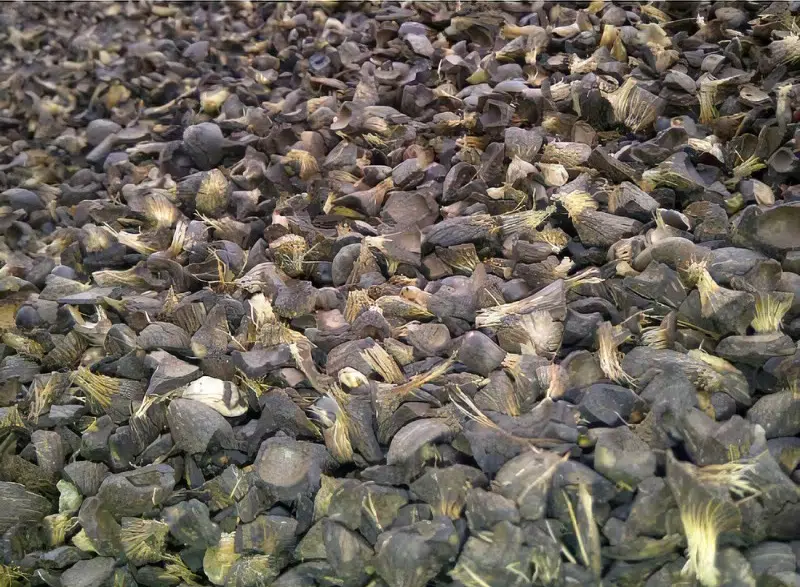
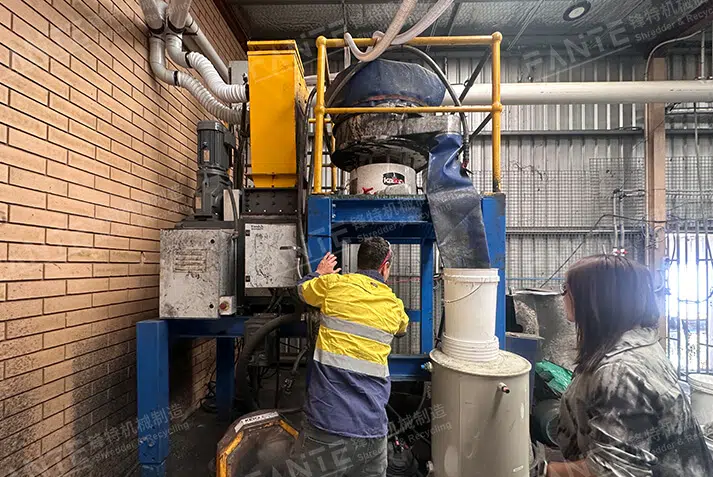
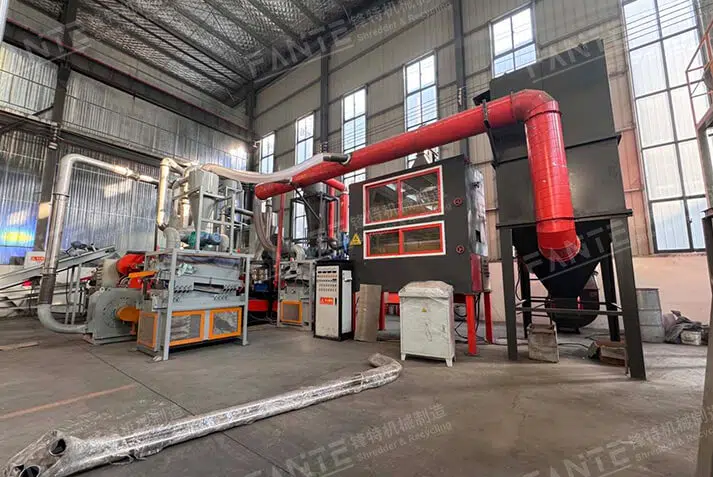
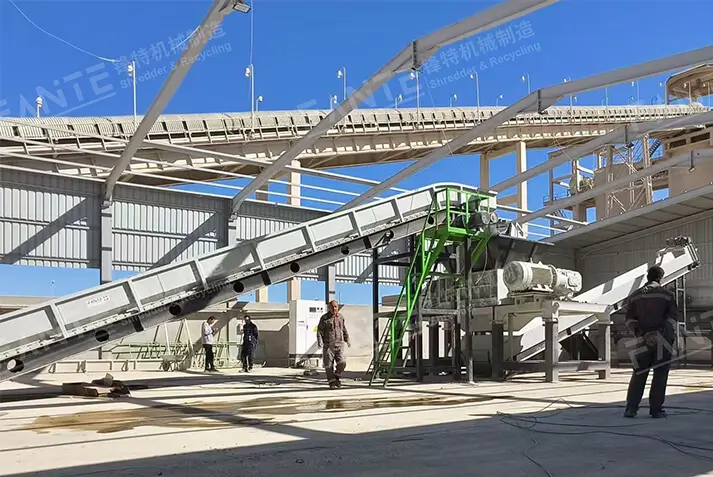


Da die Palmenindustrie weiter wächst, ist die riesige Menge an Palmschalenabfällen ein Grund zur Sorge. Die besondere Struktur und die schwer abbaubare Beschaffenheit von Palmschalen stellen große Herausforderungen für ihre Verarbeitung und Nutzung dar. Um diese wertvolle natürliche Ressource besser nutzen zu können, haben wir einen fortschrittlichen Palmschalenzerkleinerer eingeführt und damit eine neue Ära der Wiederverwendung von Palmschalen eingeleitet. Durch eine effiziente Zerkleinerungstechnologie kann dieses Gerät riesige Palmschalen schnell in leicht zu handhabende Stücke zerschneiden und so ideale Bedingungen für ihre Wiederverwendung schaffen.
Der Palmschalenzerkleinerer reduziert nicht nur effektiv das Volumen der Palmschalen, sondern verwandelt sie auch in Mehrzweckrohstoffe. Die geschredderten Palmschalen können in vielen Bereichen eingesetzt werden, z. B. zur Energiegewinnung aus Biomasse und zur Herstellung von organischem Dünger, wodurch die Nutzung der Ressourcen maximiert wird. Diese Behandlungsmethode löst nicht nur das Problem der Palmschalenverarbeitung, sondern bietet auch eine innovative Lösung für eine nachhaltige Entwicklung und fördert die Aufwertung der gesamten Palmindustrie.
In industrial biomass processing, a high-performance shredder designed for palm shells and related palm waste serves as the primary size-reduction unit that transforms bulky, irregular palm shell material into uniform, manageable fragments suitable for downstream processing. Palm shells are dense lignocellulosic residues from palm oil production that, if left unprocessed, present challenges in handling, transport, and energy conversion. A purpose-built palm shell shredder employs robust alloy steel blades and a heavy-duty rotor assembly engineered to shear and cut the hard shell structure into a controlled particle size, typically in the range of 10–30 mm, depending on rotor configuration and screen selection. This fragmentation reduces the physical size and heterogeneity of the shells, promoting consistent drying, enhanced combustion characteristics, and improved feedstock quality for pelletizing or gasification applications. The shredding stage also facilitates more uniform moisture distribution and reduces the overall load on subsequent equipment such as dryers and pellet mills.
Following the primary shredding operation, the processed palm shell fragments can be directed into secondary crushing or grinding equipment when finer particle sizes are required for high-density pellet production or efficient bioenergy conversion. In such configurations, the shredder’s output material is conveyed to a hammer mill or fiber crusher that further reduces particle dimensions to approximately 4–10 mm through high-speed impact and screening. This two-stage size-reduction process—initial coarse shredding followed by controlled fine grinding—ensures that the palm shell biomass meets strict feedstock specifications for uniformity, density, and mechanical integrity. The combined shredding and crushing workflow enhances plant throughput, optimizes energy consumption per unit of processed biomass, and supports diverse end-uses such as pellet fuel manufacturing, composting blends, and biomass-based energy systems.