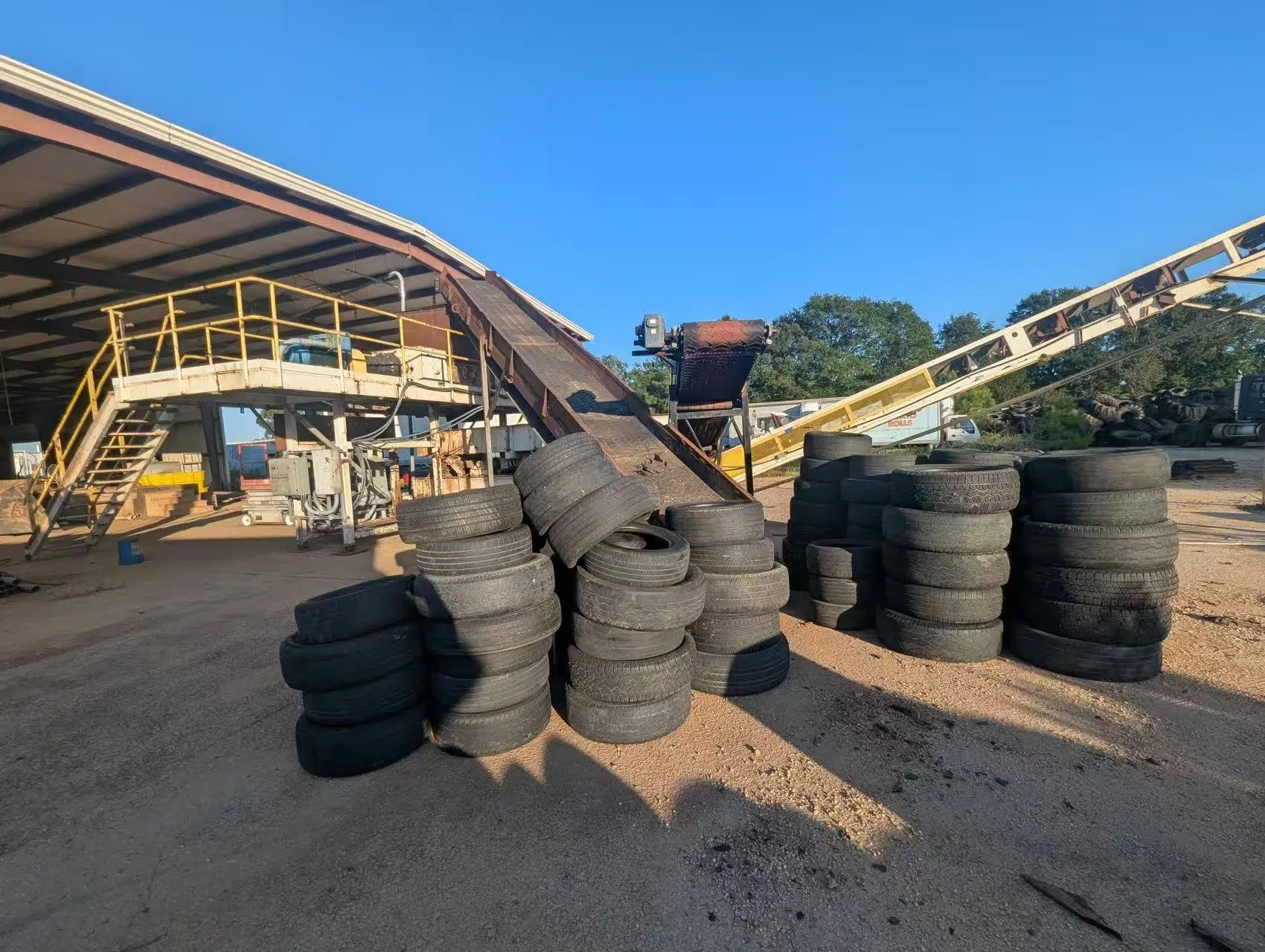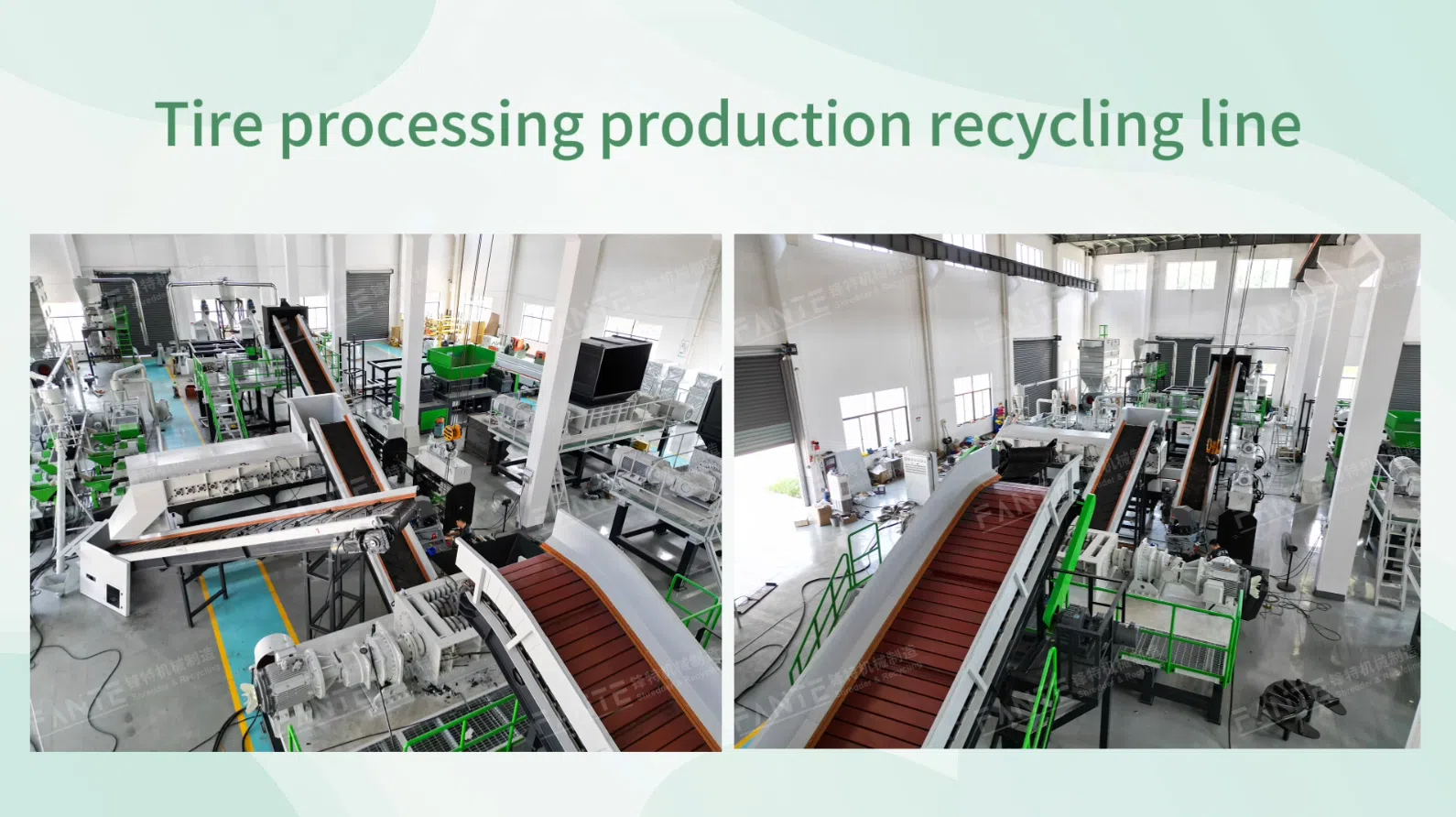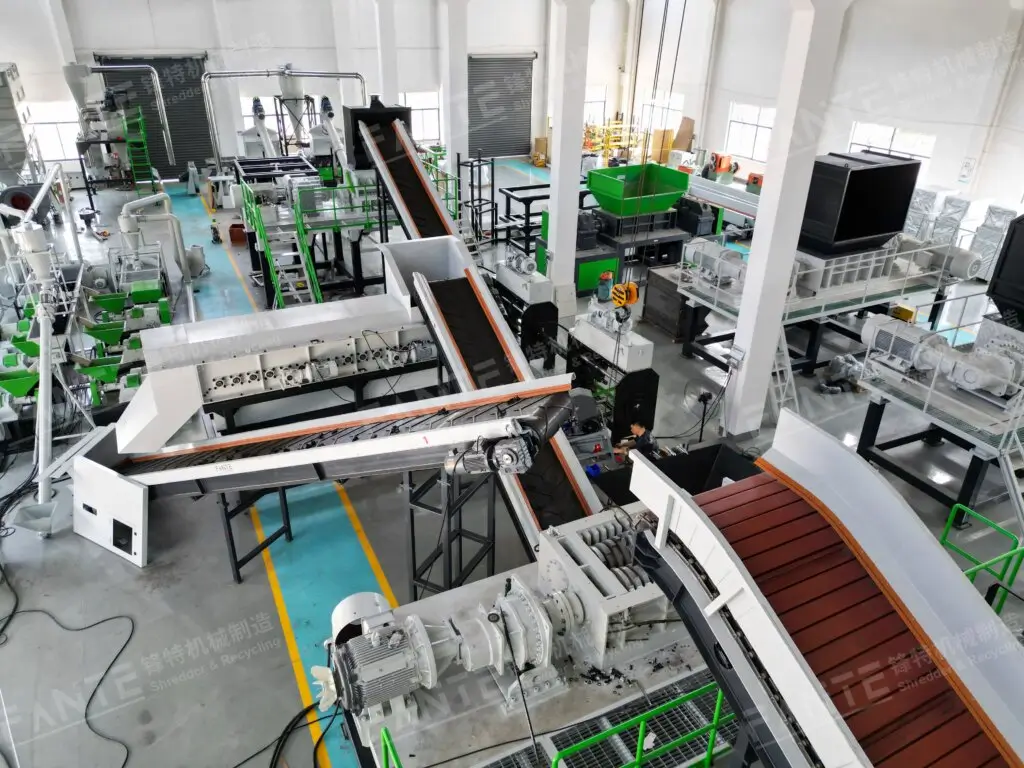







People often see discarded tires as waste, but in reality, they’re a valuable resource.Modern recycling technology can transform old tires into durable, safe, high-performance rubber mats that we use across many industries.
This process not only reduces environmental pressure but also creates strong economic value.
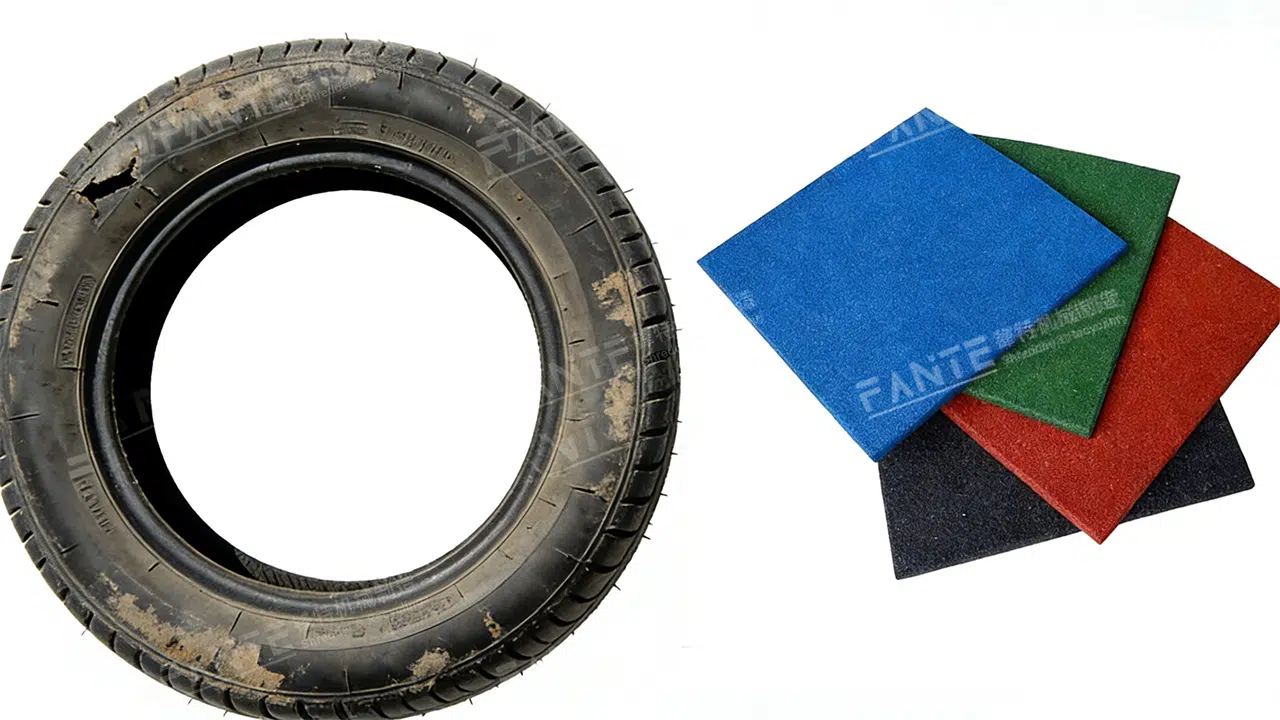
From Waste Tires to Reusable Materials
Old tires are collected from vehicles, transport fleets, and recycling centers.
After inspection, they enter a standardized recycling process designed to recover rubber efficiently.
The core goal is simple: separate rubber from steel and fiber while preserving material quality.
This is where a rubber recycling machine plays a critical role by breaking tires into manageable sizes for further processing.
Once shredded and cleaned, the rubber becomes a reliable raw material for downstream applications.
Processing Rubber into Mat-Grade Granules
After primary size reduction, rubber is further processed into uniform granules.
These granules must meet strict size and purity requirements to ensure final product performance.
Advanced screening and separation systems remove steel wire and textile residues.
A well-configured rubber recycling machine ensures consistent granule output, which is essential for producing flat, strong rubber mats.
Uniform granules lead to better bonding, improved elasticity, and longer service life in finished mats.
Manufacturing High-Quality Rubber Mats
Manufacturers mix rubber granules with binders and pigments before molding. They then press the mixture under controlled temperature and pressure to form mats.
These rubber mats are widely used in:
- Gym and fitness flooring
- Playgrounds and sports courts
- Industrial anti-slip surfaces
- Livestock flooring and workshops
The performance of the final product depends heavily on the stability of upstream recycling.
A reliable rubber recycling machine helps maintain consistent material properties throughout production.
Environmental and Economic Benefits
Recycling tires into rubber mats delivers clear environmental advantages.
It reduces landfill waste, lowers fire risks, and cuts carbon emissions linked to raw rubber production.
From a business perspective, rubber mats have steady demand and diversified markets.
They offer recyclers a value-added product instead of low-margin raw materials.
This combination of sustainability and profitability makes tire-based rubber mats an attractive recycling outcome.
Conclusion
Turning old tires into high-quality rubber mats is a proven and scalable recycling pathway.
With proper processing, waste tires become safe, durable products used worldwide.
As recycling technology continues to advance, tire-derived rubber mats will play an even greater role in sustainable material use and circular economy development.