





Industrial rubber scrap is often treated as a disposal problem. However, many rubber products still contain valuable material that can be recovered and reused.
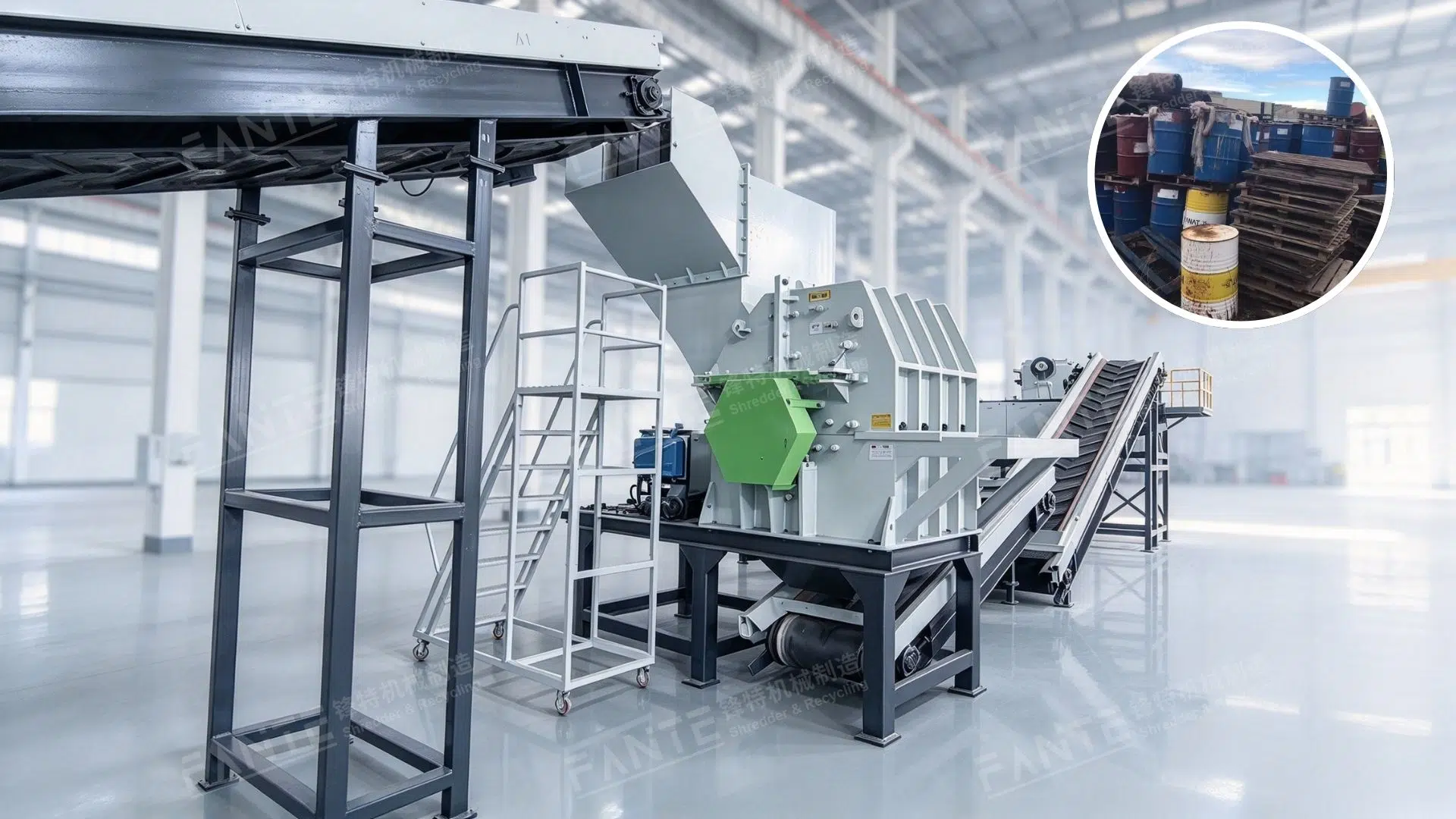
Through mechanical processing, large rubber waste can be reduced into different sizes. Depending on the feedstock and processing system, the main products include rubber block, crumb rubber, and rubber powder.
This approach supports resource recovery while creating new opportunities for manufacturers, recyclers, and waste management companies.
Why Recycle Industrial Rubber Scrap?
Industrial rubber waste can come from tires, rubber sheets, belts, hoses, molded products, and other manufacturing processes.
Some rubber scrap is relatively clean and easy to process. Other materials may contain steel, textile, dirt, or other contaminants.
Proper processing can help companies:
- Reduce waste disposal costs
- Recover reusable rubber
- Lower demand for virgin raw materials
- Create saleable recycled products
- Support circular economy objectives
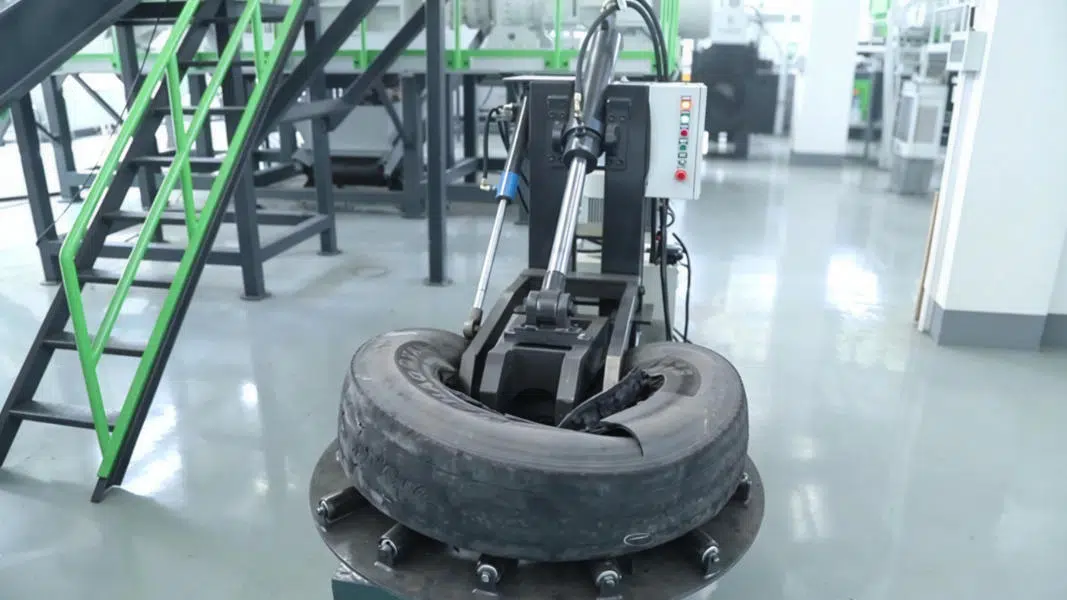
For waste tires in particular, mechanical recycling can recover rubber, steel, and textile components through shredding, grinding, and separation.
What Products Can Be Made From Rubber Scrap?
The final product depends mainly on the feedstock, equipment configuration, target particle size, and required purity.
1. Rubber Block
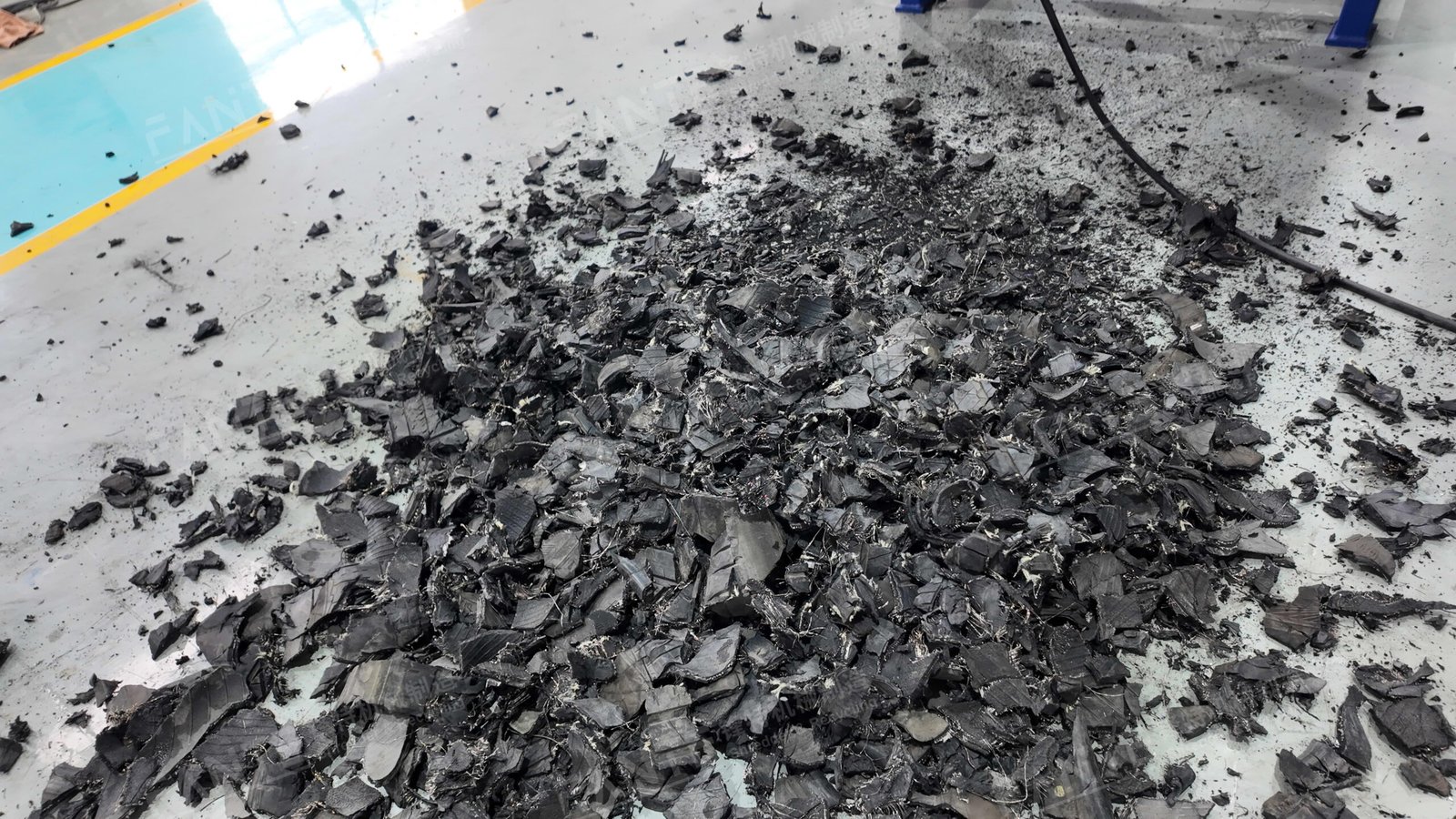
Rubber blocks are produced through the initial size-reduction stage.
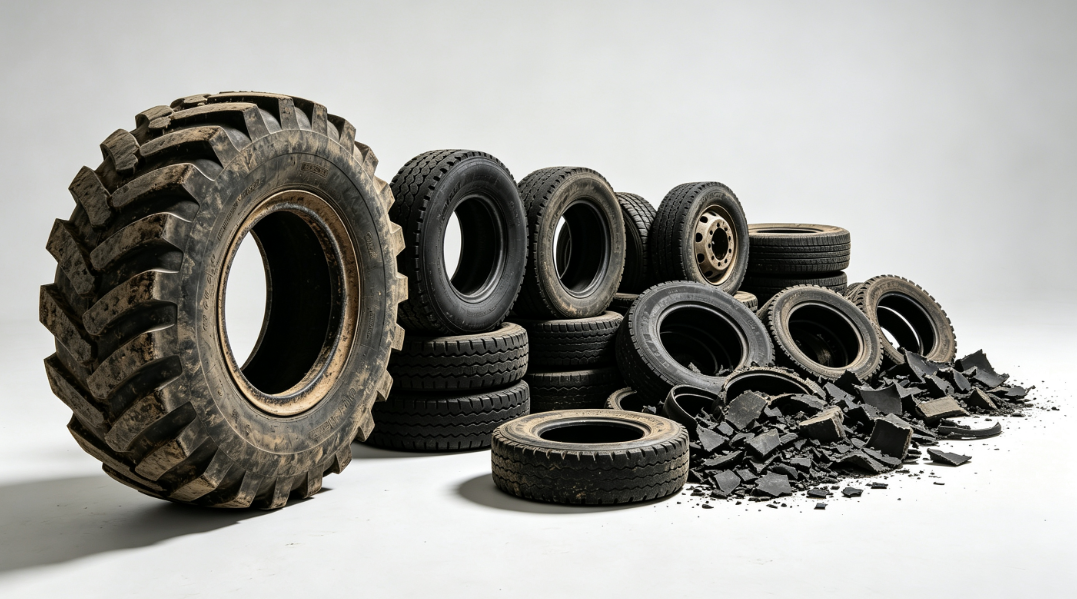
Large rubber waste or end-of-life tires are processed into relatively coarse pieces. For tire materials, blocks around several tens of millimeters can be used as an intermediate material or for applications such as tire-derived fuel.
2. Crumb Rubber
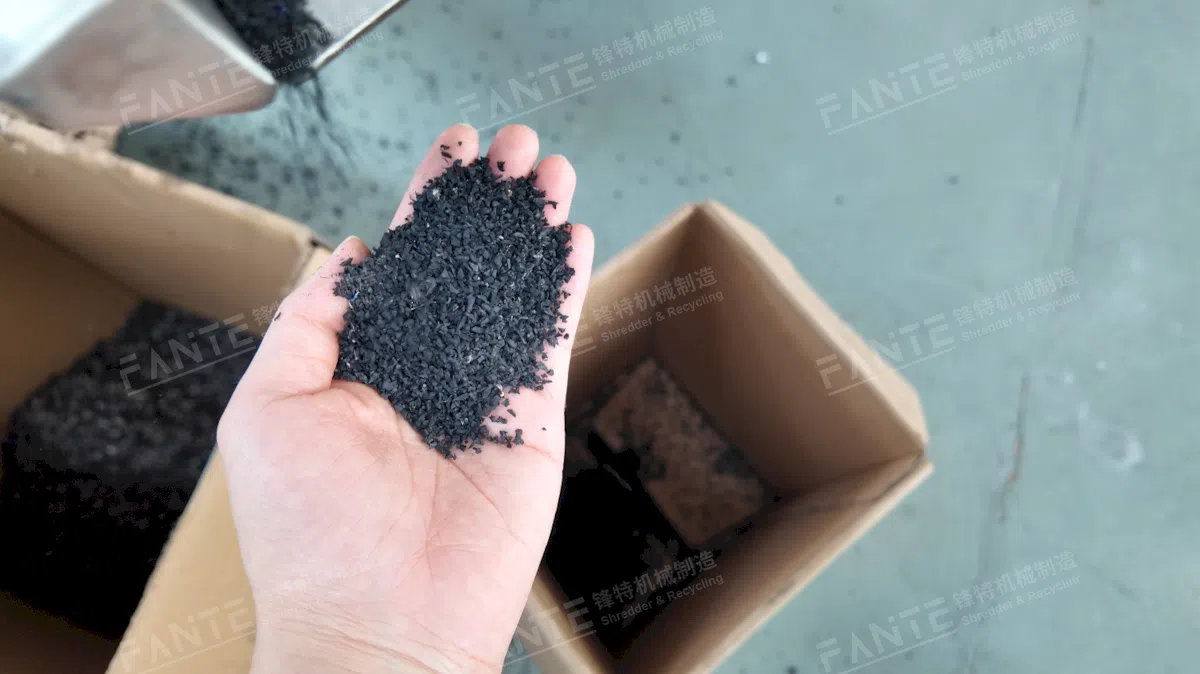
Crumb rubber is produced by further reducing and cleaning rubber chips.
For waste tires, magnetic separation removes liberated steel. Air separation and screening can then remove textile fibers and control particle size.
Crumb rubber can be produced in different particle sizes. The required specification depends on the intended application.
According to industry references, recycled crumb rubber can be used in products such as mats, playground surfaces, sports surfaces, traffic equipment, flooring, and rubber-modified asphalt.
For more information, see Produce High-quality Rubber Crumb From Waste Tires
3. Rubber Powder
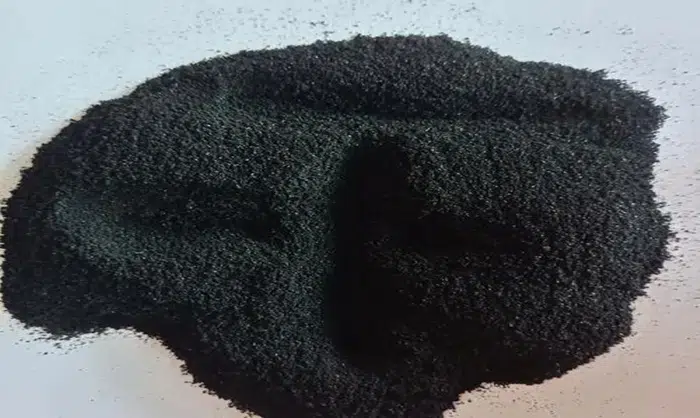
Rubber powder is produced through additional fine grinding.
Compared with chips and conventional crumb rubber, powder has a much smaller particle size and requires more intensive processing.
Turn Industrial Rubber Waste Into Valuable Resources
Industrial rubber scrap does not have to end its life as a disposal burden.
With the right processing technology, it can become rubber block, crumb rubber, or rubber powder. These products can then enter markets including construction, asphalt, sports surfaces, molded products, and other industrial applications.
For companies planning tire rubber recycling, the key is to match the processing line with the desired product and local market.
Our industry-leading rubber recycling solutions are designed around different feedstock types, production capacities, particle sizes, and purity requirements.
If your goal is to build a scalable rubber recycling operation, our industry-leading rubber recycling solutions can help you develop a practical equipment configuration from shredding and separation to final screening.