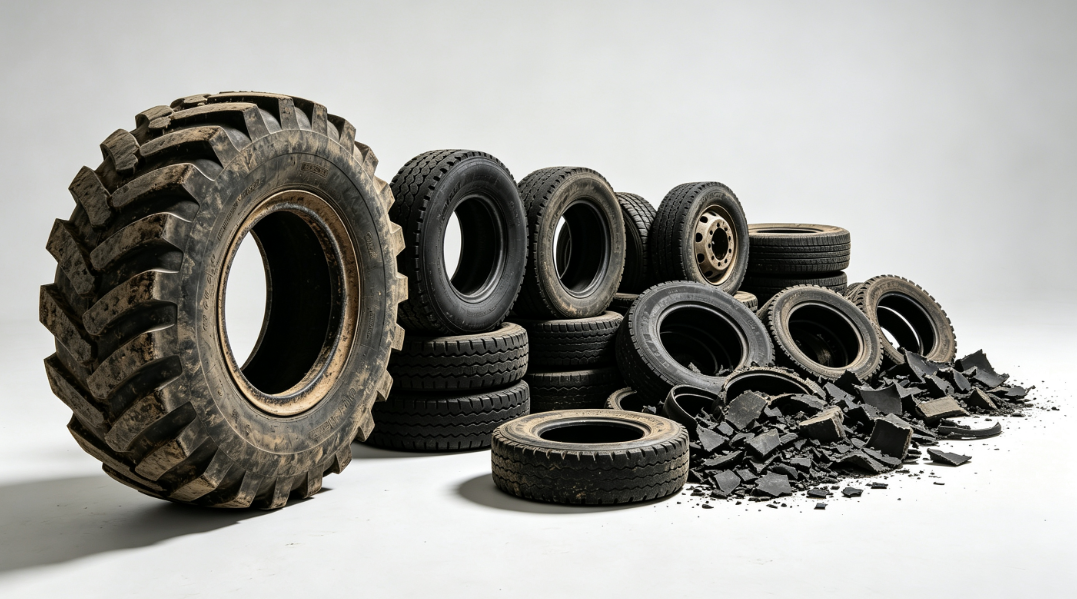







The global demand for recycled rubber continues to grow as industries seek sustainable materials and cost-effective alternatives to virgin rubber. High-quality rubber crumb has become an important raw material for sports surfaces, rubber mats, modified asphalt, playground flooring, and industrial products.
However, producing premium rubber crumb requires more than simply shredding waste tires. The quality of the final product depends on proper processing technology, efficient separation systems, and strict quality control throughout the recycling process.
This article explains the complete process of transforming waste tires into high-quality rubber crumb and highlights the key factors that influence product quality.
What Is Rubber Crumb?
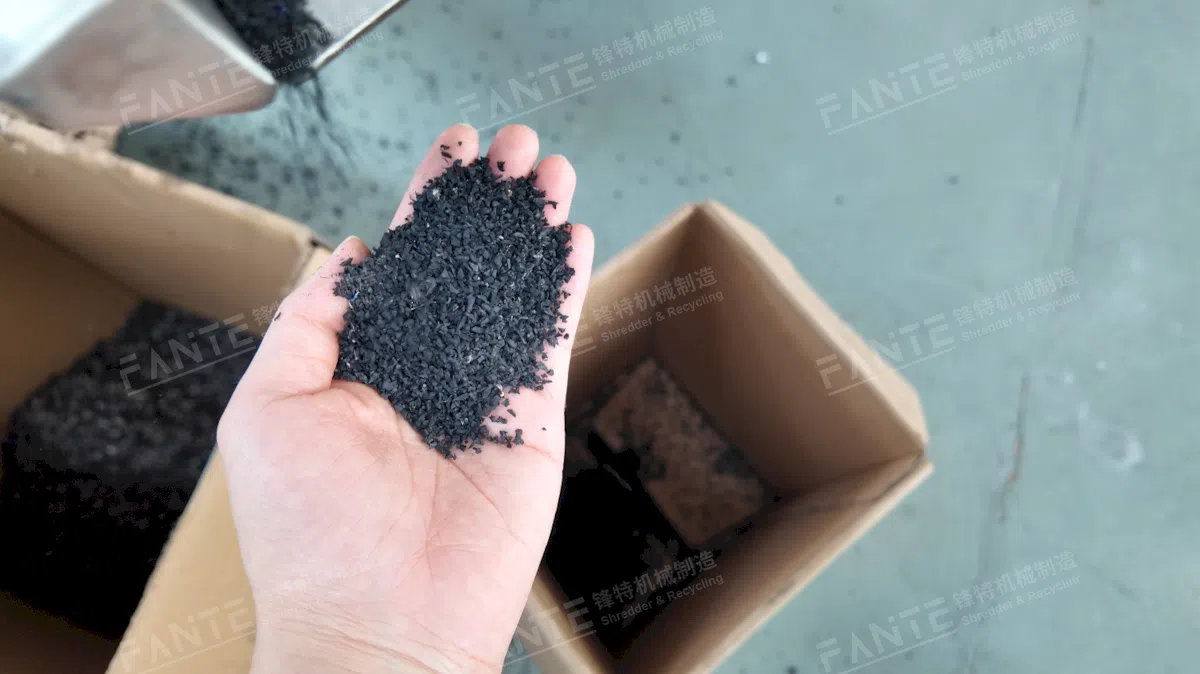
Rubber crumb refers to granulated rubber particles produced from end-of-life tires after removing steel wire, textile fiber, and other contaminants.
Depending on the application, rubber crumb can be produced in various sizes, including:
- 1–3 mm rubber crumb
- 1–5 mm rubber crumb
- 5–10 mm rubber granules
- Fine rubber powder below 1 mm
The purity, consistency, and particle size of the material directly affect its market value and downstream applications.
Why Is High-Quality Rubber Crumb Important?
Not all recycled rubber products are equal.
Manufacturers and end users increasingly demand rubber crumb with:
- Low steel content
- Minimal fiber contamination
- Uniform particle size
- Consistent quality
- High purity levels
Higher-quality products command better market prices and can be used in more demanding applications such as athletic surfaces, rubber tiles, and engineered rubber products.
Step 1: Collecting and Preparing Waste Tires
The process begins with collecting waste tires from various sources, including:
- Tire dealers
- Vehicle service centers
- Fleet operators
- Recycling facilities
- Municipal collection programs
Before processing, oversized materials and non-tire contaminants should be removed to ensure smooth equipment operation.
Proper material preparation improves productivity and reduces wear on downstream equipment.
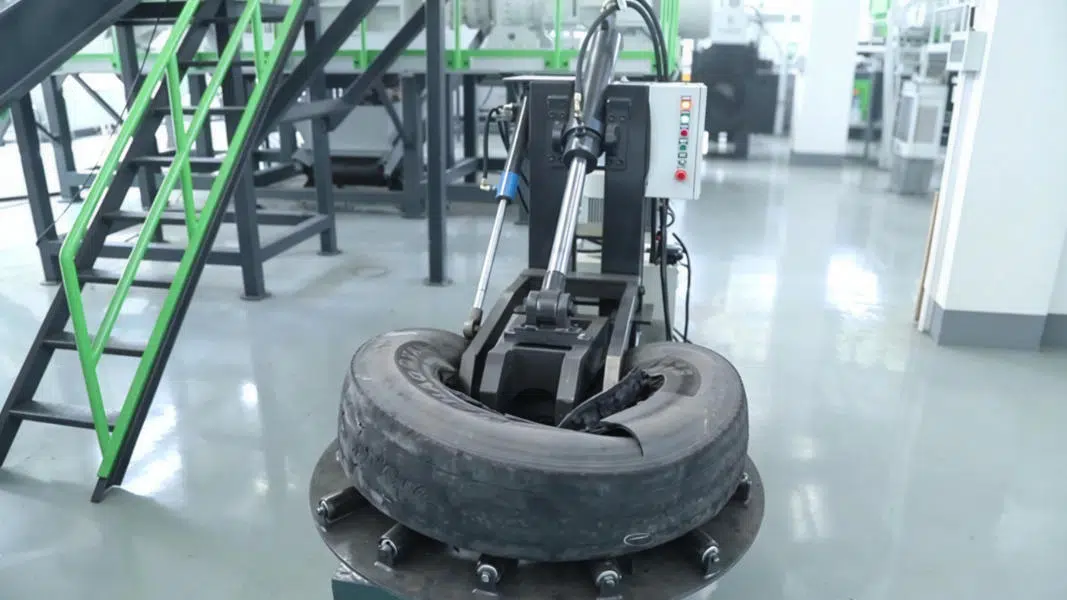
Step 2: Primary Tire Shredding
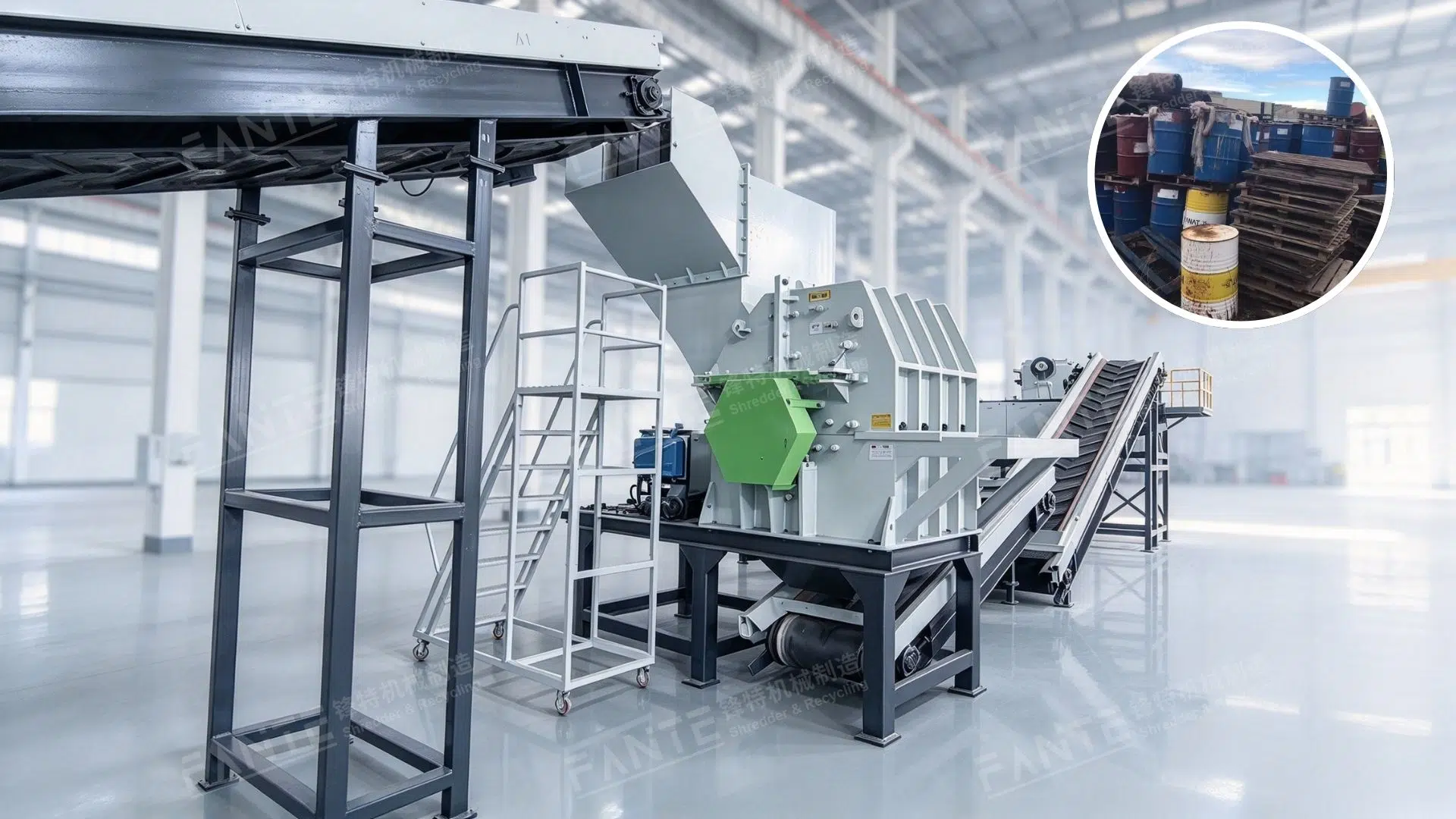
The first major processing stage is tire shredding.
Whole tires are reduced into smaller rubber chips, typically ranging from 50 mm to 150 mm.
This step serves several important functions:
- Reduces tire volume
- Improves material handling
- Prepares tires for further processing
- Increases equipment efficiency
A robust shredding system ensures stable output and consistent feed material for subsequent stages.
Step 3: Steel Wire Separation
Steel wire represents a significant portion of tire construction.
After shredding, specialized equipment separates steel from the rubber material.
Effective steel removal provides several benefits:
Improved Product Purity
Residual steel contamination lowers product quality and limits market applications.
Higher Equipment Efficiency
Removing steel protects downstream machinery from excessive wear.
Additional Revenue
Recovered steel can be sold as scrap metal, creating an additional income stream.
High-quality rubber crumb requires efficient steel liberation and recovery throughout the production process.
Step 4: Fine Crushing and Granulation
Once most steel has been removed, the rubber material enters the granulation stage.
A tire crumb machine reduces rubber chips into smaller and more uniform particles.
The granulation process determines:
- Final particle size
- Product consistency
- Production efficiency
- Material quality
Different screen sizes can be used to achieve specific product specifications based on customer requirements.
Step 5: Fiber Removal
Waste tires contain textile fibers that must be removed before the material reaches final quality standards.
Advanced fiber separation systems use airflow and vibration technologies to extract lightweight contaminants from the rubber stream.
This step is critical because excessive fiber content can negatively impact:
- Product appearance
- Mechanical properties
- Market value
- Customer acceptance
The cleaner the material, the higher the value of the finished rubber crumb.
Step 6: Screening and Quality Control
After granulation and separation, the material passes through screening systems.
The purpose of screening is to:
- Classify particles by size
- Remove oversized material
- Improve product uniformity
Oversized particles are typically returned to the system for reprocessing.
A properly configured tire crumb machine combined with precision screening ensures consistent product quality across every batch.
Key Factors Affecting Rubber Crumb Quality
Several factors determine whether a recycling facility can produce premium rubber crumb.
Equipment Quality
Modern equipment delivers better particle control and higher separation efficiency.
Blade Condition
Worn blades reduce cutting performance and increase energy consumption.
Separation Efficiency
Effective removal of steel and fiber directly influences product purity.
Material Consistency
Stable feedstock improves overall processing performance.
Maintenance Practices
Regular maintenance minimizes downtime and helps maintain product quality.
Facilities that focus on these factors typically achieve higher production efficiency and better market competitiveness.
Choosing the Right Tire Recycling Solution
When investing in tire recycling equipment, it is important to select a system that matches production goals and market requirements.
Key considerations include:
- Мощность обработки
- Desired particle size
- Product purity requirements
- Energy consumption
- Future expansion plans
A professionally designed recycling line provides long-term operational stability and higher return on investment.
The right tire crumb machine can significantly improve production efficiency while ensuring consistent output quality.
Заключение
Producing high-quality rubber crumb from waste tires requires a complete recycling process, including shredding, steel separation, granulation, fiber removal, and screening.
As demand for recycled rubber continues to grow, investing in advanced processing technology becomes increasingly important. By focusing on product purity, equipment performance, and quality control, recycling companies can create valuable products from end-of-life tires while supporting sustainable resource recovery and environmental protection.