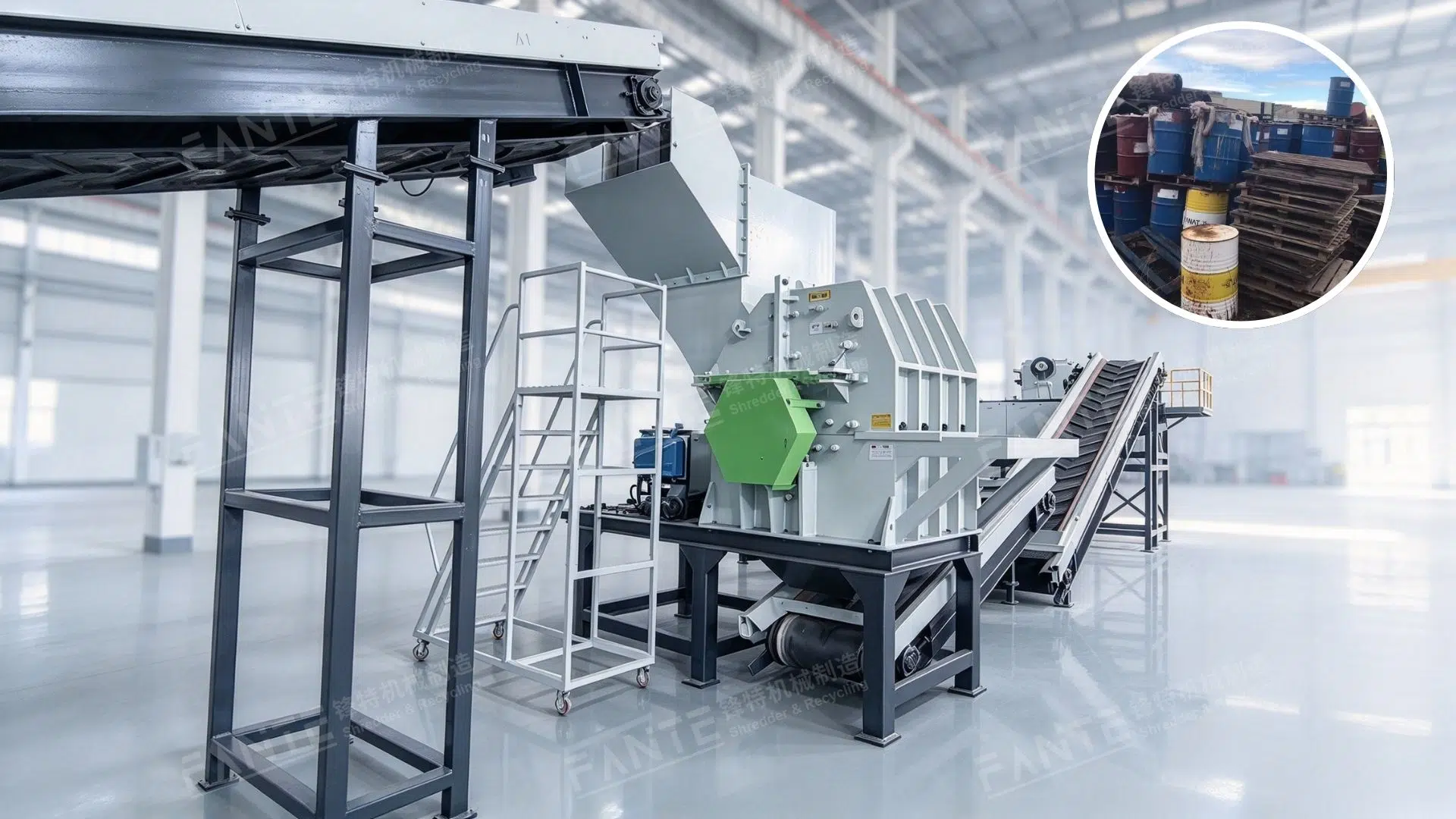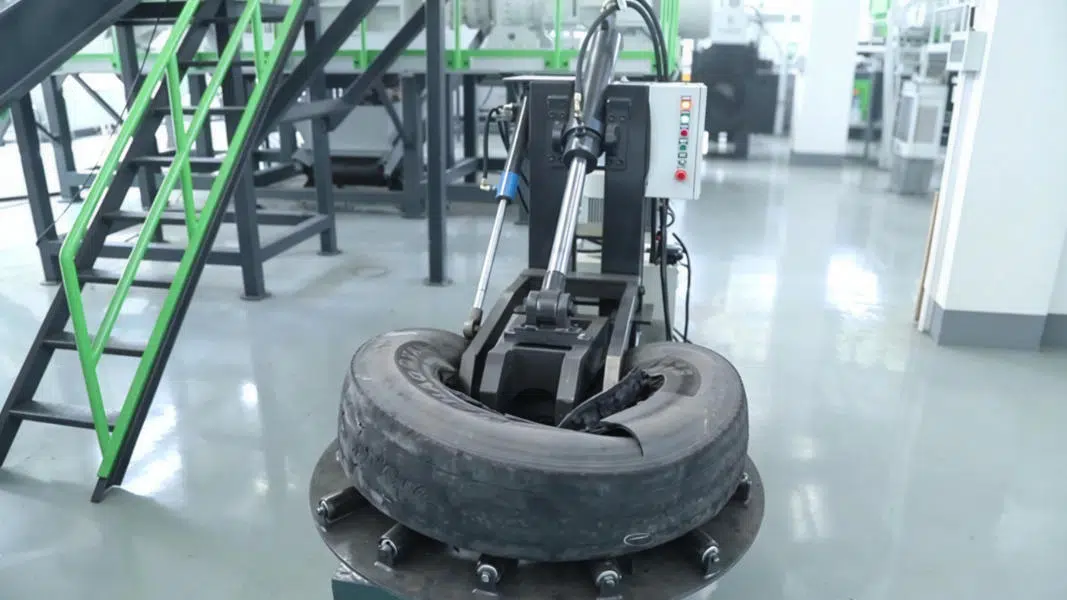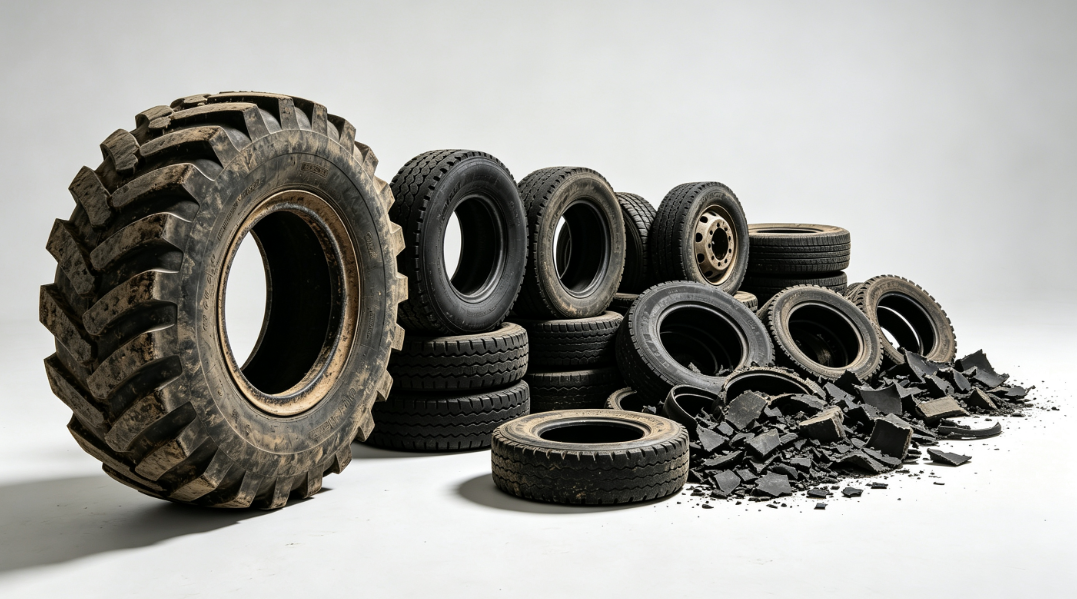







Tire recycling has become one of the most stable and profitable green industries worldwide. Every year, billions of waste tires end up in landfills, causing “black pollution” and huge waste of recyclable resources. For recycling plant owners and investors, the core of profitable tire recycling is not simply processing more waste tires, but maximizing resource utilization and cutting unnecessary operating costs. A high-performance tyre shredding machine is the core equipment that determines the overall profit margin of the entire production line.
Many recycling factories face low profits even with sufficient raw material supplies. The main reasons include unqualified shredded material purity, high energy consumption, frequent equipment failures, and low resource recovery rates. Optimizing production efficiency and output quality through a professional tyre shredding machine is the most direct and effective way to boost tire recycling profits.
1. Reduce Disposal Costs and Turn Waste Into Revenue
In most regions, enterprises need to pay expensive landfill and waste disposal fees for scrapped tires, which directly erodes operating profits. Investing in a reliable tyre shredding machine completely changes this cost model. Instead of spending money to dispose of waste tires, factories can process scrap tires into marketable rubber products on-site.
High-quality double-shaft tyre shredding machines can process whole car tires, truck tires, and engineering tires without pre-cutting. It eliminates manual pre-processing costs and avoids raw material waste. Professional shredding turns waste tires into standard tire chips, rubber granules and separated steel wires and transforms waste disposal costs into steady sales income.
2. Maximize Multi-Resource Recovery Value
A key reason for low profit in traditional tire recycling is single product output. Complete waste tires contain three valuable recyclable resources: rubber, steel wire, and fiber. Ordinary shredding equipment often causes incomplete separation, mixing steel wires and fibers in rubber materials, which seriously reduces product quality and market prices.
A high-precision tyre shredding machine matched with a self-discharging magnetic separator achieves efficient layered shredding and precise separation. The 40Cr quenched and tempered spacer and high-hardness blades ensure uniform shredding particle size and thorough material dissociation. Recyclers sell separated high-purity steel wire to metal recycling plants at higher prices. Clean rubber chips and fiber materials satisfy purchasing standards for downstream producers including artificial turf, rubber mat and TDF fuel manufacturers. Multi-product sales greatly enrich profit sources and comprehensively increase the added value of waste tires.
3. Cut Long-Term Operating and Maintenance Costs
Operating cost control is the key to sustained profit growth for recycling plants. Inferior tyre shredding machines have common problems such as high power consumption, easy blade wear, frequent jamming, and frequent shutdown maintenance, which bring invisible losses including electricity bills, replacement parts costs, and production downtime losses.
Industrial-grade tyre shredding machines adopt optimized spindle transmission structure and Siemens PLC intelligent control system, realizing automatic feeding, constant-speed shredding, and overload protection. This intelligent operation effectively reduces manual intervention and labor costs. Meanwhile, thickened high-strength blades and wear-resistant structural parts extend equipment service life, reduce failure rates and replacement frequency. Stable continuous production greatly improves hourly output, and the unit processing cost per ton of waste tires is significantly reduced.
4. Improve Product Quality to Win High-Price Orders
The market price of recycled rubber materials varies greatly depending on particle uniformity and impurity content. Irregular shredding sizes and mixed impurities will only allow products to be sold at low wholesale prices, while standard, clean rubber chips and granules can gain premium market prices and long-term stable cooperation orders.
Professional tyre shredding machines support adjustable shredding particle sizes to meet diverse market demands. Whether producing large-particle tire chips for fuel combustion or medium and fine rubber granules for new rubber products, the equipment can maintain stable output quality. Qualified recycled materials can enter high-end downstream markets, effectively improving unit profit margins and avoiding low-price vicious competition.
5. Accelerate ROI with Stable and Efficient Production
For tire recycling project investors, return on investment cycle is a core concern. With efficient processing capacity, a standard tyre shredding machine can quickly realize profit breakthroughs. Small and medium-sized recycling plants can recover equipment costs in a short period through continuous raw material processing and multi-channel product sales. Stable equipment operation ensures no production interruption, guarantees daily output, and makes profit growth predictable and sustainable.
Final Verdict
Tire recycling profitability is not determined by the number of waste tires processed, but by resource utilization rate, cost control, and product added value. A high-quality tyre shredding machine is the core profit-making equipment of the entire recycling line. It helps enterprises eliminate disposal costs, realize full resource recovery, reduce operating losses, and improve product competitiveness, ultimately maximizing the overall economic benefits of tire recycling projects.