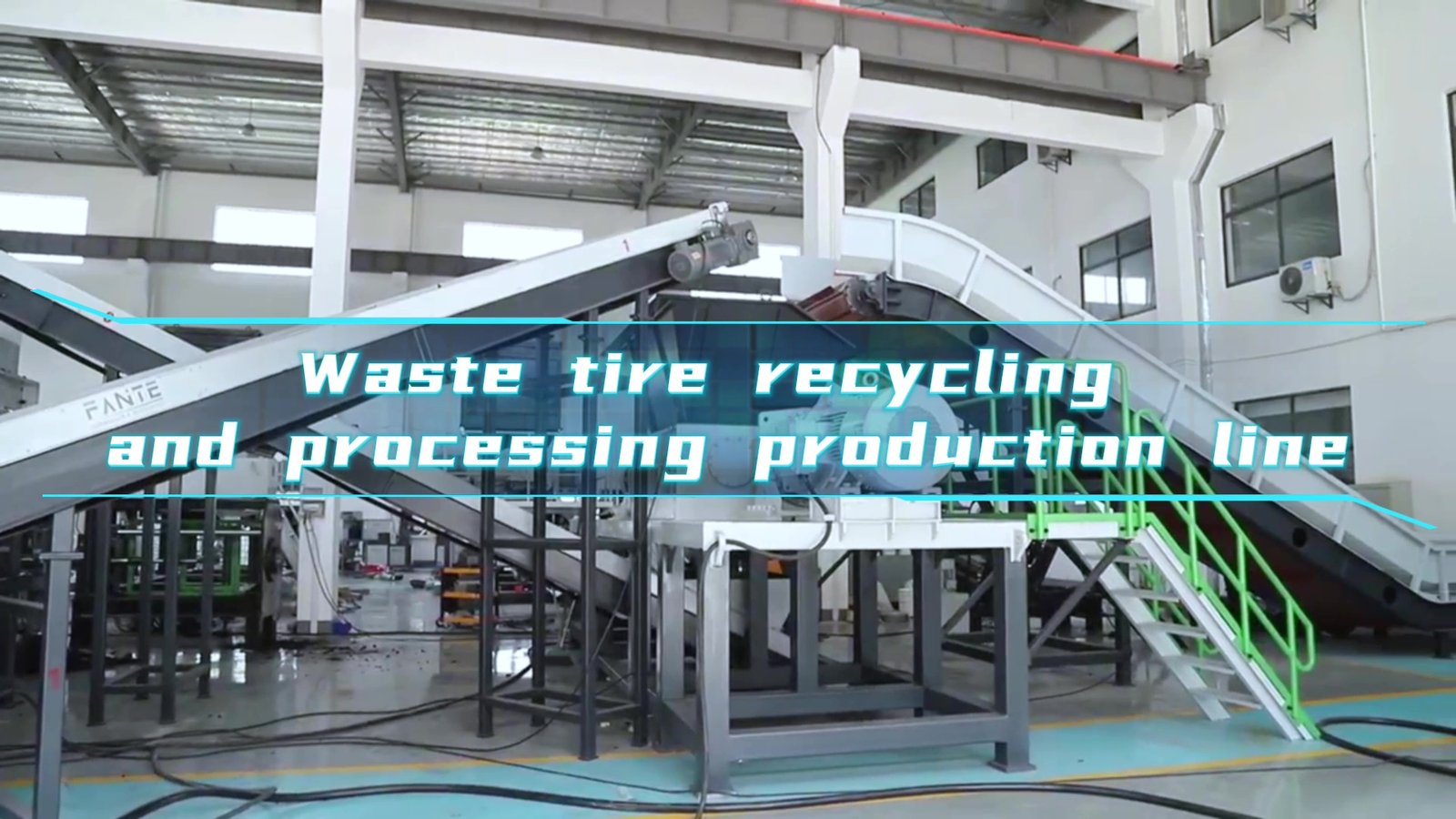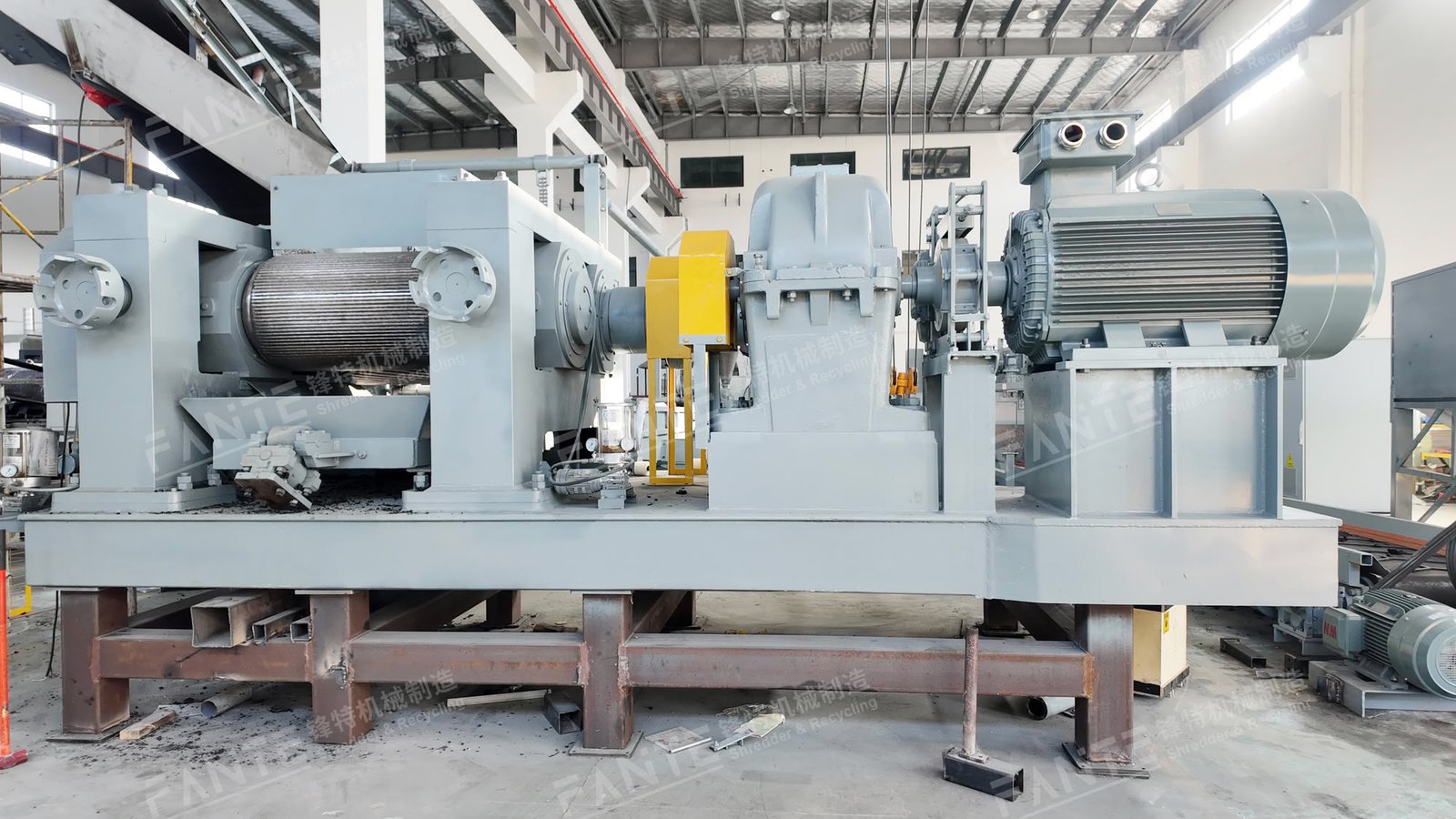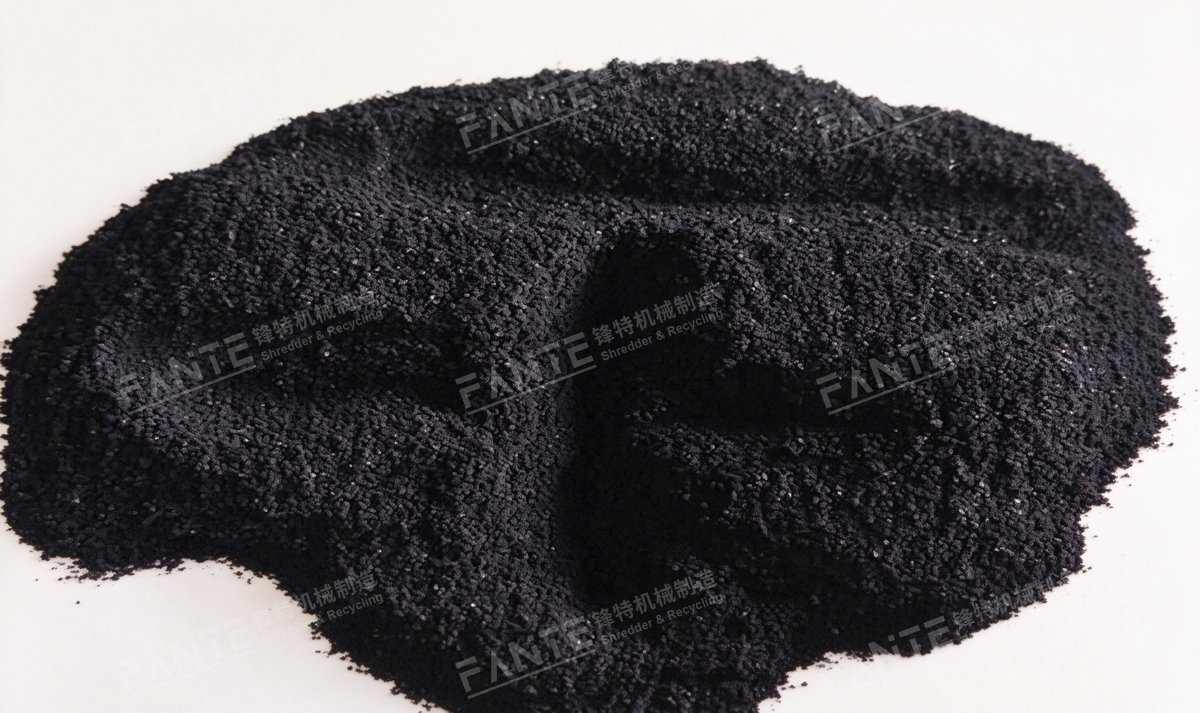







A well-configured tire recycling production line typically requires 2–3 workers per shift for routine operation. The exact staffing level depends on processing capacity, automation, raw material feeding methods, and the final product. With a suitable equipment layout and clear task allocation, a small operating team can manage the main production process efficiently.
1. How Many Workers Are Needed?
For a standard tire recycling line, 2–3 operators are generally sufficient for daily production.
- 2 workers: Suitable for a relatively automated line with conveyor feeding, centralized controls, and automatic material transfer.
- 3 workers: Recommended when the line requires more manual feeding, material handling, product collection, or packaging.
This estimate covers routine production operators. It does not necessarily include forklift or loader drivers, dedicated maintenance technicians, supervisors, or administrative staff.
2. How Should the Workers Be Assigned?
Each operator should have clear responsibilities to prevent feeding interruptions, equipment overload, and material accumulation.
Worker 1: Raw Material Feeding
Main responsibilities:
- Inspect incoming waste tires and remove unsuitable materials.
- Feed tires into the cutting or shredding equipment.
- Maintain a steady and appropriate feeding rate.
- Monitor the feeding area and prevent material blockages.
For plants using automatic feeding conveyors or mechanical loading systems, this operator can also assist with material handling and production checks.
Worker 2: Equipment Monitoring and Process Control
Main responsibilities:
- Monitor the main shredder, granulator, and other processing equipment.
- Check operating conditions through the electrical control cabinet or PLC system.
- Observe abnormal noise, vibration, temperature, and material flow.
- Coordinate equipment operation and respond to alarms or interruptions.
This operator is responsible for keeping the production process running smoothly and identifying potential problems early.
Worker 3: Product Collection and Quality Inspection
Main responsibilities:
- Collect rubber chips, granules, steel wire, and fiber from designated discharge points.
- Check product size and separation quality.
- Replace collection containers or arrange finished-product packaging.
- Keep the discharge and storage areas clean and organized.
For a two-person team, these duties can usually be combined with feeding or equipment monitoring, depending on the production layout.
3. Can Two Workers Operate the Entire Line?
Yes. Two workers can operate many automated tire recycling systems when material feeding, conveying, screening, and separation are handled mechanically.
A practical arrangement is:
- Operator 1: Responsible for tire feeding, raw material inspection, and material handling.
- Operator 2: Responsible for equipment monitoring, product collection, and quality checks.
However, if the line has several manual feeding points, frequent product changes, or large quantities of material to handle, a third operator can reduce workload and improve production continuity.
4. Does the Production Capacity Affect Labor Requirements?
Yes. Higher processing capacity does not always mean a proportional increase in operators. Automation and material handling methods are equally important.
For example, a line with automatic conveyors and centralized PLC control may need fewer operators than a smaller system that relies heavily on manual feeding and collection.
Other factors include:
- Raw material: Passenger tires are generally easier to handle than large truck or OTR tires.
- Output requirements: Producing rubber powder may involve additional screening, collection, and packaging work.
- Automation level: Automatic feeding and conveying reduce manual handling.
- Plant layout: Poor material flow can increase the number of workers needed.
5. What Training Do Operators Need?
Operators do not necessarily need extensive prior experience, but they should receive practical training before production starts.
Training should cover:
- Equipment startup and shutdown procedures.
- PLC control and operating parameter checks.
- Safe feeding and material handling.
- Emergency stop procedures and basic troubleshooting.
- Daily inspection, lubrication, and cleaning.
- Blade and screen wear inspection, with replacement handled by trained personnel.
结论
A typical automated tire recycling production line can be operated by 2–3 workers per shift. Two operators can handle feeding, equipment monitoring, and product collection on a well-designed system. A third operator is useful when manual handling or packaging requirements increase.
The right staffing plan should be determined by the equipment configuration, processing capacity, and factory layout—not simply by the number of machines installed.