






Agricultural straw is a valuable biomass resource. It can be converted into animal feed, fertilizer, fuel, cultivation substrates, and industrial materials. However, efficient utilization starts with proper material preparation.
A straw shredder provides the critical first step. It reduces bulky straw into a more uniform and manageable feedstock, helping improve the efficiency of subsequent processing.
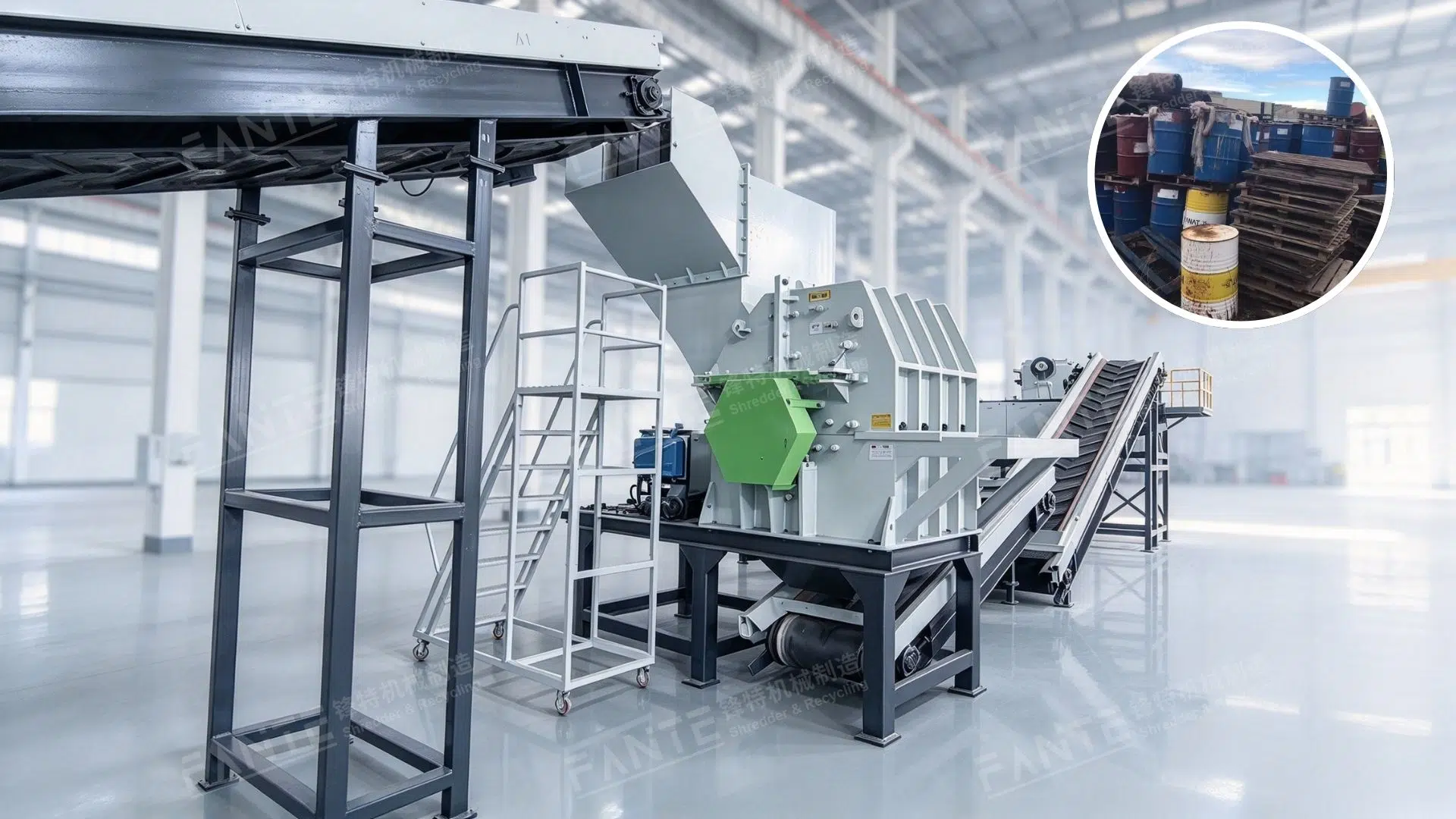
For projects that handle different types of agricultural residues, a biomass recycling system can provide a practical solution for material size reduction and preparation.
Why Does Straw Need to Be Shredded?
Raw straw is lightweight, bulky, and difficult to handle. Its irregular size can also affect feeding, mixing, compaction, and other downstream processes.
Shredding helps address these challenges by:
- Reducing material size
- Improving material uniformity
- Increasing feeding efficiency
- Simplifying transportation and storage
- Preparing straw for further processing
The required particle size depends on the final application. Feed production, composting, briquetting, and biomass fuel production may each require different material specifications.
What Can Shredded Straw Be Used For?
The main advantage of effective preprocessing is that the same agricultural residue can enter different utilization pathways.
Animal Feed
Properly processed straw can be used as a fiber source in selected livestock feed applications. Consistent particle size can make mixing and subsequent processing easier.
Fertilizer and Compost
Shredded straw can be incorporated into composting systems. Smaller particles generally provide more uniform material distribution and can support efficient handling.
Biomass Fuel
Straw can be processed into feedstock for briquetting, pelletizing, and other biomass fuel applications. Consistent feedstock preparation helps maintain stable downstream production.
Cultivation Substrate
Processed agricultural residues can also be used in selected cultivation applications. The required preparation depends on the crop and production method.
Industrial Biomaterials
Shredded straw can serve as a raw material for certain composite and fiber-based products. Particle size and material cleanliness are important for these applications.
How Does a Straw Shredder Improve Processing?
A properly selected Straw shredder uses mechanical cutting and tearing to reduce long and bulky straw into smaller pieces.
The shredding process can improve the material flow between different stages of a recycling or biomass utilization system.
For example:
Raw straw → Shredding → Screening → Mixing or Compaction → Final Application
Additional equipment can be incorporated when the project requires specific particle sizes, separation, or automatic feeding.
The system should therefore be designed around the final product rather than the shredder alone.
What Should You Consider When Choosing Straw Shredding Equipment?
Not every agricultural waste project has the same requirements. Several factors should be evaluated before selecting equipment.
1. Straw Type
Different materials can have different moisture levels, fiber structures, and densities. Common feedstocks include rice straw, wheat straw, corn stalks, and other agricultural residues.
2. Required Capacity
The processing capacity should match the available raw material and downstream production requirements.
A system designed for continuous industrial operation may require a different configuration from a small-scale biomass processing project.
3. Target Particle Size
Particle size is one of the most important selection factors. Coarse shredding may be sufficient for some applications, while others require additional grinding or screening.
4. Moisture Content
Moisture can affect material feeding, cutting performance, storage, and downstream processing. The actual moisture level should be considered during equipment selection.
5. Continuous Operation
For commercial biomass projects, stable feeding and continuous operation are essential. The complete material flow should be considered instead of evaluating individual machines separately.
From Agricultural Waste to Valuable Resources
Straw should not be viewed simply as agricultural waste. With appropriate processing, it can become a useful secondary resource for multiple industries.
Effective size reduction improves material handling and prepares straw for further utilization. It can also help reduce storage and transportation difficulties caused by bulky raw material.
A well-designed recycling system can connect shredding with conveying, screening, mixing, pelletizing, or other downstream processes.
This creates a practical resource recovery chain:
Agricultural residue → Size reduction → Material preparation → Further processing → Recycled products
Build a More Efficient Straw Recycling Process
The first step in straw utilization is often overlooked, but it has a direct impact on the efficiency of the entire production chain.
A reliable Straw shredder can transform bulky agricultural residue into a more uniform feedstock for feed, fertilizer, biomass fuel, cultivation, and industrial applications.
The right equipment configuration should be based on your material type, capacity, moisture content, target particle size, and final application.