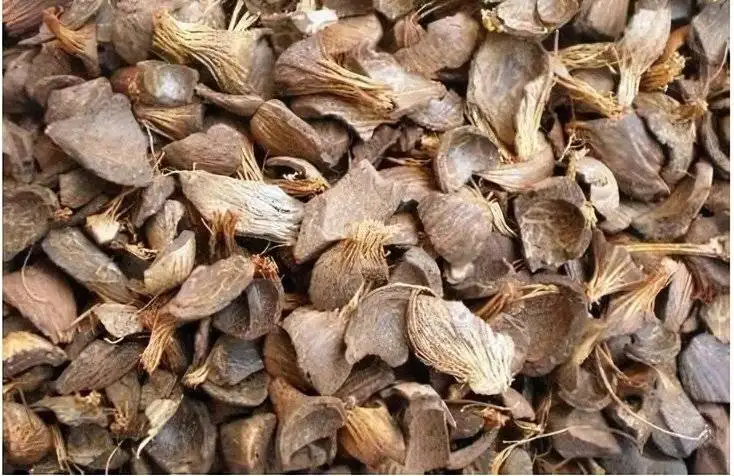
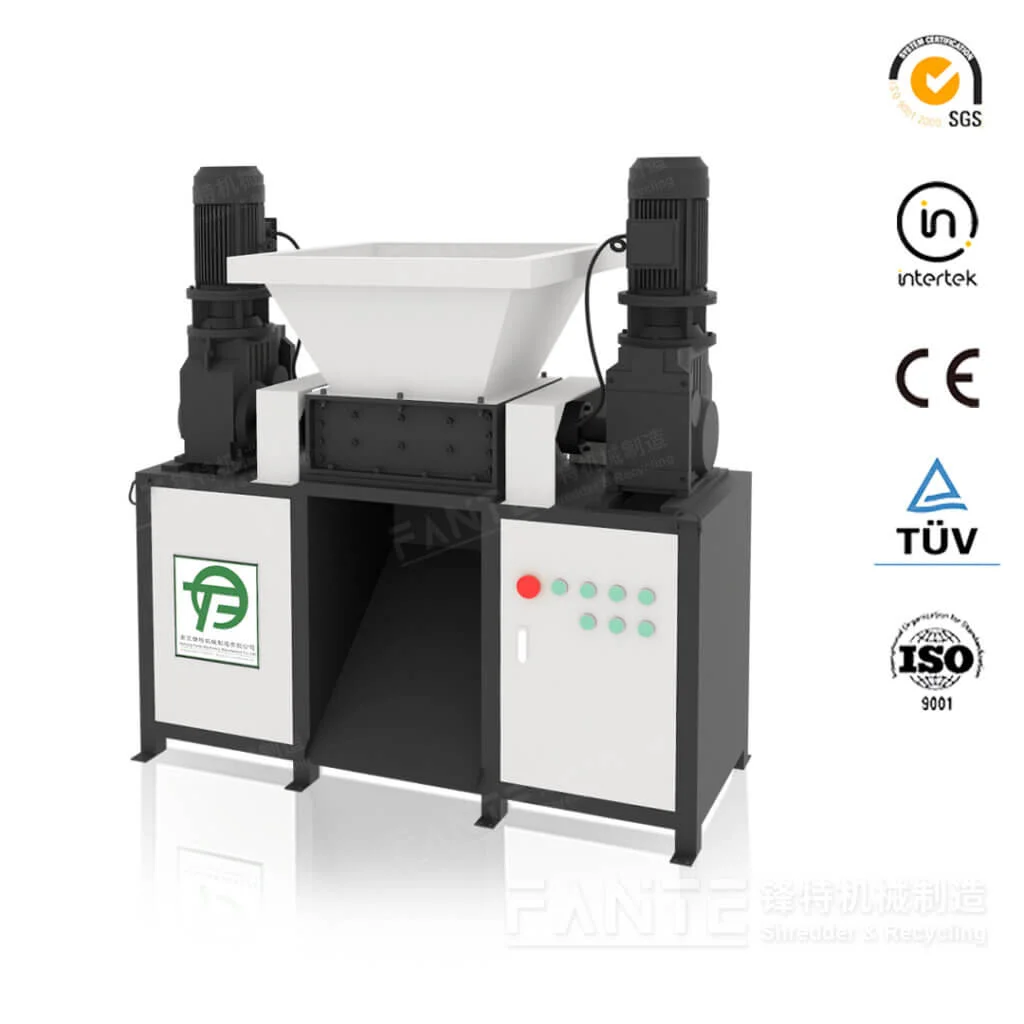
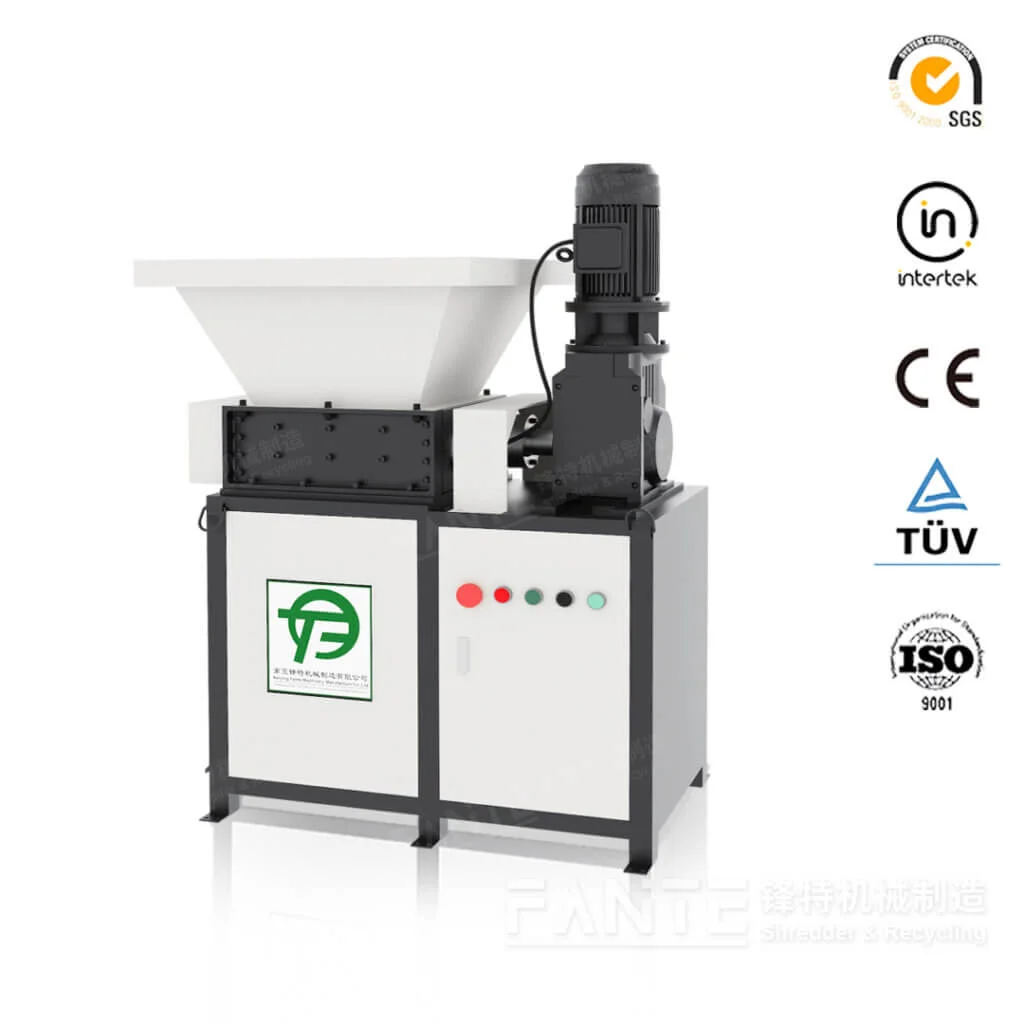
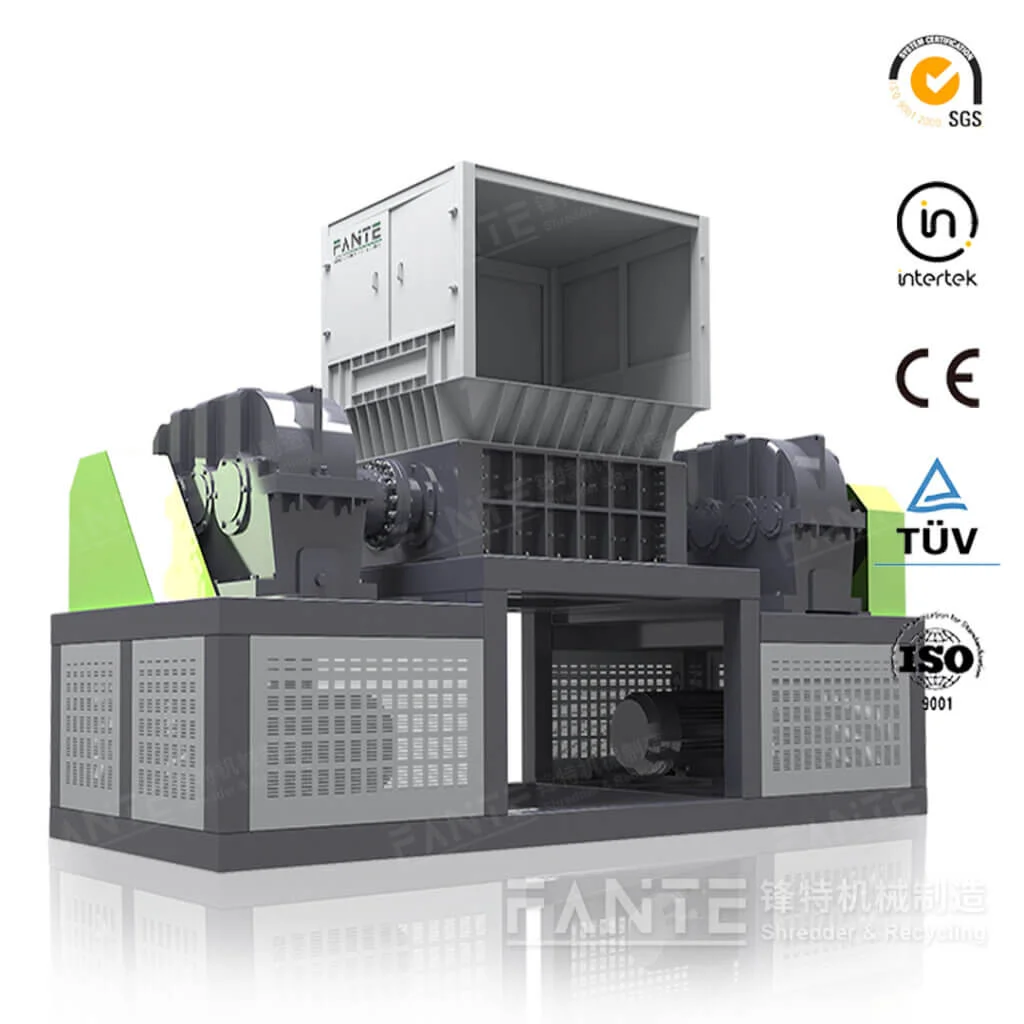
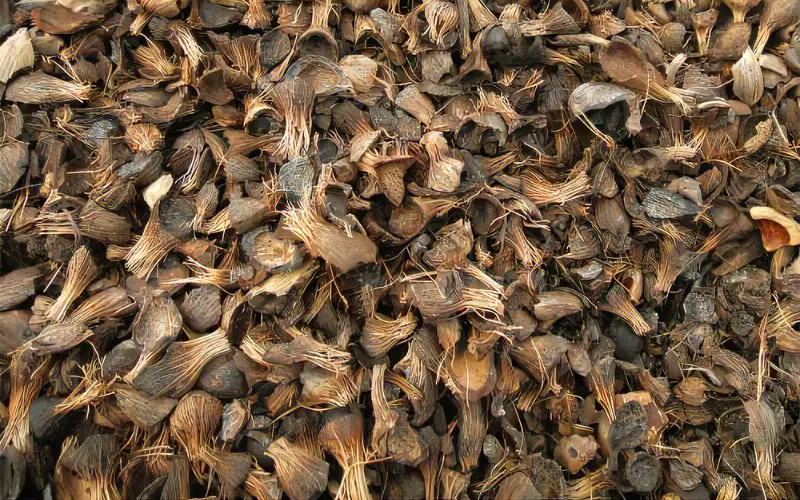
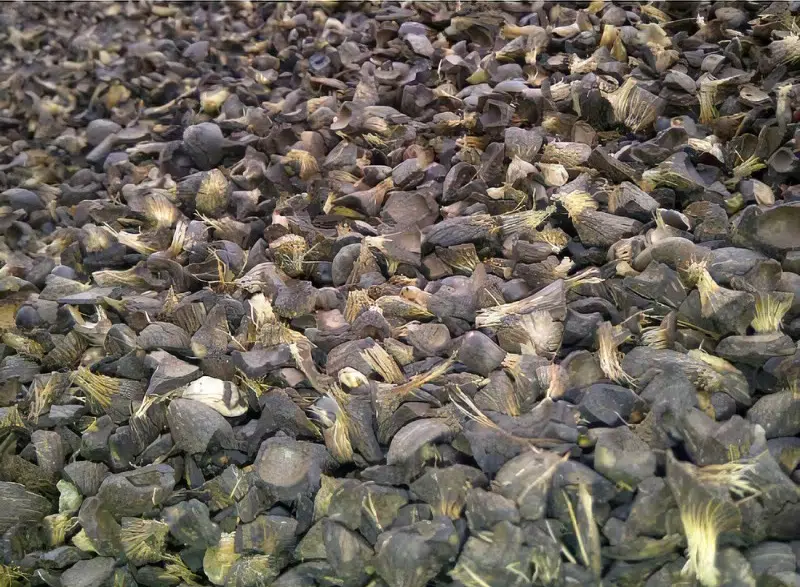
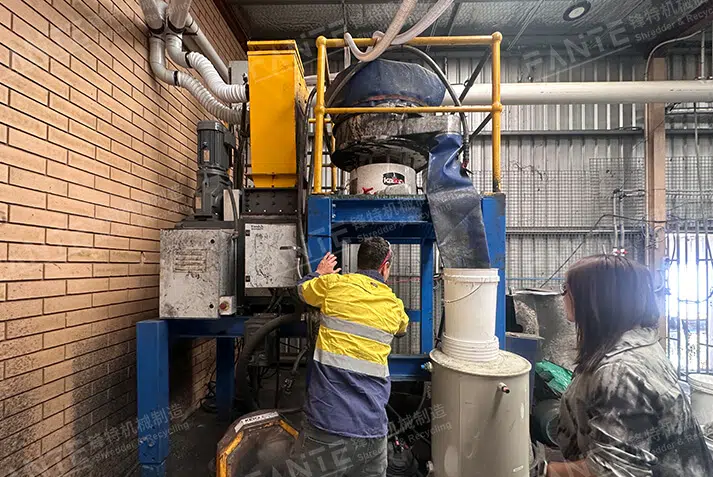
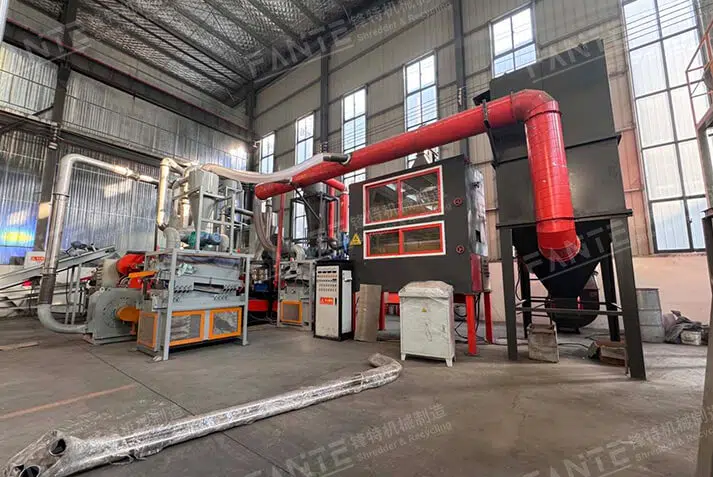
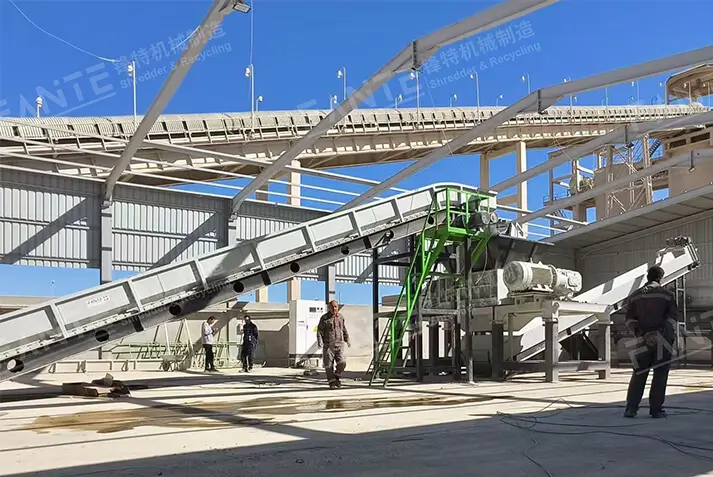

По мере развития пальмовой промышленности огромные объемы отходов пальмовой скорлупы вызывают серьезную озабоченность. Особая структура и трудноразлагаемая природа пальмовой скорлупы создают большие проблемы для ее переработки и утилизации. Для того чтобы лучше использовать этот ценный природный ресурс, мы представили передовой измельчитель пальмовой скорлупы, открыв тем самым новую эру повторного использования пальмовой скорлупы. Благодаря эффективной технологии измельчения это оборудование может быстро разрезать огромные пальмовые раковины на удобные для обработки куски, создавая идеальные условия для их повторного использования.
Измельчитель пальмовой скорлупы не только эффективно уменьшает объем пальмовой скорлупы, но и превращает ее в многоцелевое сырье. Измельченная пальмовая скорлупа может быть использована во многих областях, таких как производство энергии из биомассы и органических удобрений, что позволяет максимально эффективно использовать ресурсы. Этот метод обработки не только решает проблему переработки пальмовой скорлупы, но и предлагает инновационное решение для устойчивого развития и способствует модернизации всей пальмовой промышленности.
In industrial biomass processing, a high-performance shredder designed for palm shells and related palm waste serves as the primary size-reduction unit that transforms bulky, irregular palm shell material into uniform, manageable fragments suitable for downstream processing. Palm shells are dense lignocellulosic residues from palm oil production that, if left unprocessed, present challenges in handling, transport, and energy conversion. A purpose-built palm shell shredder employs robust alloy steel blades and a heavy-duty rotor assembly engineered to shear and cut the hard shell structure into a controlled particle size, typically in the range of 10–30 mm, depending on rotor configuration and screen selection. This fragmentation reduces the physical size and heterogeneity of the shells, promoting consistent drying, enhanced combustion characteristics, and improved feedstock quality for pelletizing or gasification applications. The shredding stage also facilitates more uniform moisture distribution and reduces the overall load on subsequent equipment such as dryers and pellet mills.
Following the primary shredding operation, the processed palm shell fragments can be directed into secondary crushing or grinding equipment when finer particle sizes are required for high-density pellet production or efficient bioenergy conversion. In such configurations, the shredder’s output material is conveyed to a hammer mill or fiber crusher that further reduces particle dimensions to approximately 4–10 mm through high-speed impact and screening. This two-stage size-reduction process—initial coarse shredding followed by controlled fine grinding—ensures that the palm shell biomass meets strict feedstock specifications for uniformity, density, and mechanical integrity. The combined shredding and crushing workflow enhances plant throughput, optimizes energy consumption per unit of processed biomass, and supports diverse end-uses such as pellet fuel manufacturing, composting blends, and biomass-based energy systems.