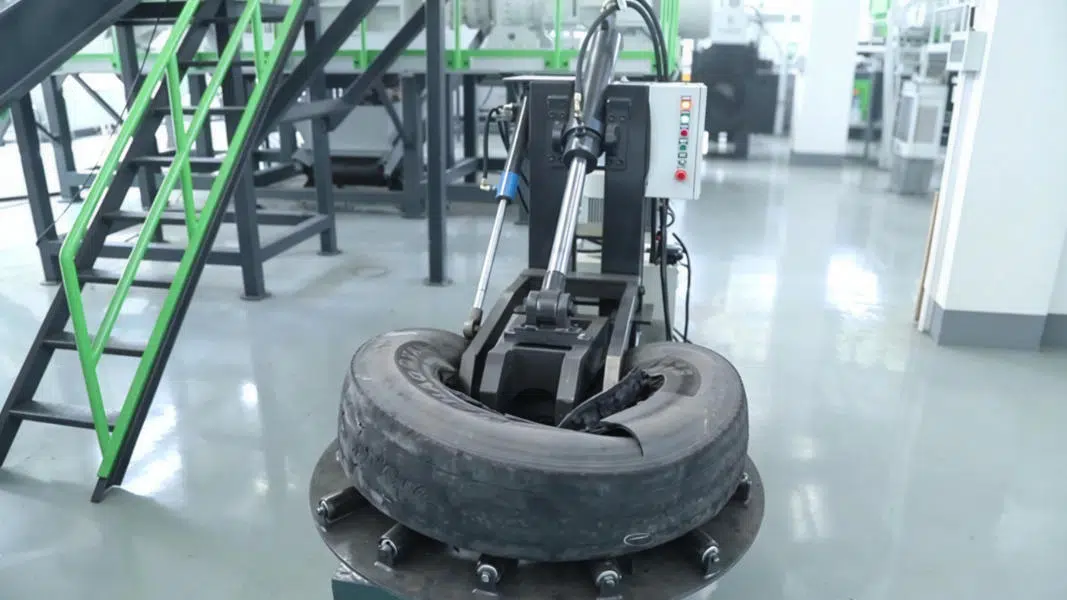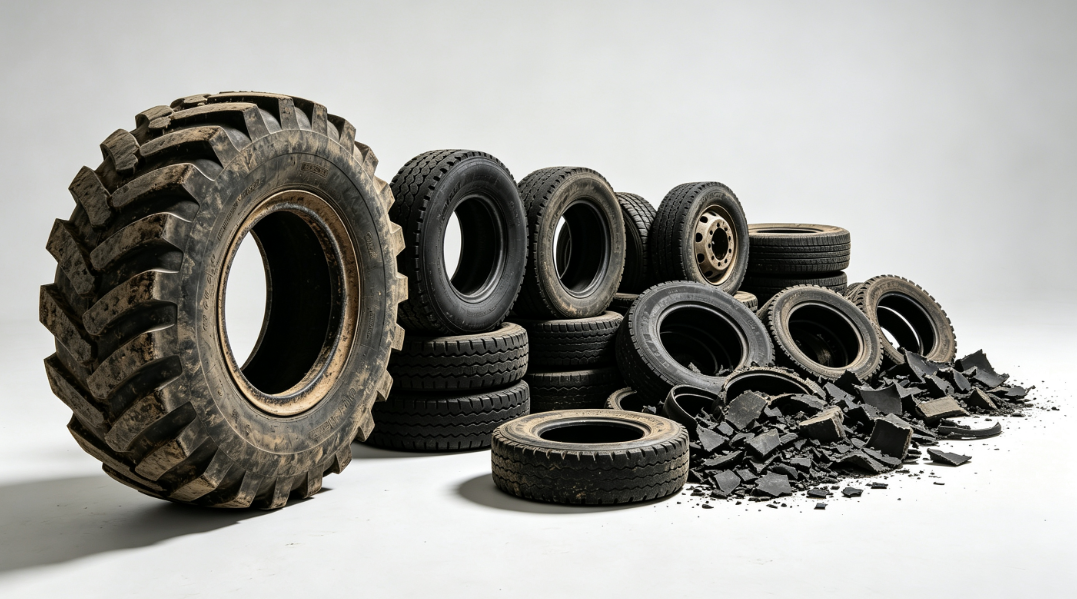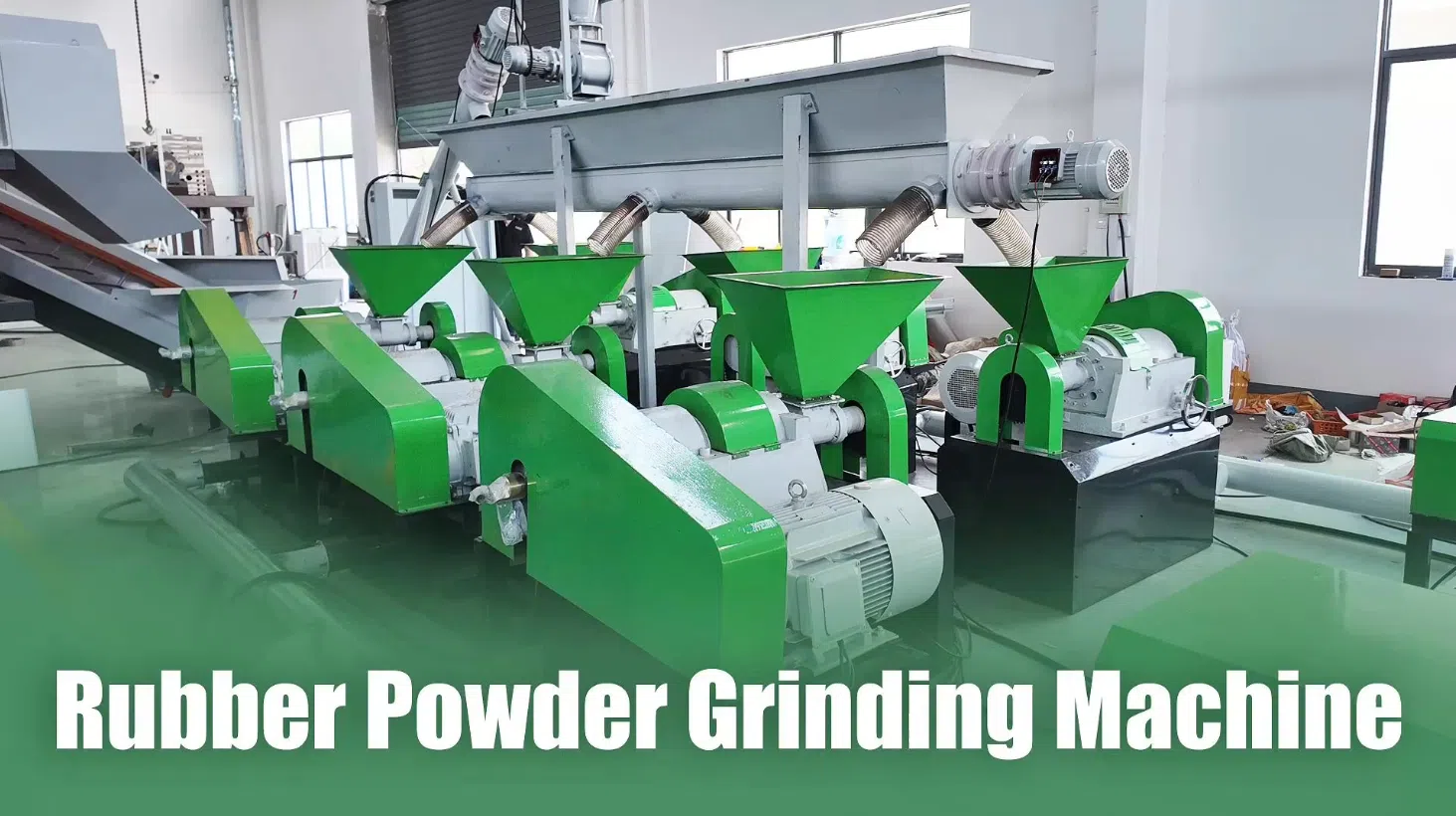







A metal crusher machine reduces bulky metal scrap into smaller pieces through mechanical cutting, tearing, and impact. The working principle depends on the machine type and the metal being processed. Shaft configuration, cutting tools, motor torque, and discharge size all affect crushing performance.
1. What Are the Main Components of a Metal Crusher?
A typical metal crushing system includes several key components:
- نظام التغذية: Transfers scrap metal into the crushing chamber at a controlled rate.
- Rotor and cutting tools: Apply mechanical force to cut, tear, or crush the material.
- Drive system: Supplies the torque and power required for processing.
- Screen or discharge system: Controls material discharge when the machine design includes screening.
- Control system: Monitors operating conditions and provides overload protection where configured.
2. How Does the Metal Crushing Process Work?
The process generally involves four stages.
Stage 1: Material Feeding
Metal scrap enters the feeding chamber through a conveyor or loading system. Material dimensions and thickness must match the machine’s design limits.
Stage 2: Mechanical Crushing
The drive system rotates the rotor or cutting shafts.
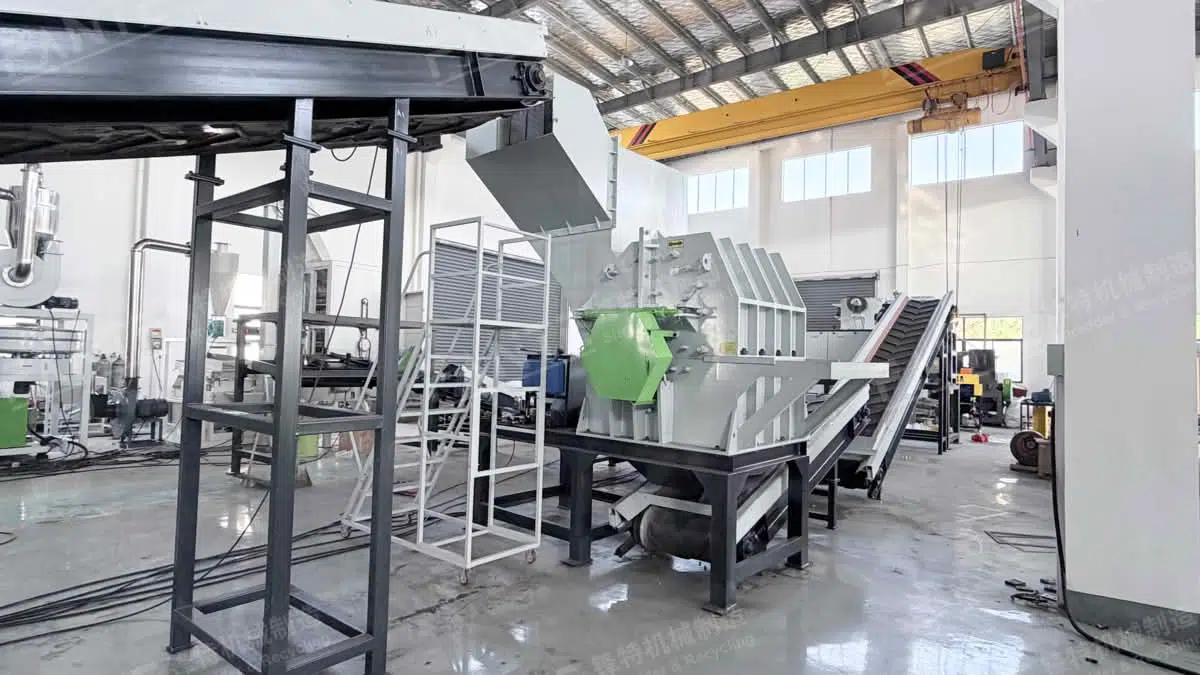
In a hammer crusher, high-speed rotating hammers strike the material, breaking it into smaller pieces.
Stage 3: Size Reduction and Discharge
The crushed material leaves the chamber once it meets the machine’s discharge requirements.
Designs use screens to control particle size.
Stage 4: Downstream Separation
Depending on the feedstock, additional equipment may separate ferrous metals, non-ferrous metals, and contaminants. Magnetic separators are commonly used to recover ferrous material.
3. Which Factors Affect Metal Crushing Performance?
Actual processing capacity depends on more than motor power.
Metal type and thickness: Thin sheet metal is generally easier to process than thick steel sections. Heavy scrap requires sufficient torque and structural strength.
Cutting tool design: Cutter geometry, material, and wear condition affect cutting efficiency and output consistency.
Discharge size: Smaller target pieces may require additional processing, reducing overall throughput.
4. What Types of Metal Can a Metal Crusher Process?
The suitable materials depend on the crusher structure, cutting system, and maximum feed dimensions.
Typical applications include:
- Scrap steel and iron
- Metal sheets and offcuts
- Aluminum scrap
- Metal doors and window frames
- Light structural metal scrap
- Scrap metal drum
- Car body
Thick steel plates, large structural sections, and sealed containers may require specialized equipment or additional preparation. The material’s dimensions and mechanical properties should be confirmed before selecting a machine.
5. How Is a Metal Crusher Different from a Metal Shredder?
The terms crusher and shredder are sometimes used interchangeably, but the equipment may operate differently.
A hammer crusher typically uses high-speed impact to break material. A double-shaft metal shredder uses lower-speed, high-torque cutting and tearing.
The appropriate machine depends on the scrap type, required output size, capacity, and downstream process.
الخاتمة
A metal crusher machine works by applying mechanical cutting, tearing, or impact forces to reduce scrap metal into smaller pieces. Its performance depends on material characteristics, drive capacity, cutting tool design, feeding conditions, and discharge requirements.
Understanding these factors helps recycling plants select suitable equipment and avoid mismatches between the machine and the feedstock.
الأسئلة الشائعة
Not necessarily. Crushing reduces material size. Magnetic separators and other sorting equipment may be needed to separate different metals.
Output size depends on the machine structure, cutter design, screen configuration, and material characteristics.
No. Different scrap materials require different cutting forces, feed openings, and machine configurations. Equipment selection should be based on the actual material and required capacity.