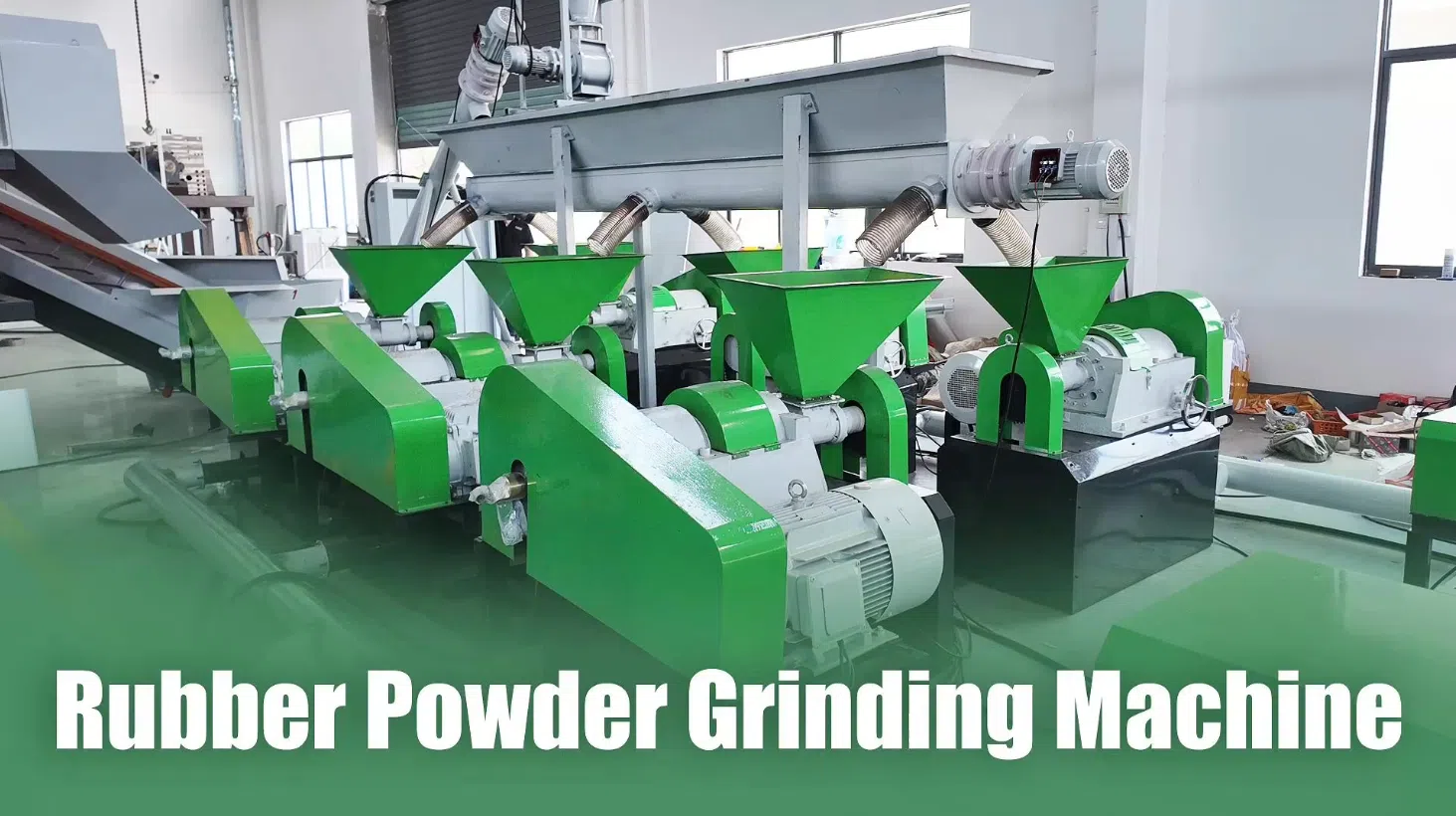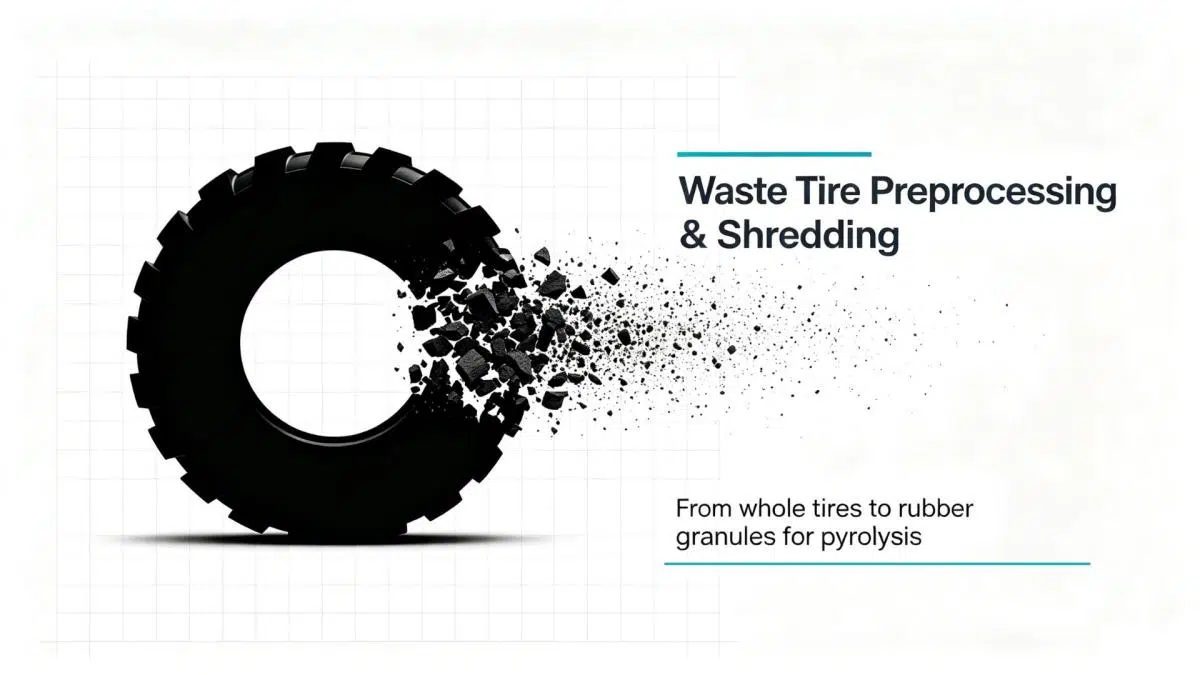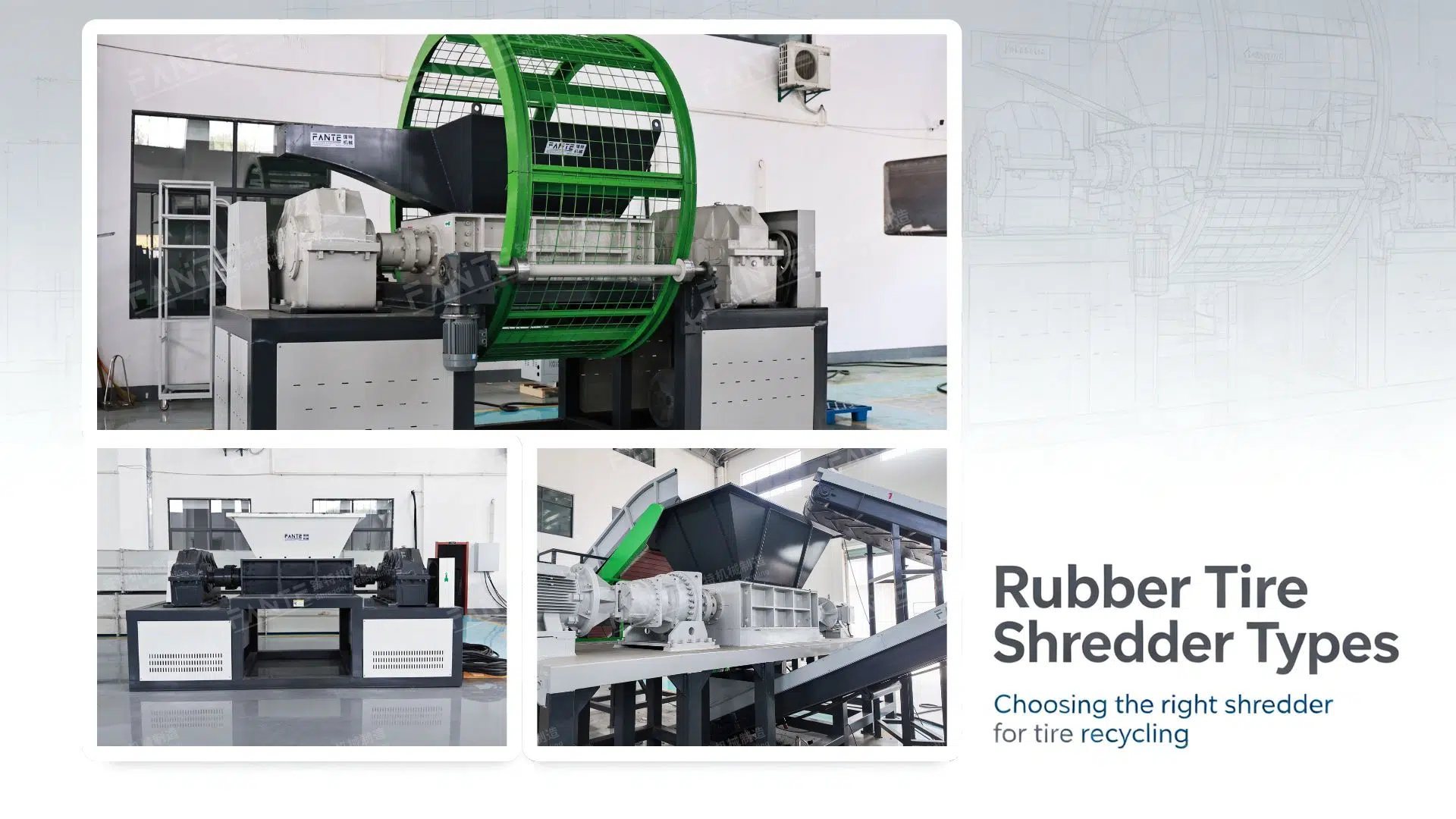







Passenger tires generally achieve higher shredding throughput by weight than truck or OTR tires under comparable conditions. However, actual output depends on tire construction, feeding method, shred size, and shredder configuration. A shredded tire production target should therefore be evaluated using the specific feedstock, not tire count alone.
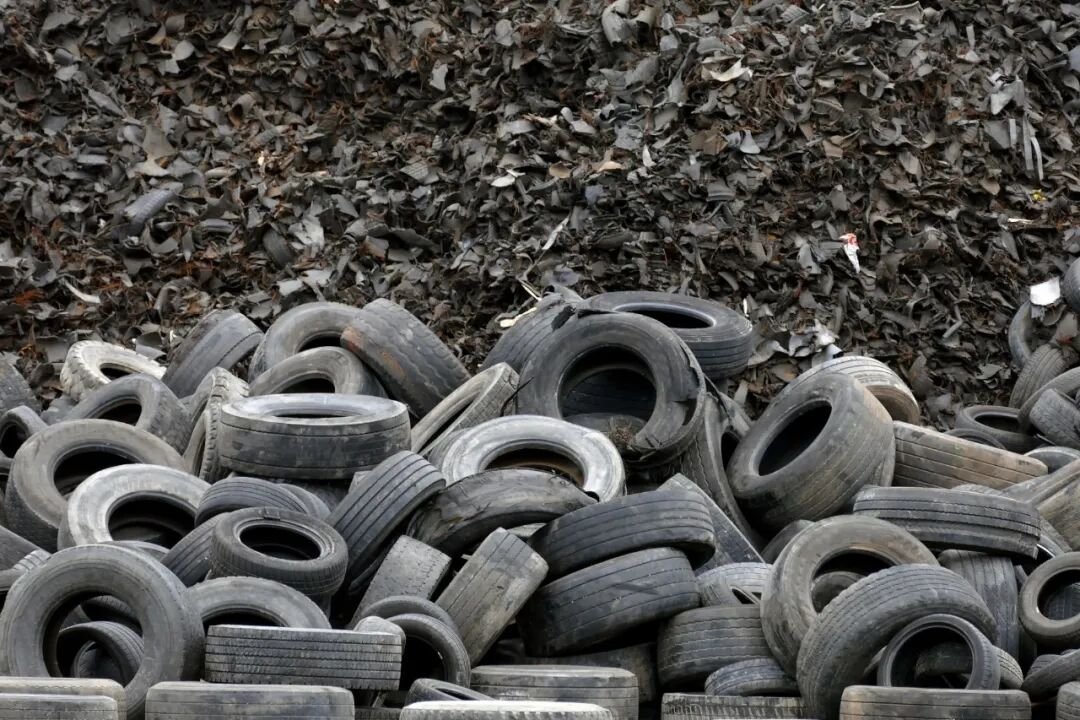
1. Passenger Tires: Typically Higher Throughput
Passenger tires are relatively lightweight and usually have less reinforcement than truck tires. Their smaller dimensions also make feeding and handling easier.
For a properly configured primary shredder, these characteristics can support:
- Faster and more consistent feeding
- Lower cutting resistance per tire
- Fewer interruptions caused by oversized material
- Higher throughput by tire count
Passenger tires are often suitable for establishing a baseline capacity for a tire recycling line.
2. Truck Tires: Higher Weight, Greater Cutting Resistance
Truck and bus tires contain thicker rubber sections and heavier steel reinforcement. Each tire weighs considerably more than a passenger tire, but this does not automatically mean higher tons per hour.
Their reinforced construction increases cutting resistance and places greater demands on the shredder’s torque, shafts, and cutting components.
Key factors affecting throughput include:
- Tire diameter and tread thickness
- Steel belt and bead wire content
- Feeding stability
- Shredder torque and knife condition
- Required discharge size
A heavy-duty shredder with suitable feeding and cutting capacity can process truck tires effectively. However, its actual throughput must be confirmed using the customer’s tire specifications.
3. OTR Tires: Specialized Handling and Lower Processing Rates
OTR tires used in mining, quarrying, and construction are much larger and heavier than standard passenger tires.
Their size, thick rubber sections, and substantial reinforcement create challenges for both feeding and shredding.
Depending on tire dimensions, OTR processing may require:
- Hydraulic pre-cutting
- A larger cutting chamber
- High-torque drive systems
Pre-cutting can make oversized tires manageable for the primary shredder, but it adds another processing stage. The complete line’s throughput must account for this preparation time.
4. What Determines Actual Tire Shredding Output?
Tire type is only one factor. Four operating conditions can significantly affect production.
Tire Size and Construction
Larger tires and heavier reinforcement generally require more cutting work. Mixed tire feed can also create fluctuating loads.
Target Shred Size
Coarse shredding typically requires fewer cutting passes than producing smaller, more uniform pieces. Tighter size requirements can reduce throughput, particularly when screening and oversize recirculation are used.
Feeding Method
Consistent feeding keeps the shredder working under a more stable load. Irregular feeding, bridging, and frequent reversals reduce productive operating time.
Shredder Configuration
Shaft design, torque, knife geometry, gearbox capacity, and cutting chamber dimensions must match the feedstock. A machine designed for passenger tires may not maintain the same performance on truck or OTR tires.
5. How Should Compare Shredder Capacity?
When comparing equipment quotations, request capacity data based on the same operating conditions.
| Comparison Factor | What to Confirm |
|---|---|
| Tire type | Passenger, truck, OTR, or mixed |
| Tire dimensions | Diameter, width, and weight range |
| Feed condition | Whole tires or pre-cut sections |
| Target size | Required discharge specification |
| Capacity unit | Tons per hour and/or tires per hour |
| Test conditions | Continuous operation, feeding method, and recirculation |
A reliable comparison measures accepted output over a representative operating period—not a short demonstration using only easy-to-process tires.
الخاتمة
Passenger tires generally offer higher shredding throughput by weight under comparable conditions. Truck tires require greater cutting force, while OTR tires often need specialized handling and pre-cutting.
The actual capacity of a shredded tire production line depends on the tire mix, target size, feeding stability, and machine design. For accurate equipment sizing, customers should provide tire dimensions, weight range, material composition, and required output specifications.
الأسئلة الشائعة
Passenger tires are generally easier to feed and shred because they are smaller and lighter. Actual throughput depends on the shredder and operating conditions.
Not necessarily. Truck tires weigh more per unit but also require greater cutting force. Tons per hour must be verified through testing with the specified tire type.
Not every standard shredder can handle OTR tires. Large tires may require pre-cutting, specialized feeding, and a heavy-duty shredder designed for their dimensions and reinforcement.