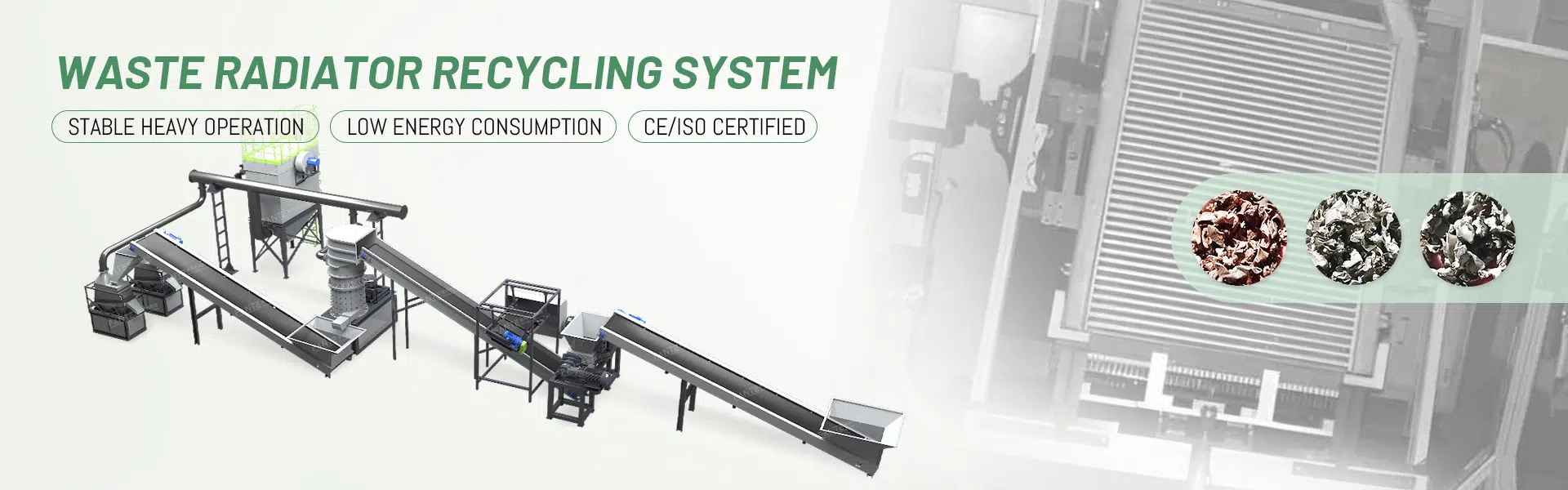
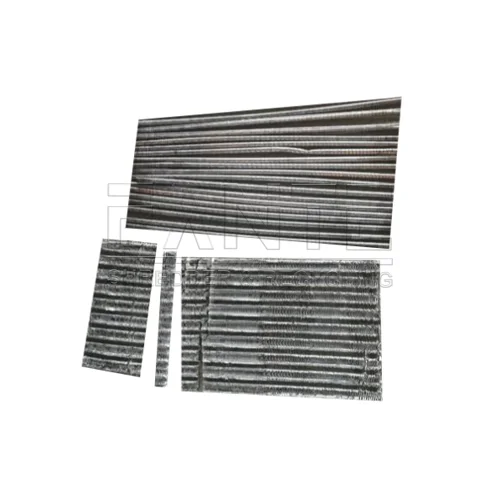
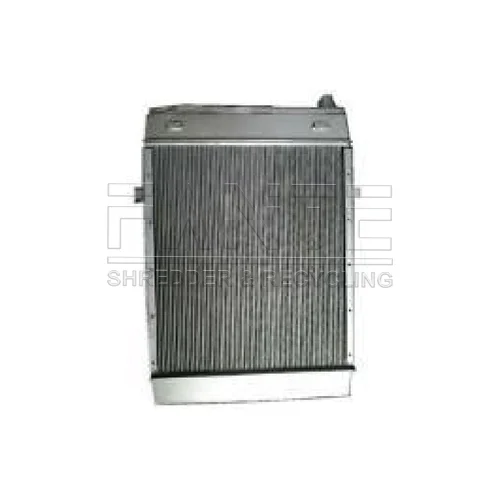
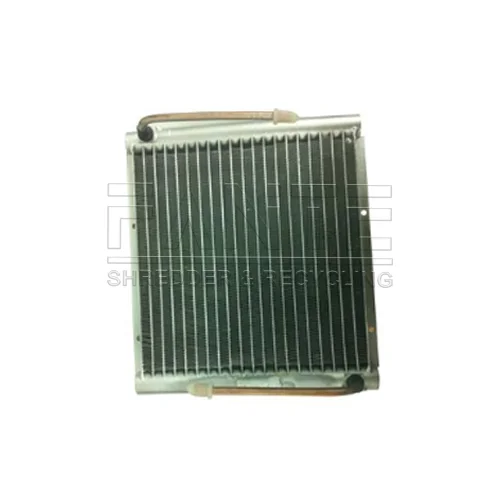

E-Waste/Copper and Aluminum Water Tank Recycling System - Solutions for sustainable resource reuse
SOLUTION BACKGROUND
As environmental concerns continue to grow, the need to recycle aluminum water tanks has become increasingly important. These tanks are widely used in both industrial and residential water storage, but once they reach the end of their service life, proper disposal becomes essential. Traditional disposal methods not only add to landfill waste but also fail to recover the valuable aluminum they contain.
To address these challenges, the radiator recycling machine was developed. It offers an efficient and eco-friendly solution for processing end-of-life aluminum water tanks. By recovering, refining, and reusing aluminum, the system minimizes environmental impact while promoting a more sustainable and resource-efficient future.
PROJECT INTRODUCTION
System Introduction
Radiator recycling machine is advanced equipment engineered to manufacture high-quality radiators. It processes copper and aluminum materials efficiently, ensuring the product’s quality and heat dissipation performance reach the optimal level. This production line uses innovative technology to meet the needs of a variety of industrial and commercial applications. Whatever the size of your project, it will increase efficiency, reduce costs and ensure your radiators are of the highest standard. This is the ideal solution for machining copper and aluminum radiators.
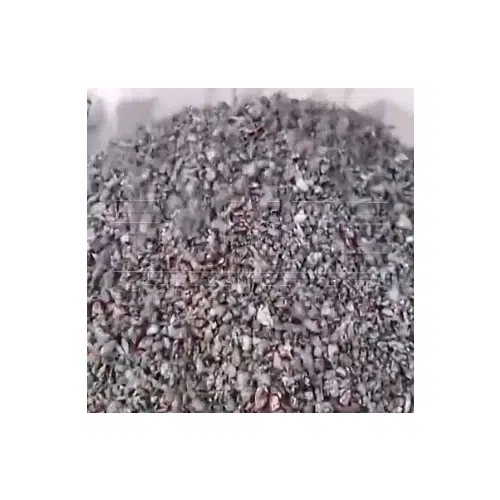
APPLICABLE MATERIALS
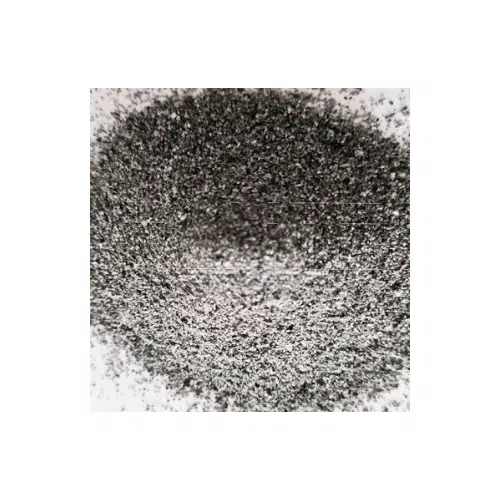
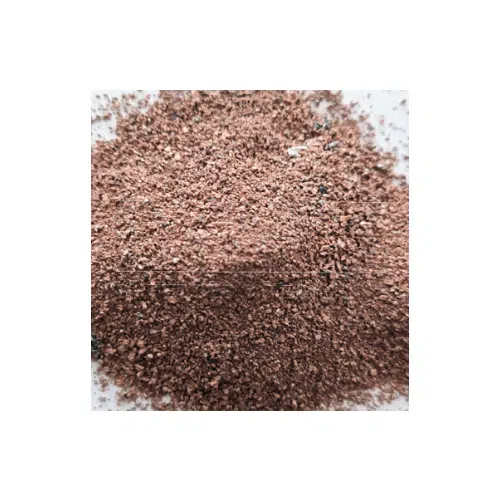
OUTPUT MATERIAL
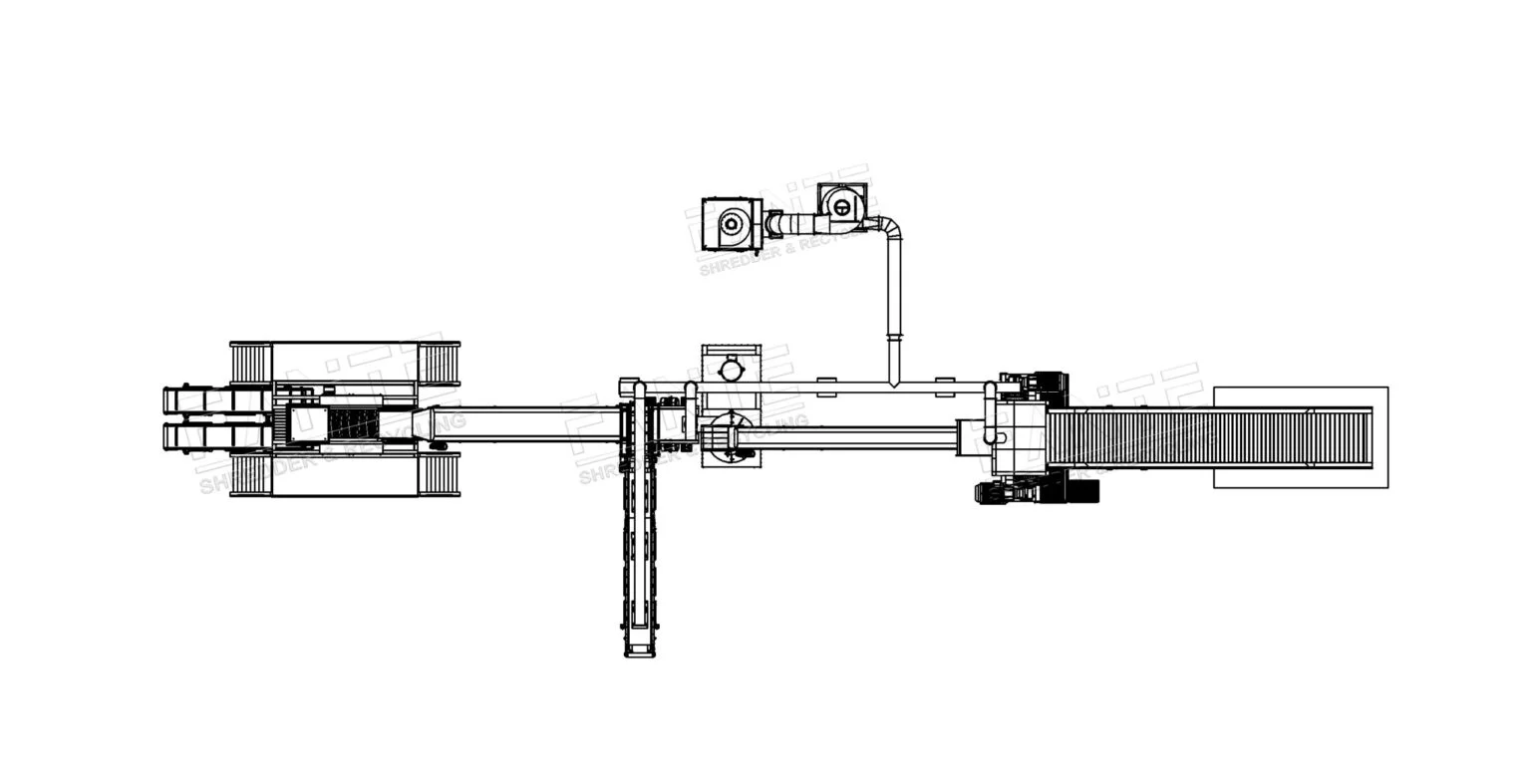
DISPOSAL SOLUTION
FEATURES
Efficient Copper–Aluminum Separation
Specifically engineered to process aluminum–copper radiators (ACR) by liberating bonded metals through controlled crushing. Proper blade spacing and calibrated granulation allow effective separation of copper tubes from aluminum fins, improving material recovery value.
Optimized Two-Stage Crushing System
The machine typically adopts primary shredding followed by fine crushing to achieve sufficient metal liberation. Controlled particle size output enhances downstream separation efficiency while maintaining stable operational performance.
High-Purity Metal Output
Through air separation and vibration-based sorting, lighter aluminum and heavier copper fractions are separated according to density differences. This dry mechanical method produces clean metal granules suitable for direct resale or further refining.
Dry Processing Without Water Use
The recycling process relies on mechanical crushing and airflow classification, eliminating the need for water-based separation. This reduces wastewater treatment requirements and simplifies plant infrastructure.
Integrated Dust Collection & Safety Control
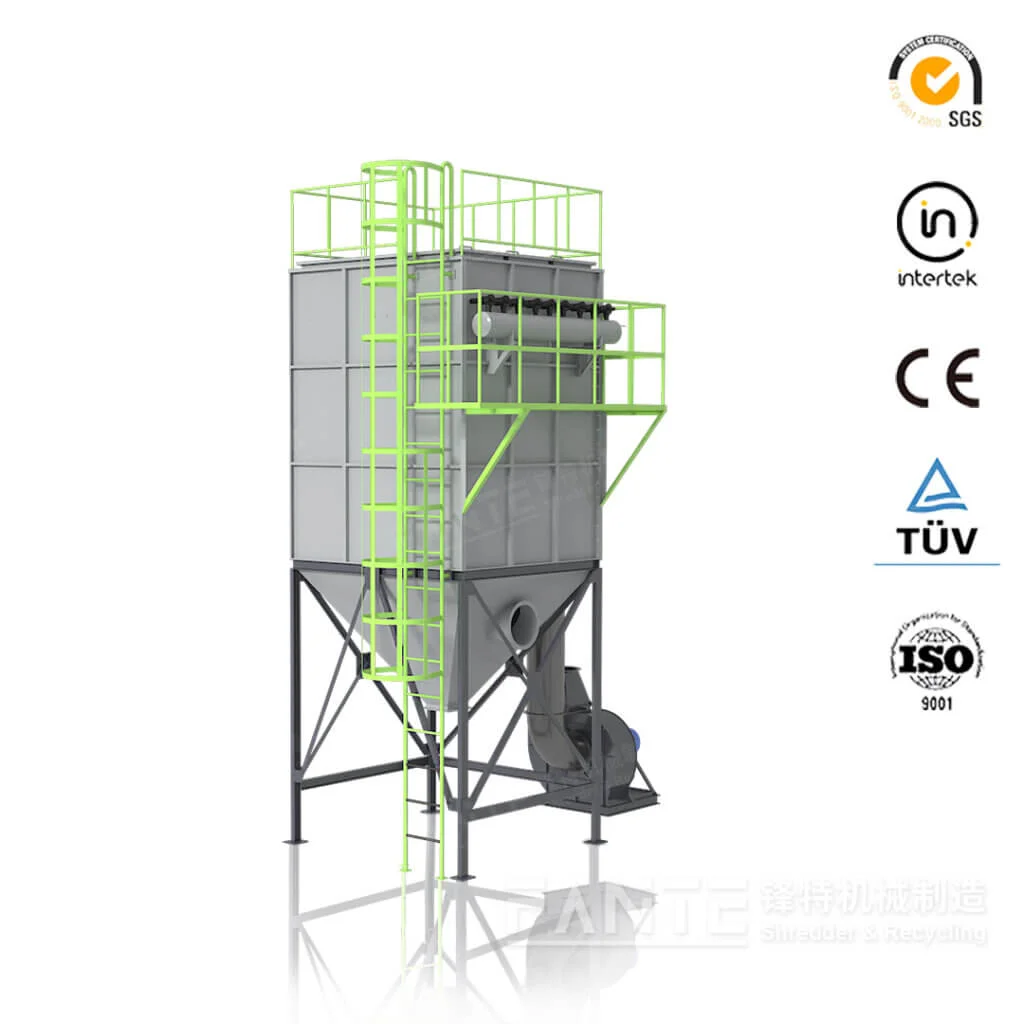
Fine metal and aluminum particles generated during crushing are captured by pulse-jet dust collectors operating under negative pressure. Enclosed structures improve workplace safety and support environmental compliance standards.
Adaptable for Various Radiator Types
Suitable for processing automotive radiators, air-conditioning radiators, and industrial heat exchangers made of copper and aluminum. Adjustable screen sizes and blade configurations allow flexibility based on radiator structure and throughput capacity.
MAIN EQUIPMENTS
PERFORMANCE ADVANTAGE
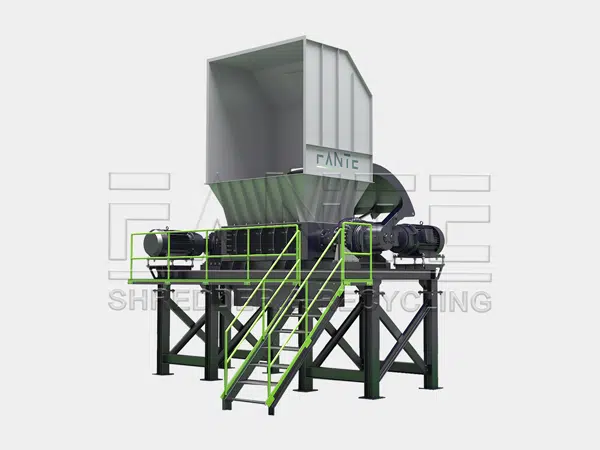
Shredder
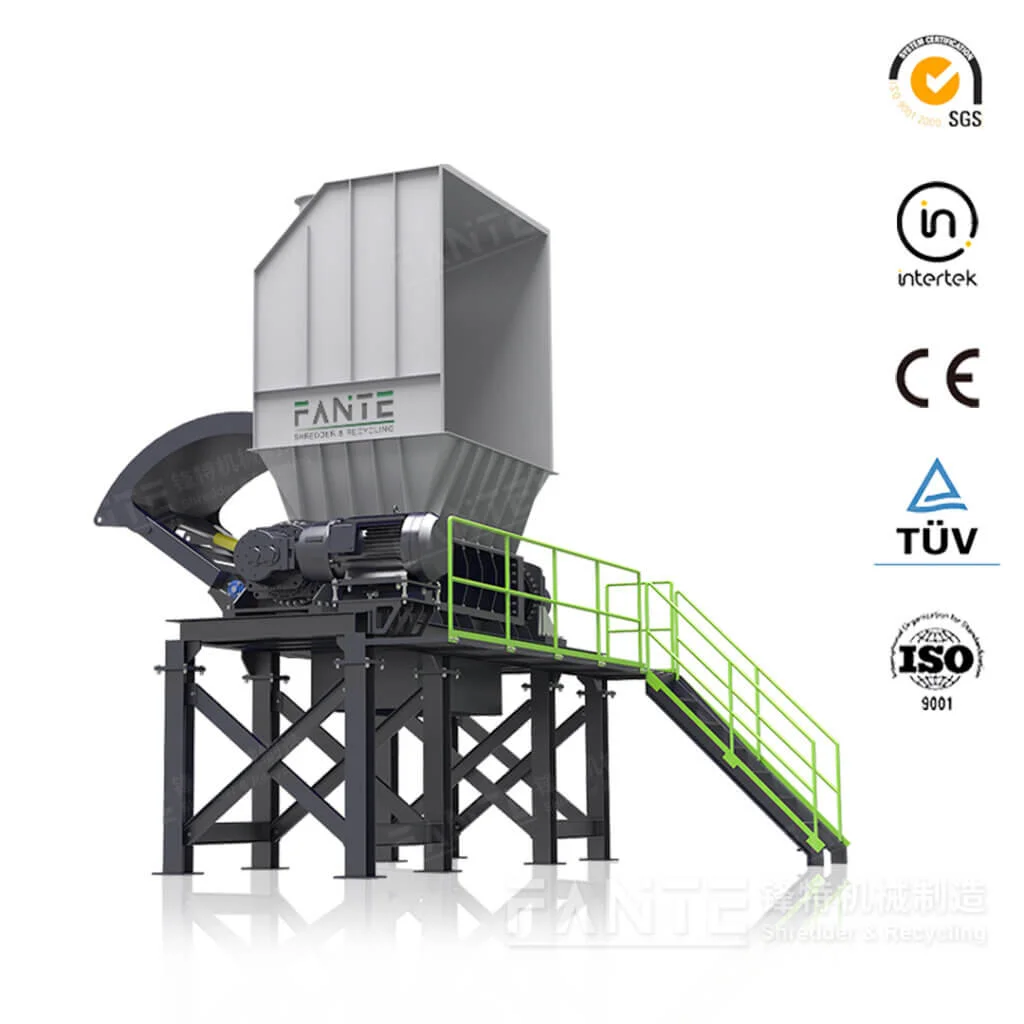
Shredders in a radiator recycling machine are specially engineered to break down waste radiators and other complex materials through cutting, tearing, and shearing. Unlike general-purpose shredders, radiator shredders feature enhanced torque, reinforced shafts, and wear-resistant blades to efficiently process aluminum–copper radiators, honeycomb radiators, and collected scrap heat exchangers. These machines are typically classified into various types based on the materials they handle, such as metal shredders, plastic shredders, and fabric shredders. Each type is designed with specific structures and cutting technologies to match the material characteristics and processing requirements, ensuring high efficiency and stable output.
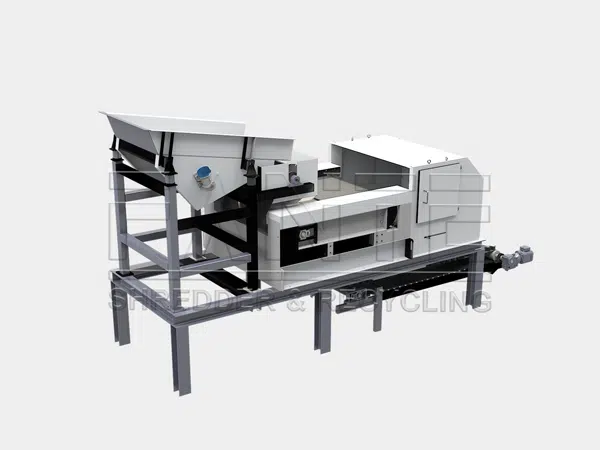
Eddy current
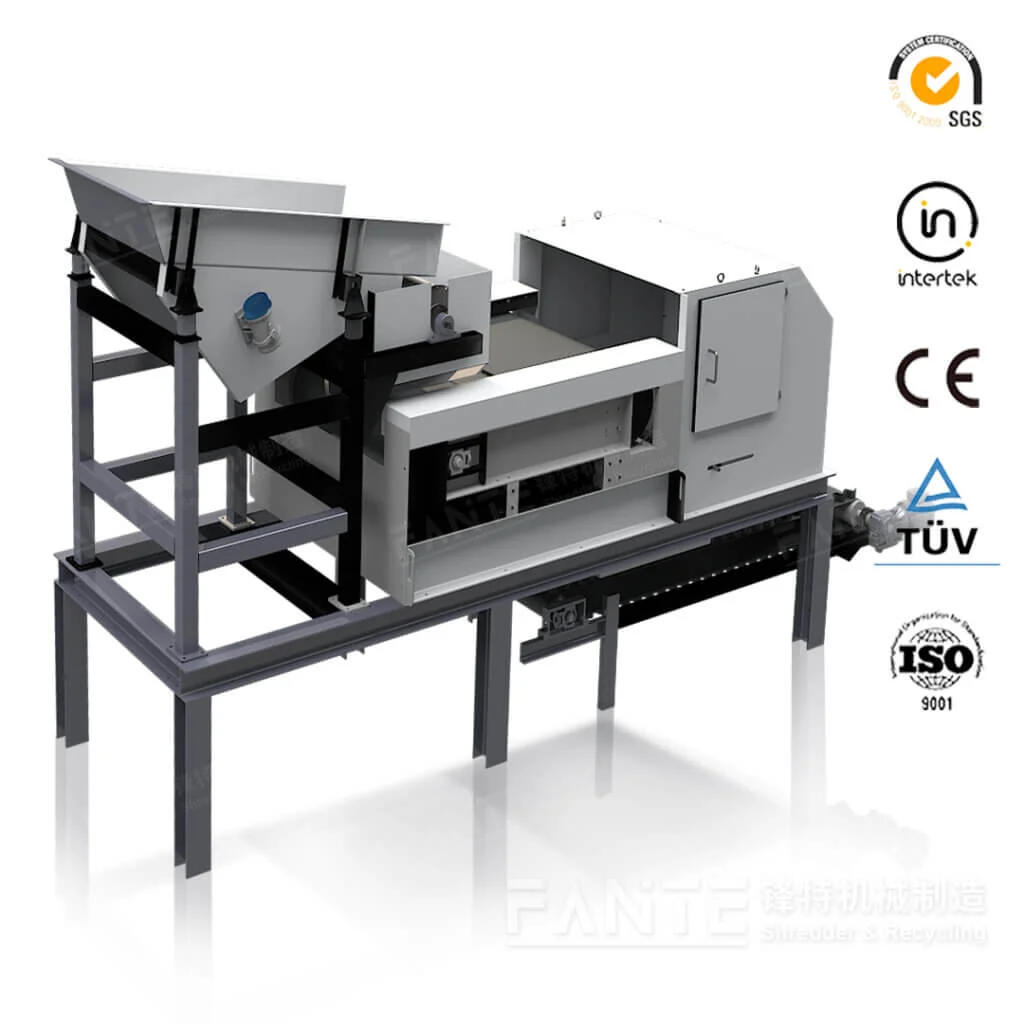
The eddy current separator is a highly efficient separation device engineered to recover non-ferrous metals from shredded radiator materials. It leverages the eddy current principle to generate a rapidly changing magnetic field, which induces repulsive forces on non-ferrous metals and ejects them away from other materials in the mixtur Widely used in scrap processing, metal recycling, and resource recovery applications, the Eddy Current Separator effectively extracts aluminum, copper, brass, and other non-ferrous metals from the processed radiator fragments. By creating motion differences between metallic and nonmetallic materials, it ensures clean material separation and significantly enhances the overall recycling efficiency.
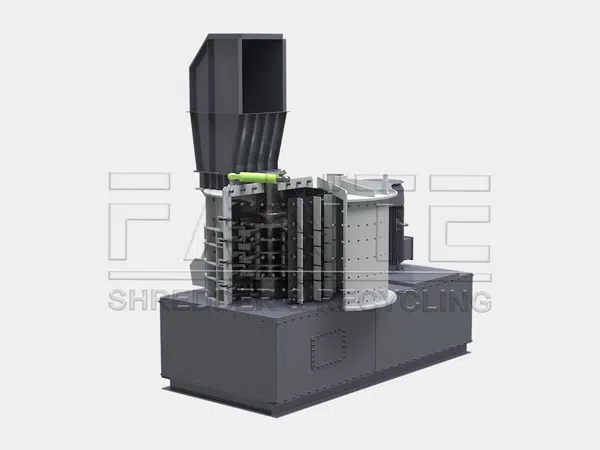
Vertical hammer crusher
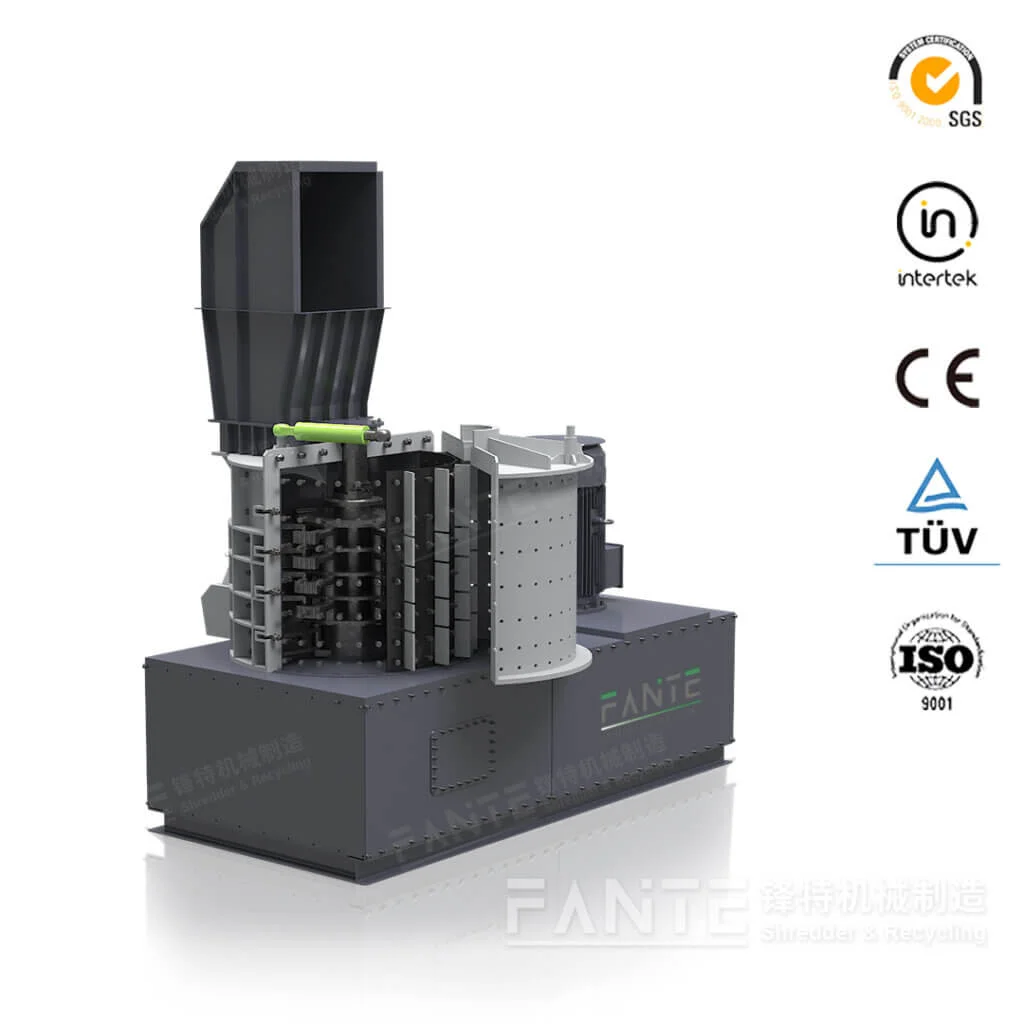
The Vertical Hammer Crusher is a highly efficient crushing machine engineered specifically for processing scrap metal. Its compact vertical structure, combined with a heavy-duty hammer design, delivers outstanding crushing performance in metal recycling applications. Equipped with advanced crushing technology, the machine uses a high-speed rotating hammer rotor to continuously strike, shear, and break down various types of scrap metal, ensuring efficient size reduction and separation. This crusher handles a wide range of metal materials, including scrap automotive parts, aluminum radiators, steel offcuts, and mixed metal components. Its adjustable discharge opening allows operators to control the final particle size, providing flexibility for different production requirements and downstream separation processes.
Frequently Asked Questions
What is the separation efficiency of a radiator recycling machine?
A high-quality radiator recycling machine can achieve high separation efficiency for copper and aluminum, typically above 95%, depending on material condition.
Does a scrap radiator recycling machine require pre-treatment?
Yes. A scrap radiator recycling machine usually requires manual sorting or cutting to remove large contaminants and improve processing efficiency.
How are copper and aluminum separated in a radiator recycling machine?
A radiator recycling machine uses crushing, airflow separation, and vibration screening to efficiently separate copper and aluminum.
What maintenance is required for a radiator recycling machine?
Regular maintenance includes checking blades, cleaning screens, and inspecting key components to ensure stable operation of the radiator recycling machine.