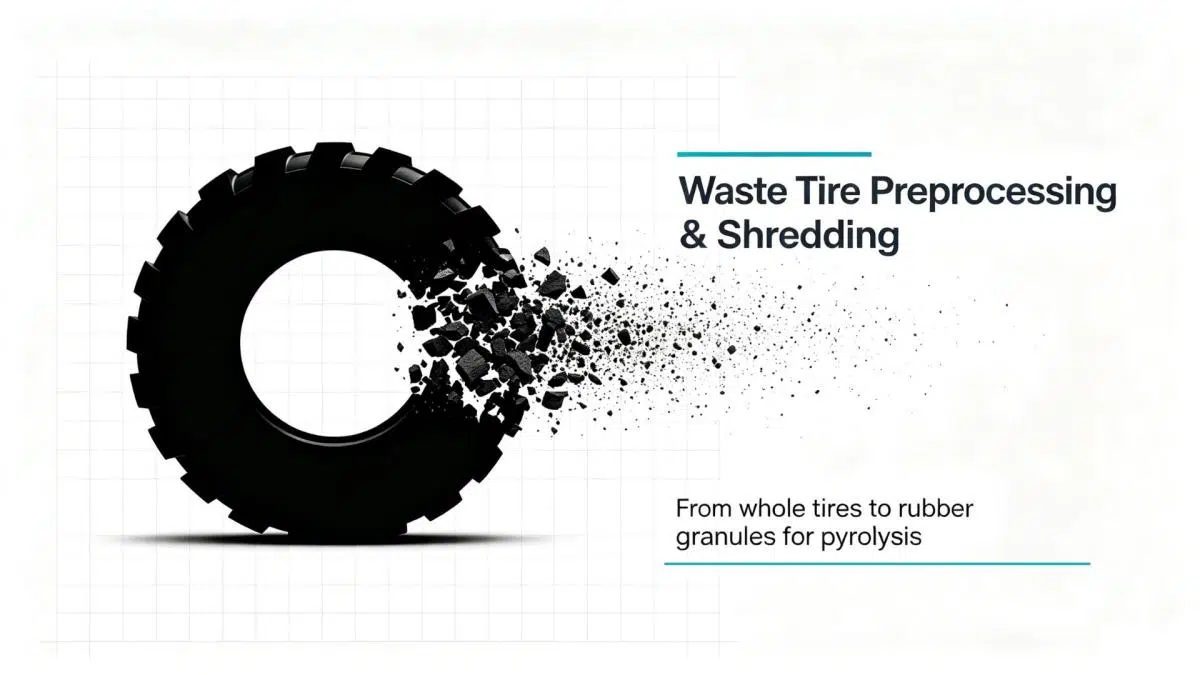







With the increasing focus on resource recovery and circular economy development, waste tire recycling has become an important solution for reducing environmental pressure and recovering valuable materials.
End-of-life tires contain a large amount of high-quality rubber that can be reused after proper processing. Among various recycled rubber products, 4mm crumb rubber is one of the most widely used materials because of its balanced particle size, good performance, and broad application range.
Producing consistent 4mm crumb rubber requires a complete recycling process, including tire shredding, steel separation, grinding, fiber removal, and screening. Understanding the production process helps recycling businesses choose suitable equipment and improve product value.
What Is 4mm Crumb Rubber?
Crumb rubber refers to recycled rubber particles produced by mechanically processing waste tires. The particle size can vary depending on customer requirements and final applications.
4mm crumb rubber typically refers to rubber particles with a size around 4 millimeters. Compared with finer rubber powder, it maintains better elasticity and higher production efficiency.
The main characteristics of 4mm crumb rubber include:
- Uniform particle size
- Good flexibility and durability
- Low impurity content
- Wide application possibilities
- High recycling value
Because of these advantages, 4mm recycled rubber is commonly used in sports surfaces, rubber products, landscaping, and industrial applications.
How Is 4mm Crumb Rubber Produced From Waste Tires?
Producing high-quality crumb rubber requires multiple processing stages to separate rubber from steel and fiber inside waste tires.
Step 1: Tire Shredding
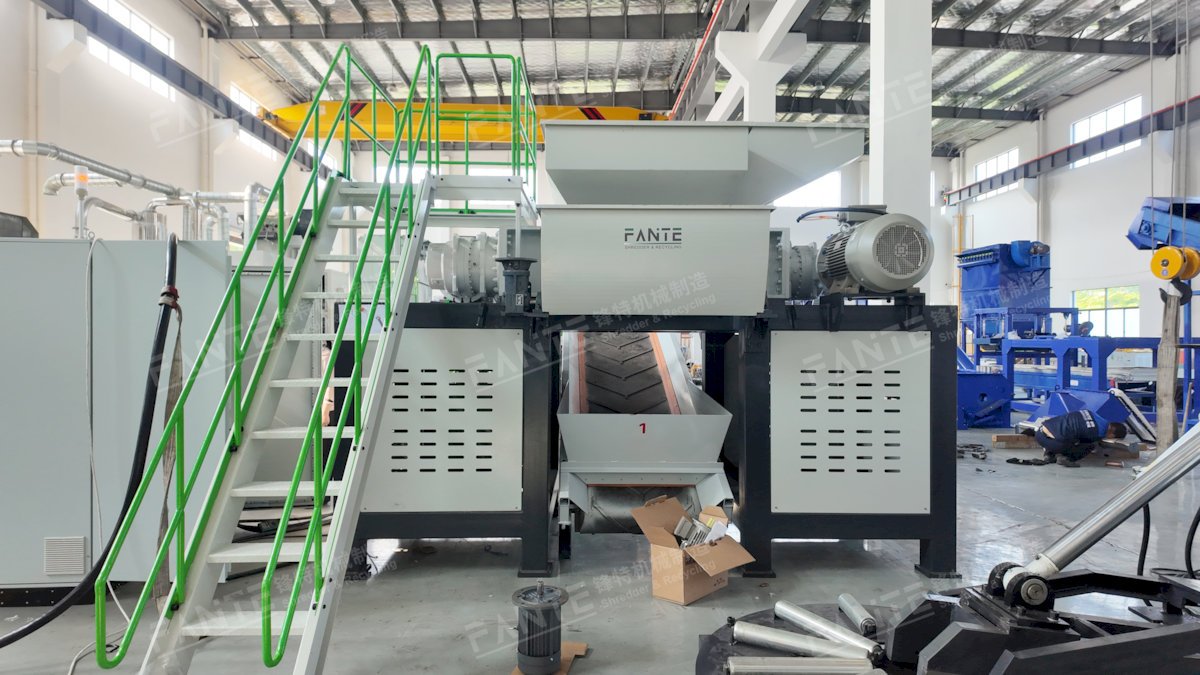
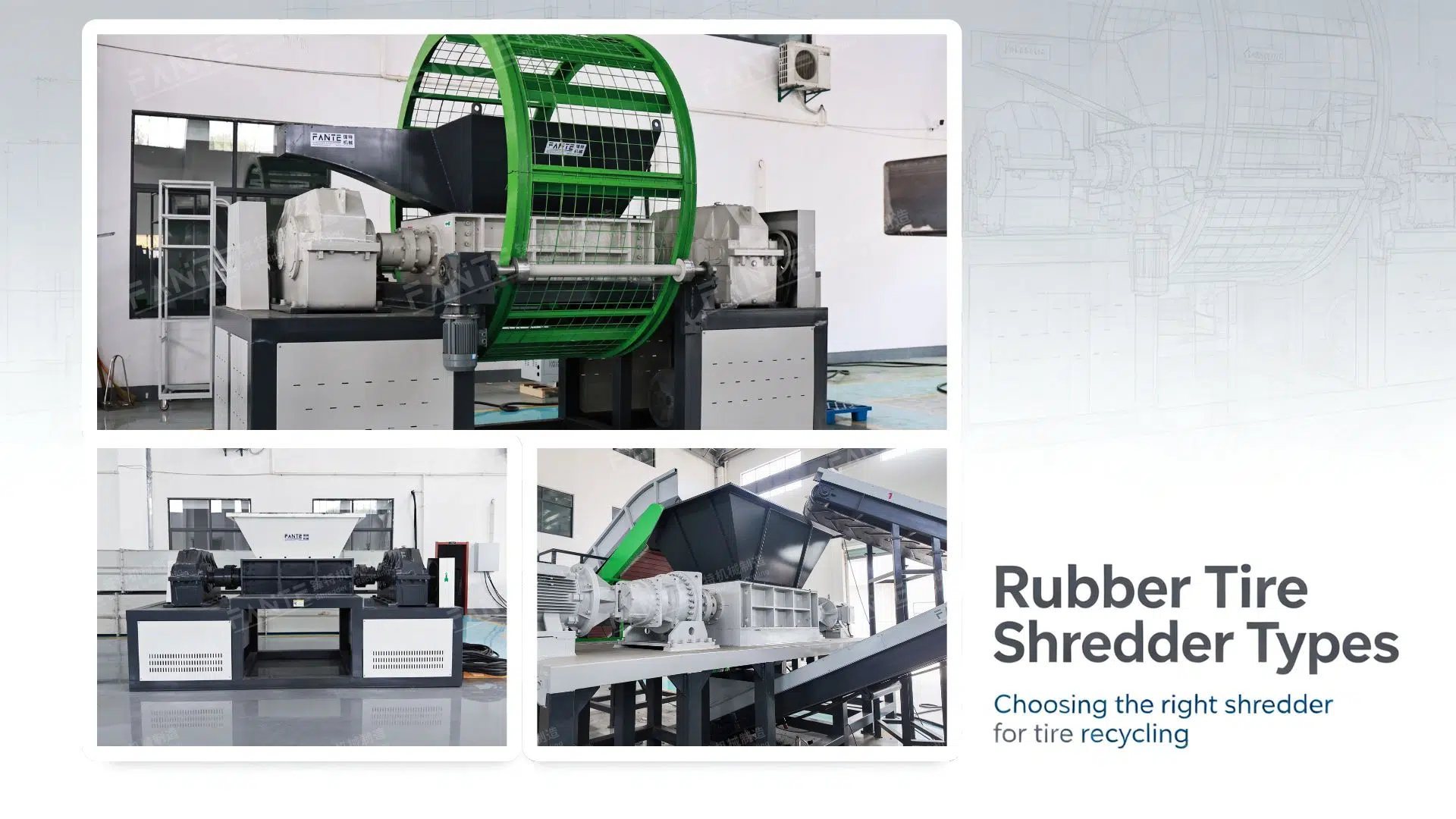
The recycling process starts with reducing whole tires into smaller pieces.
Waste tires contain strong rubber structures and steel reinforcement, making direct processing difficult. A heavy-duty tire shredder is used to cut tires into manageable rubber chips.
The tire shredding stage helps:
- Reduce tire volume
- Improve material handling
- Prepare tires for further processing
For large-scale recycling plants, stable shredding performance is essential for continuous production.
Step 2: Steel Wire Separation
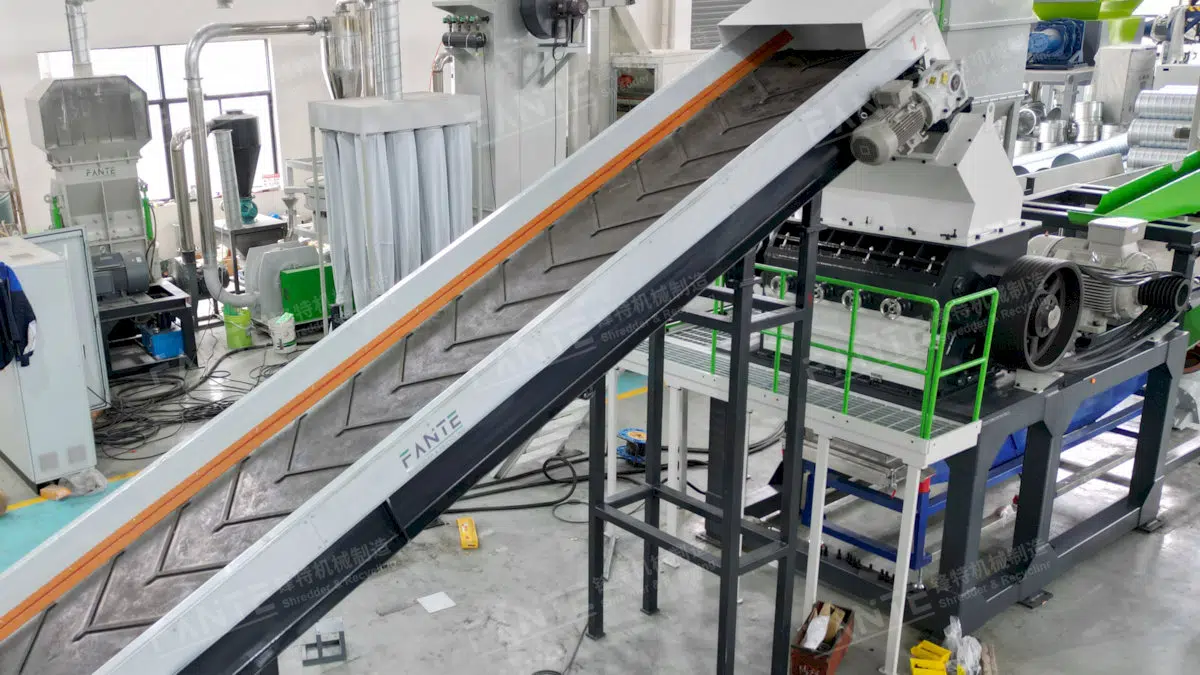
Passenger tires, truck tires, and OTR tires contain steel wires that must be removed before producing clean rubber particles.
Magnetic separation equipment separates steel from shredded tire material.
Effective steel wire removal using a tire rasper offers the following benefits:
- Improves rubber purity
- Protects downstream equipment
- Creates additional income from recovered steel
A clean rubber material base is important for producing high-quality crumb rubber.
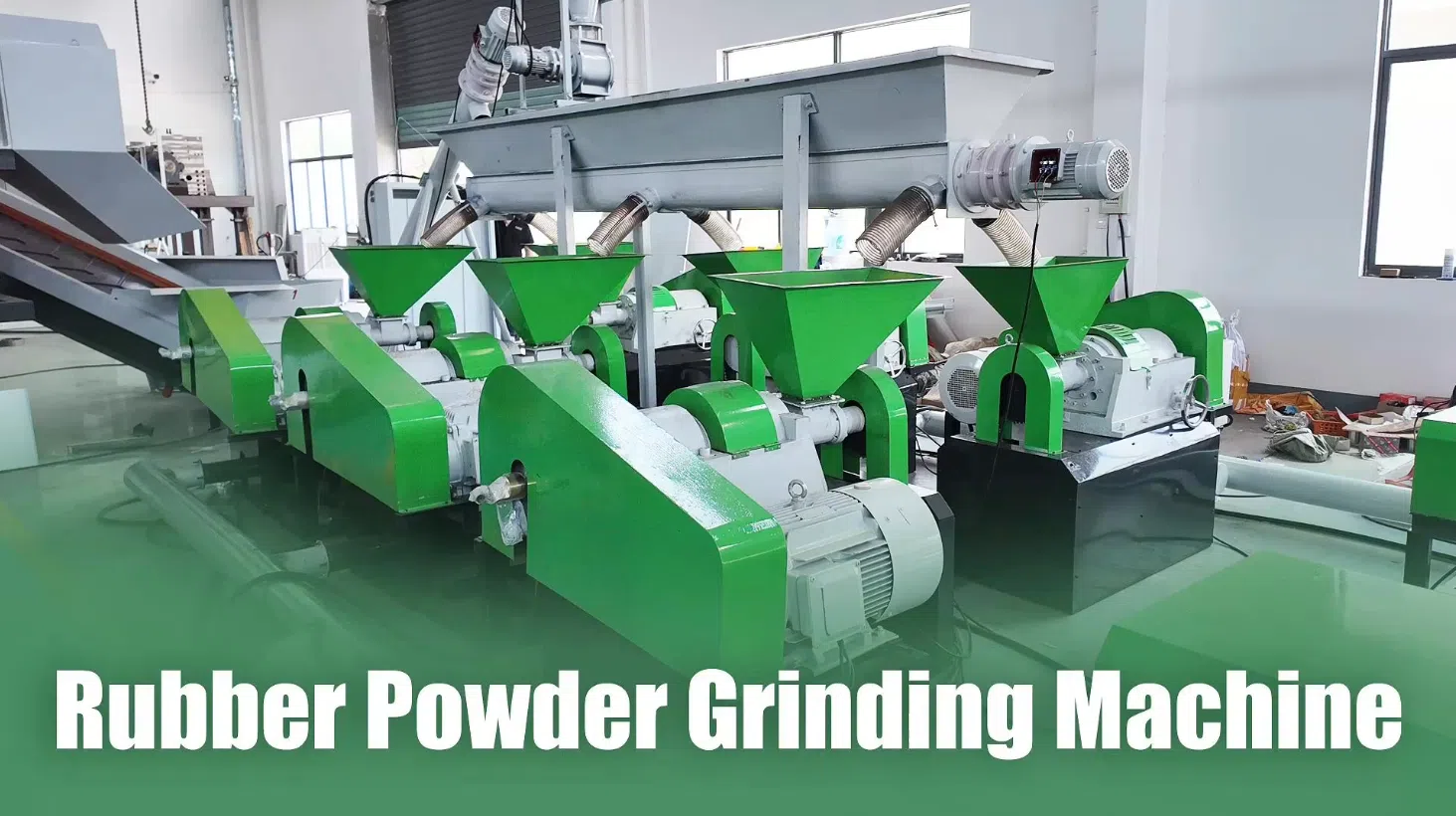
Step 3: Fine Grinding and Particle Size Control
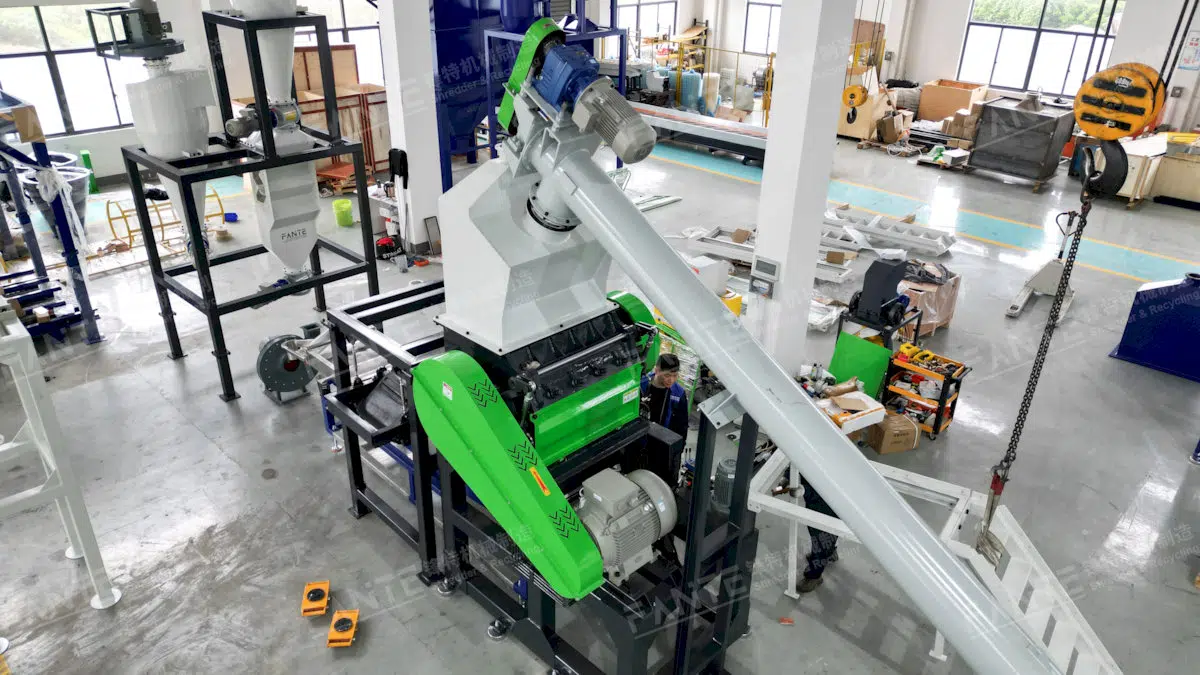
After steel removal, rubber chips are processed into smaller particles.
This stage uses specialized grinding equipment to reduce rubber pieces to the required size.
A rubber granulator plays an important role in this process by producing consistent rubber particles through controlled cutting and grinding.
The final particle size depends on:
- Screen specifications
- Processing speed
- Material characteristics
- Customer requirements
For producing 4mm crumb rubber, the system must maintain stable output size and minimize excessive powder generation.
Step 4: Fiber Separation
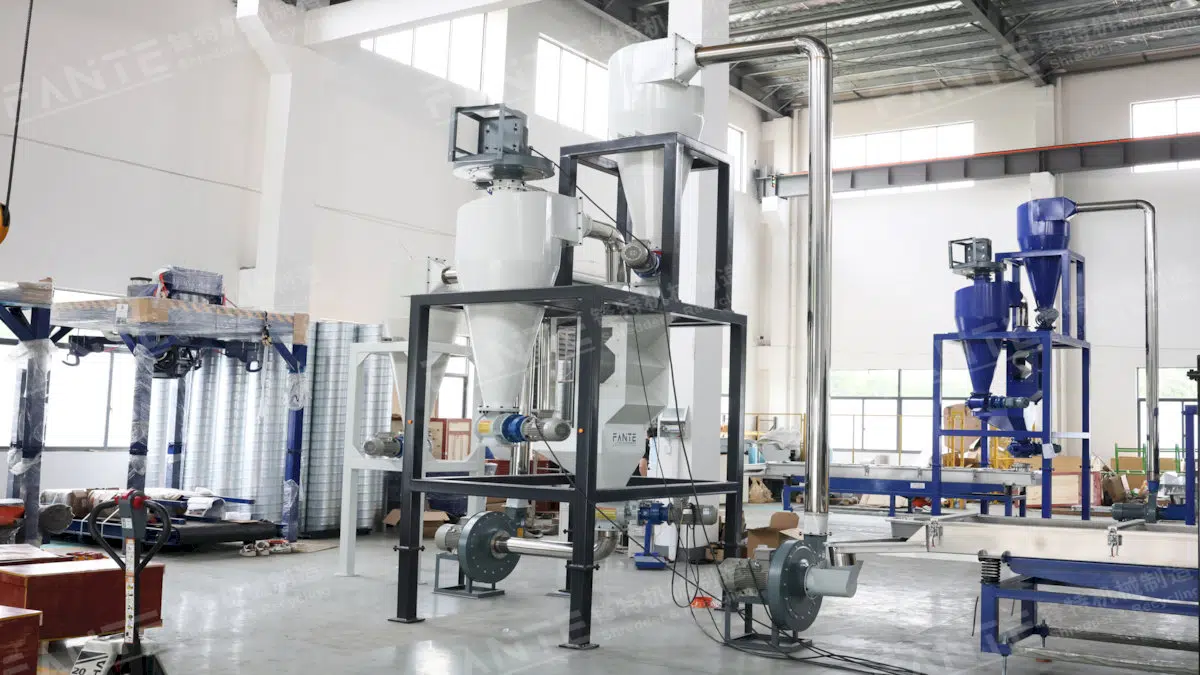
Waste tires also contain textile fibers that can affect rubber quality.
During grinding, these fibers are released and mixed with rubber particles. A fiber separation system uses airflow technology to remove lightweight materials.
This improves:
- Rubber purity
- Product appearance
- Application performance
Effective fiber removal is especially important for customers requiring cleaner recycled rubber products.
Step 5: Screening and Final Quality Control
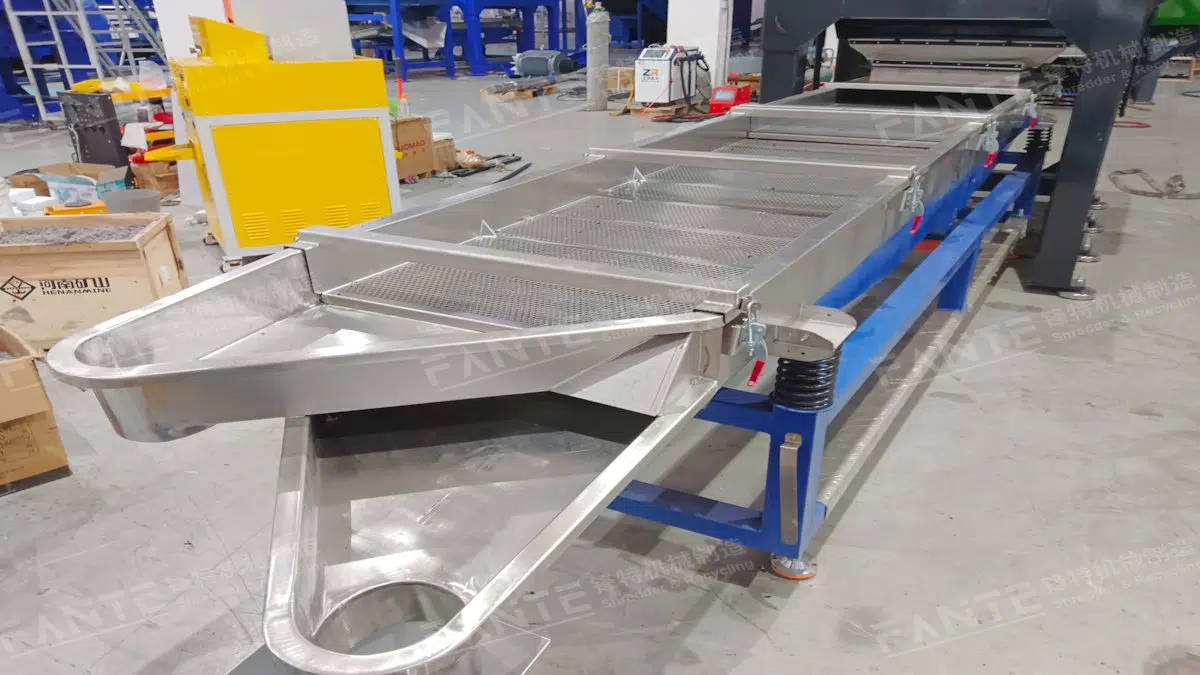
After grinding and separation, the rubber particles are screened to achieve the required size range.
The screening process ensures:
- Consistent particle size
- Reduced oversized materials
- Stable product quality
The finished 4mm crumb rubber can then be packaged and supplied for different industries.
What Are the Applications of 4mm Crumb Rubber?
4mm crumb rubber has many practical applications due to its durability and elasticity.
Rubber Flooring
Recycled rubber particles are widely used for:
- Gym flooring
- Industrial floors
- Playground surfaces
They provide impact resistance and long service life.
Sports Surfaces
Crumb rubber is commonly used in:
- Running tracks
- Artificial turf systems
- Sports fields
Its elasticity improves safety and comfort for athletes.
Rubber Mulch
In landscaping applications, recycled rubber provides a durable alternative to traditional materials.
Advantages include:
- Weather resistance
- Low maintenance requirements
- Long service life
Rubber Modified Asphalt
Crumb rubber can be added to asphalt mixtures to improve road performance.
Benefits include:
- Better flexibility
- Improved durability
- Reduced road cracking
Industrial Rubber Products
Recycled rubber particles can also be used in manufacturing various rubber products, helping reduce dependence on virgin rubber materials.
Why Is 4mm Crumb Rubber Popular in Tire Recycling?
For recycling companies, 4mm crumb rubber offers a good balance between production efficiency and market demand.
Compared with very fine rubber powder production:
- Lower energy consumption
- Higher production capacity
- Easier processing
- Wider application range
This makes it an attractive product for businesses entering the waste tire recycling industry.
Conclusion
Producing 4mm crumb rubber from waste tires requires an efficient recycling process that combines shredding, steel separation, grinding, fiber removal, and screening.
With proper equipment configuration, waste tires can be transformed into valuable recycled materials for multiple industries.
Advanced processing technology, including a reliable rubber granulator, helps recycling companies achieve stable particle size, high-quality output, and better economic returns while supporting sustainable resource utilization.