






Mining, construction, and industrial vehicles rely on massive off-the-road tires (OTR tires) to operate in extreme working environments. However, these large tires become a significant waste challenge once they reach the end of their service life.
Unlike passenger car tires, OTR tires are much larger, heavier, and contain stronger rubber and steel structures. Their size and durability make traditional recycling methods difficult. A specialized recycling process is required to efficiently reduce these oversized tires into reusable materials.
With advanced recycling technology, discarded OTR tires can be transformed into valuable products such as rubber chips, rubber granules, recovered steel, and alternative fuel materials.
What Makes OTR Tire Recycling Different From Regular Tire Recycling?
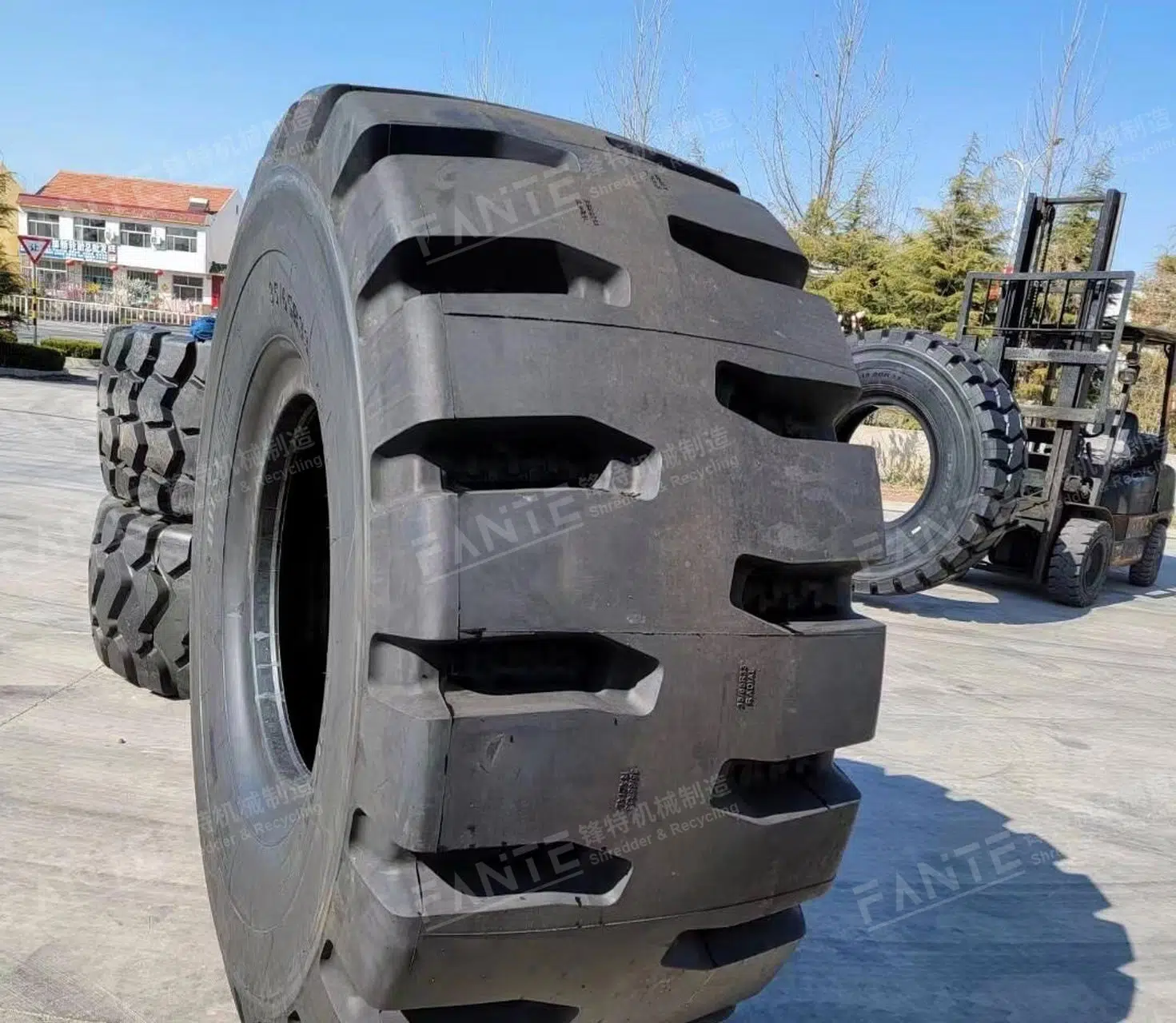
OTR tires are commonly used on:
- Mining trucks
- Construction equipment
- Agricultural machinery
- Port handling vehicles
- Heavy industrial equipment
These tires can weigh hundreds or even thousands of kilograms, depending on their size.
Compared with standard vehicle tires, OTR tires have:
- Larger dimensions
- Thicker rubber layers
- Stronger steel reinforcement
- Higher processing requirements
Because of these characteristics, recycling facilities need heavy-duty equipment designed specifically for oversized tire processing.
How Does the OTR Tire Recycling Process Work?
A complete recycling process usually includes several key stages to efficiently recover rubber, steel, and other valuable materials.
Step 1: Tire Preparation and Cutting
Before entering the recycling system, oversized tires may require initial cutting or size reduction.
Large OTR tires cannot always be directly processed by standard shredders. Pre-cutting helps reduce the tire size and improves feeding efficiency.
This preparation stage helps:
- Reduce equipment load
- Improve material flow
- Increase processing stability
Step 2: Primary Tire Shredding
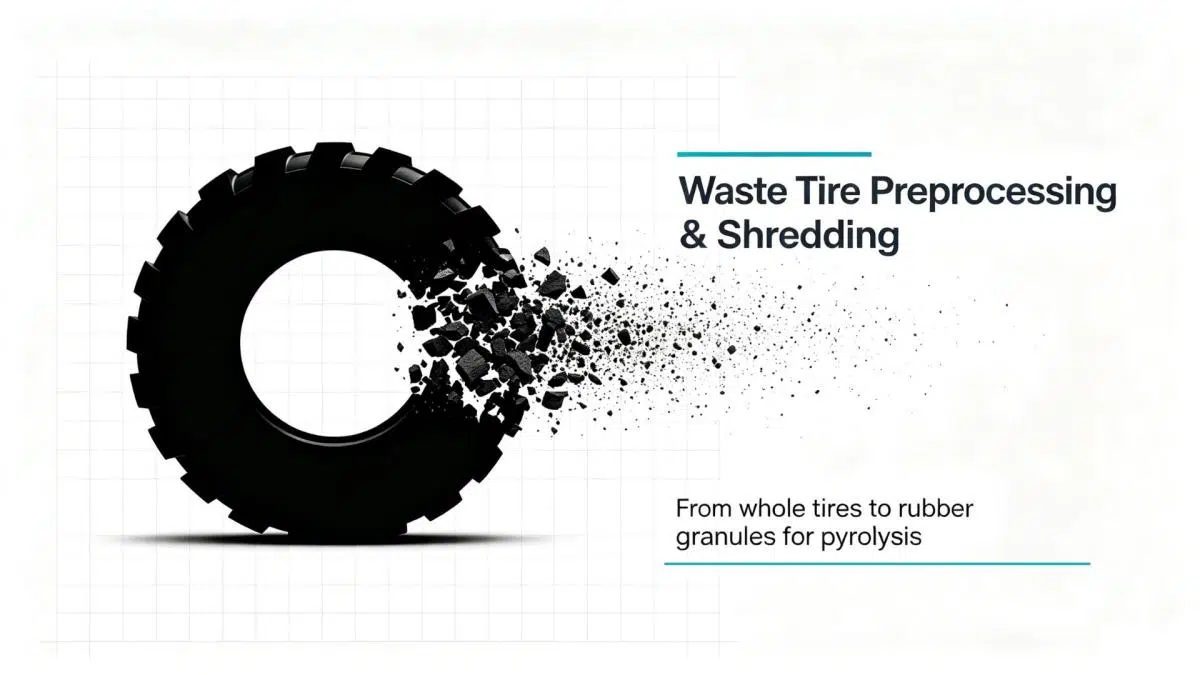
The main purpose of shredding is to break large tires into manageable rubber pieces.
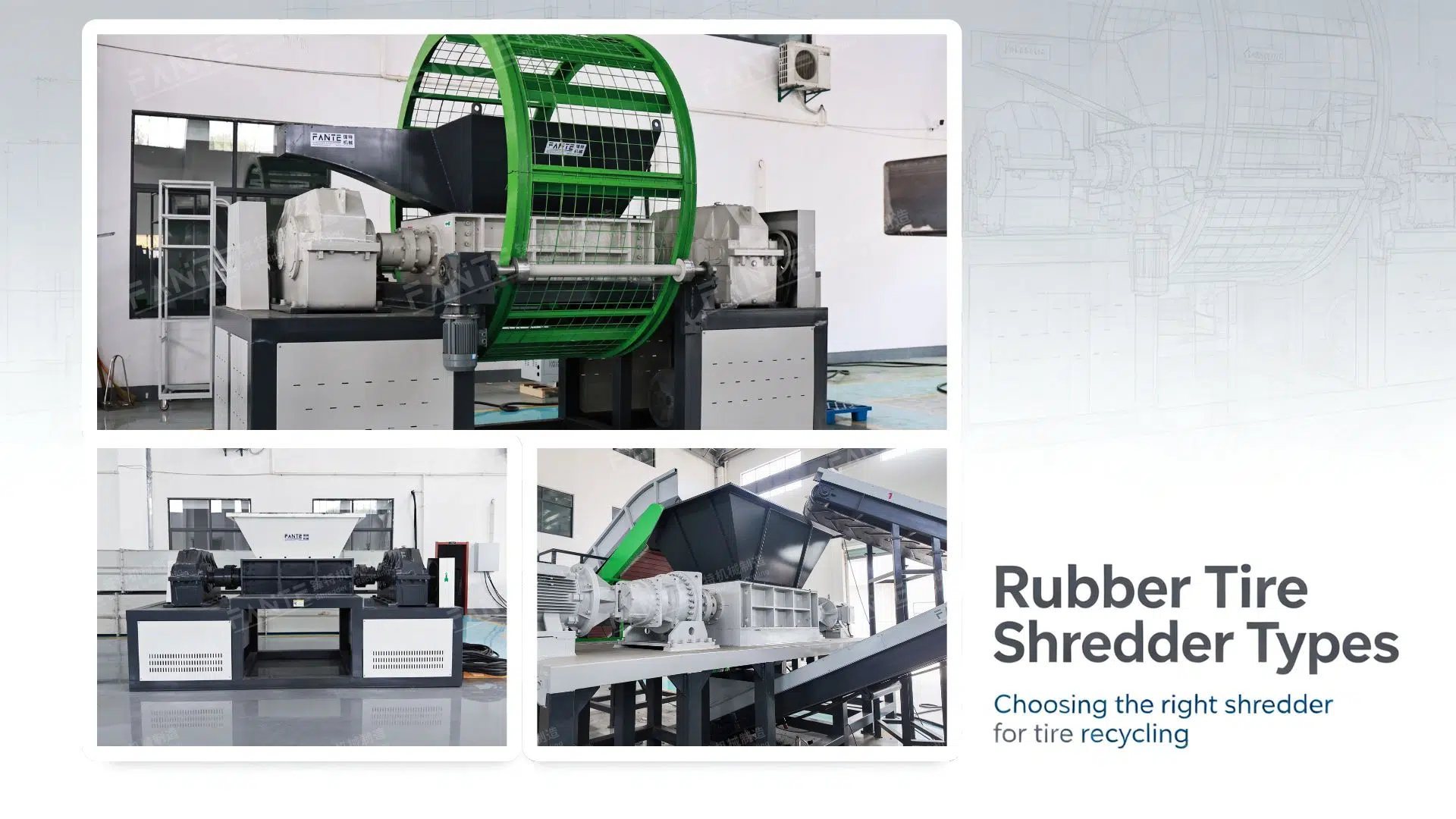
A heavy-duty otr tire recycling machine is designed with high torque and strong cutting performance to handle thick rubber and reinforced steel structures.
During this stage, the tire is typically reduced into larger rubber chips suitable for further processing or direct applications such as tire-derived fuel (TDF).
The advantages of industrial shredding include:
- Continuous operation
- High processing capacity
- Stable output size
- Lower manual handling requirements
Step 3: Steel Wire Separation
OTR tires contain large amounts of steel reinforcement that must be separated from rubber materials.
Magnetic separation systems are used to recover steel after shredding.
Effective steel removal provides several benefits:
- Improves rubber purity
- Increases recovered steel value
- Protects downstream equipment
Recovered steel can be sold as scrap material or reused in metal processing industries.
Step 4: Rubber Granulation and Further Processing
After primary shredding and steel separation, rubber pieces can be processed into smaller particles.
Depending on the final application, recycled rubber can be further processed into:
- Rubber chips
- Rubber granules
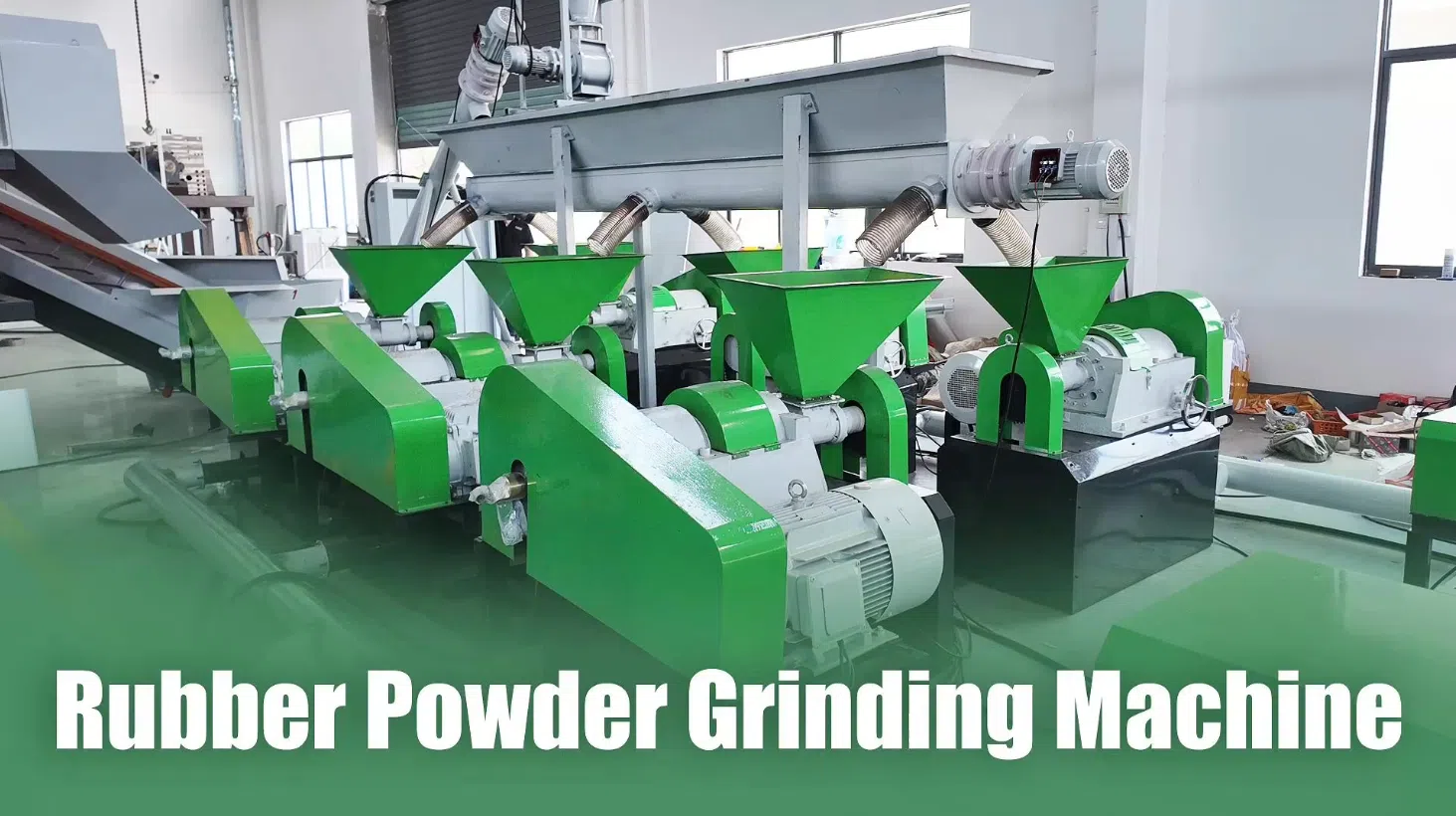
- Rubber powder
Fine processing requires additional grinding and separation equipment to achieve consistent particle sizes.
What Equipment Is Needed for OTR Tire Recycling?
A professional recycling system usually includes:
Heavy-Duty Tire Shredder
Used to process oversized tires into smaller rubber pieces.
Steel Separation Equipment
Removes steel wires from shredded materials.
Rubber Processing Equipment
Reduces rubber chips into required particle sizes.
Fiber Separation System
Removes textile materials and improves rubber purity.
Conveying and Sorting System
Ensures continuous material transportation throughout the production line.
The equipment configuration depends on tire size, processing capacity, and final product requirements.
What Are the Benefits of Investing in OTR Tire Recycling?
1. Handle Difficult Waste Materials
OTR tires are challenging to dispose of due to their size. Professional recycling equipment provides an efficient solution for processing these materials.
2. Create Additional Revenue
Recovered rubber and steel can generate economic value while reducing disposal costs.
3. Support Environmental Goals
Recycling prevents large tires from entering landfills and supports sustainable resource utilization.
4. Build a Long-Term Recycling Business
With increasing demand for recycled materials, OTR tire processing offers opportunities for companies involved in waste management and resource recovery.
How to Choose the Right OTR Tire Recycling Equipment?
Before investing in a recycling system, companies should consider:
Tire Size Range
Equipment must match the maximum tire dimensions and weight.
处理能力
The system should meet daily material availability and production targets.
Final Product Requirements
Different applications require different output sizes and purity levels.
Equipment Reliability
Heavy-duty components and professional technical support are essential for long-term operation.
结论
Recycling oversized tires requires specialized technology and reliable equipment. Through advanced shredding, separation, and processing methods, waste OTR tires can be converted into valuable resources instead of becoming environmental burdens.
A properly designed OTR tire recycling system helps businesses recover rubber, steel, and alternative fuel materials efficiently. By selecting the right otr tire recycling machine, recycling companies can improve production efficiency, reduce operating costs, and develop sustainable solutions for the growing challenge of oversized tire waste.