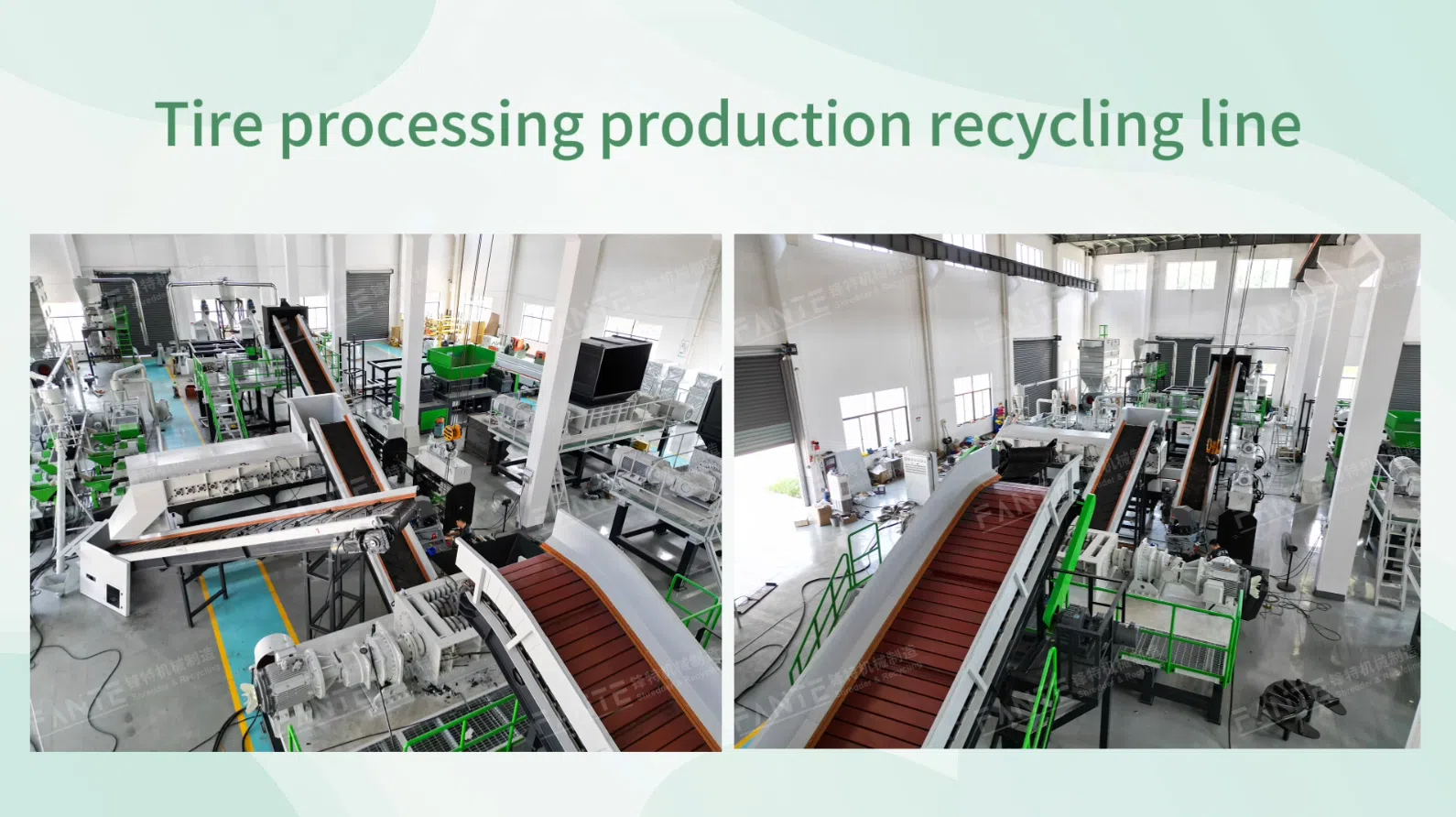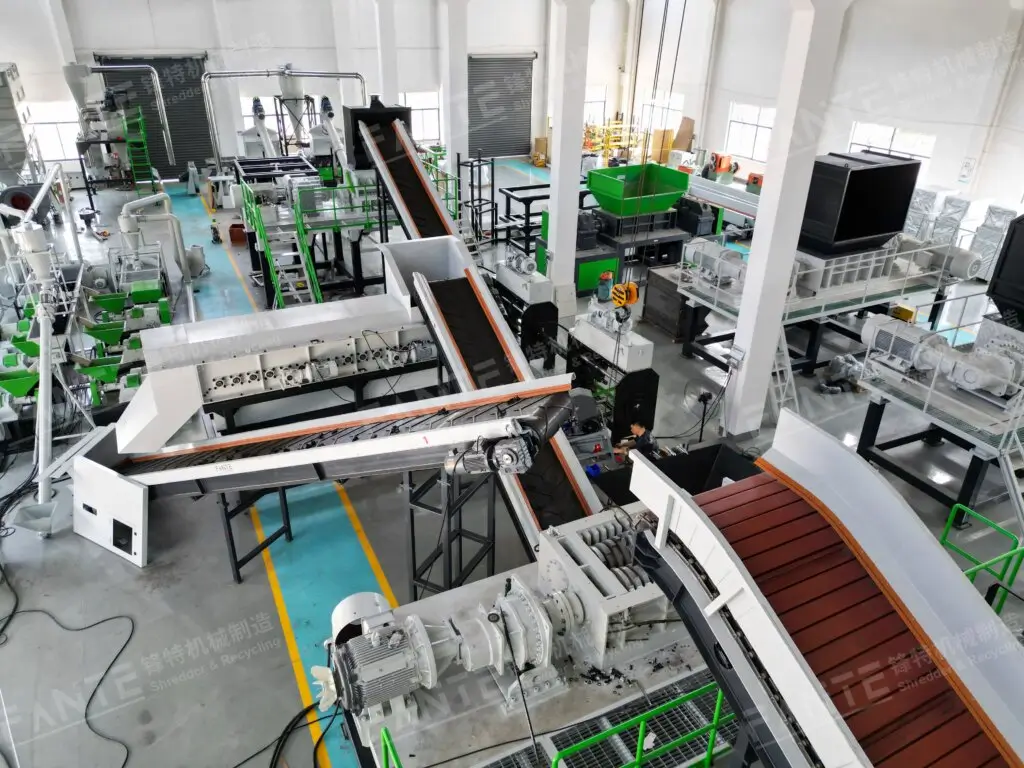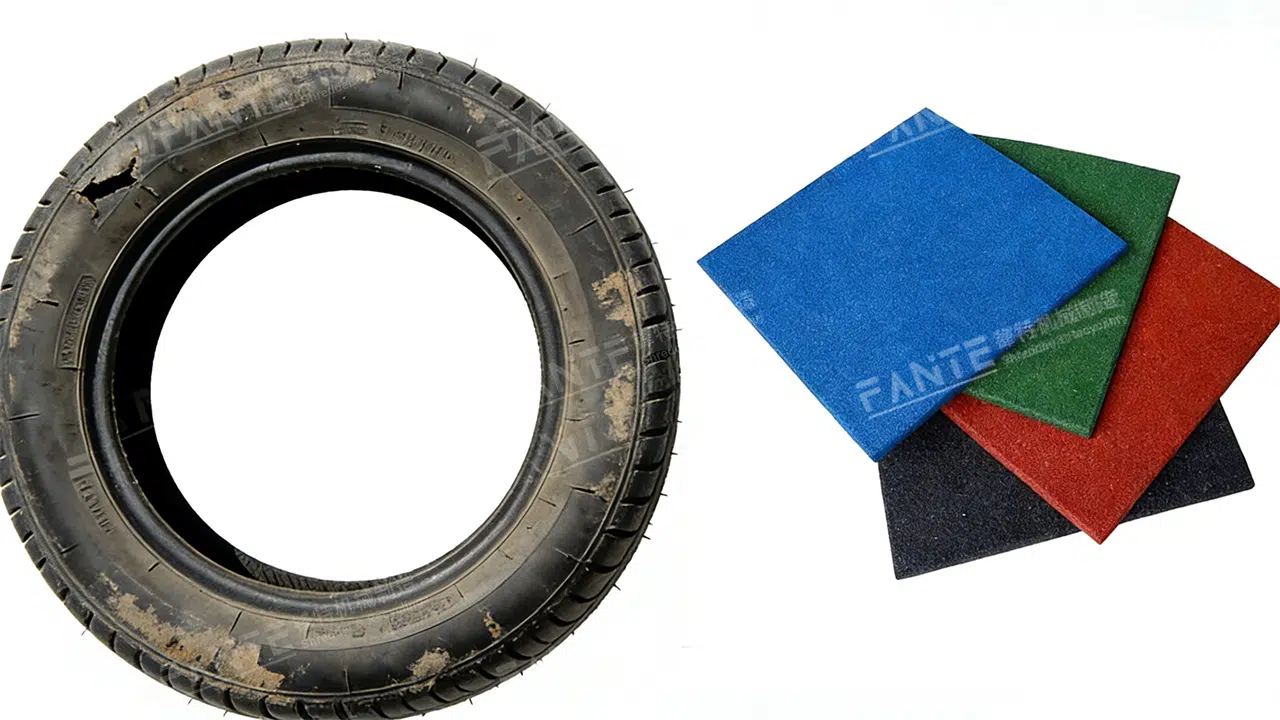







In today’s resource-constrained and environmentally regulated industrial landscape, tyre recycling has evolved from a waste management necessity into a high-value recovery process. End-of-life tyres (ELTs) present both an environmental challenge and a significant opportunity for material recovery, energy generation, and circular economy integration. With the advancement of modern processing technologies, tyre recycling delivers measurable economic and ecological benefits.
1. Reducing Environmental Impact
Discarded tyres are non-biodegradable and occupy large volumes in landfills. Moreover, improper disposal can lead to fire hazards and toxic emissions. Through controlled mechanical processing, tyre recycling minimizes landfill dependency and mitigates environmental risks.
By converting waste tyres into reusable materials such as rubber granules, steel, and textile fibers, the process significantly reduces pollution while promoting sustainable resource utilization.
2. Resource Recovery and Material Reuse
Tyres are composed of valuable raw materials, including natural and synthetic rubber, high-strength steel, and reinforcing fibers. Advanced recycling systems enable efficient separation and recovery of these components.
Recovered rubber can be reused in applications such as:
- Rubberised asphalt for road construction
- Sports surfaces and playground mats
- Industrial rubber products
Steel extracted during the process can be directly reintroduced into metallurgical industries, reducing the demand for virgin raw materials.
3. Economic Value Creation
Tyre recycling is not only environmentally beneficial but also economically viable. The processed outputs—such as rubber crumb and tyre-derived fuel (TDF)—have strong market demand.
Businesses investing in a tyre recycling machine can establish stable revenue streams by supplying recycled materials to construction, manufacturing, and energy sectors. Additionally, governments in many regions provide incentives and regulatory support for recycling initiatives, further improving return on investment.
4. Energy Recovery Potential
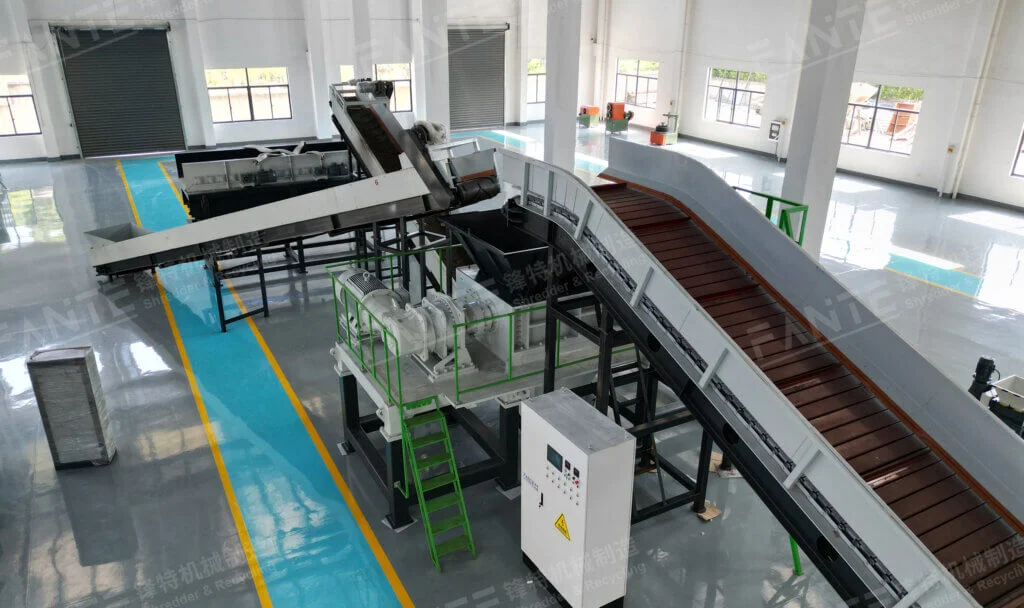
In addition to material recycling, waste tyres can be utilized as an alternative energy source. Tyre-derived fuel offers a high calorific value, comparable to traditional fossil fuels, making it suitable for cement kilns, power plants, and industrial boilers.
This dual approach—material recovery combined with energy utilization—maximizes the overall efficiency of tyre recycling operations.
5. Advancements in Recycling Technology
Modern tyre recycling systems integrate shredding, granulation, magnetic separation, and air classification technologies to achieve high automation and output consistency.
A high-performance tyre recycling machine ensures:
- Uniform particle size distribution
- High purity of recovered materials
- Low operational and maintenance costs
These technological advancements enable manufacturers to meet strict environmental and quality standards while maintaining operational efficiency.
6. Supporting the Circular Economy
Tyre recycling plays a critical role in the transition toward a circular economy. By transforming waste into valuable secondary raw materials, industries can reduce reliance on finite natural resources and lower their carbon footprint.
Furthermore, the integration of recycling systems into industrial value chains enhances sustainability credentials and aligns with global environmental policies.
Заключение
Tyre recycling represents a strategic solution for addressing environmental challenges while unlocking economic potential. With the adoption of advanced processing technologies and efficient tyre recycling machine systems, businesses can achieve sustainable growth and contribute to global resource conservation.
As regulatory pressures increase and sustainability becomes a core industrial priority, tyre recycling will continue to play a vital role in shaping a cleaner and more resource-efficient future.