






Why recycle waste tires?
The total amount of waste tires in my country each year has long been among the top in the world. According to data released by the Ministry of Industry and Information Technology, my country produced approximately 330 million discarded tires in 2019, including about 290 million scrapped car tires, which accounted for 88%. The number of discarded tires in our country will continue to grow, with an annual growth rate of 8% to 10%.
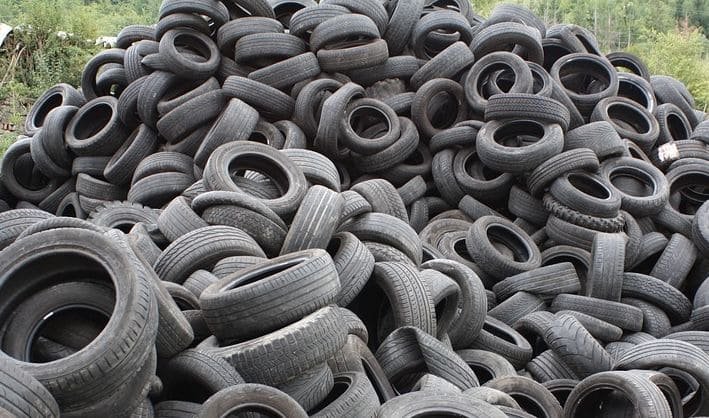
Recycling industries refer to waste tires as “black pollution.” The large accumulation of discarded tires not only takes up land but also seriously damages the environment. Since the time required for tire decomposition is uncertain, waste tires cannot biodegrade. The heavy metal elements such as lead, chromium, and cadmium contained in them may pose a threat to human health and the environment if not handled and managed properly. Waste tires stacked in the open for a long time not only occupy a large amount of land resources, but also easily breed mosquito-borne diseases, seriously damage the natural environment, and present fire hazards. Therefore, how to deal with the increasing amount of waste tires has become an urgent environmental issue and a support issue for industrial development.
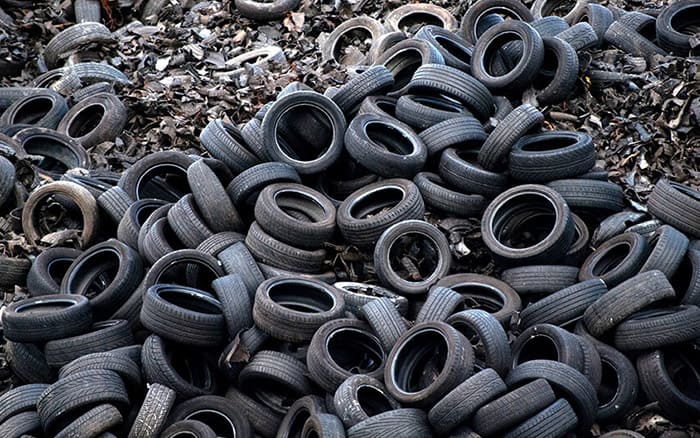
In addition to conventional treatment methods, waste tires can be recycled through измельчители шин, tire recycling systems, tire shredding machine and other equipment to further promote the resource utilization of waste tires.
Application of the tire shredder
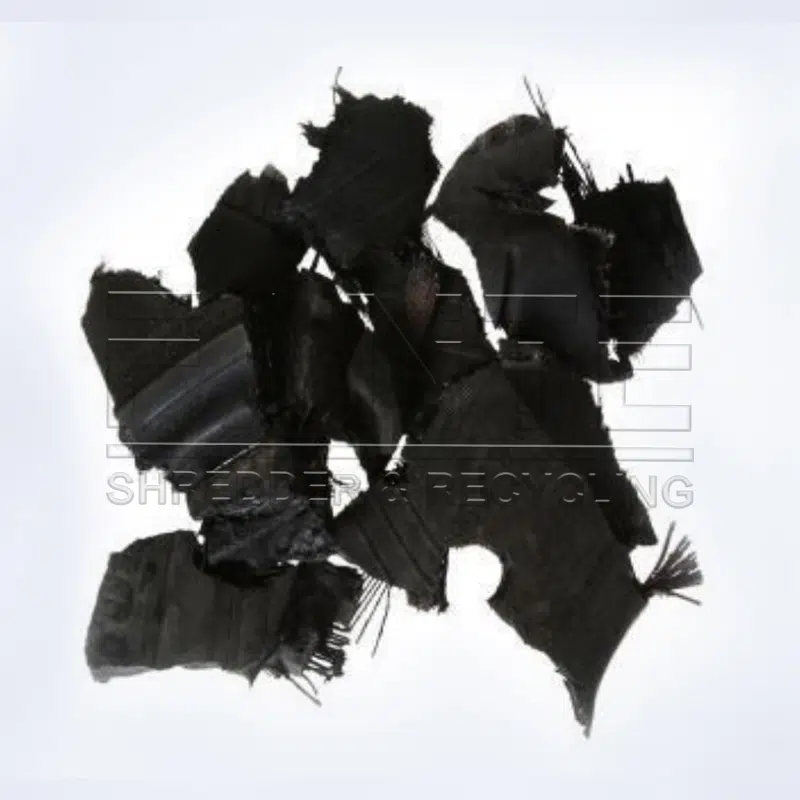
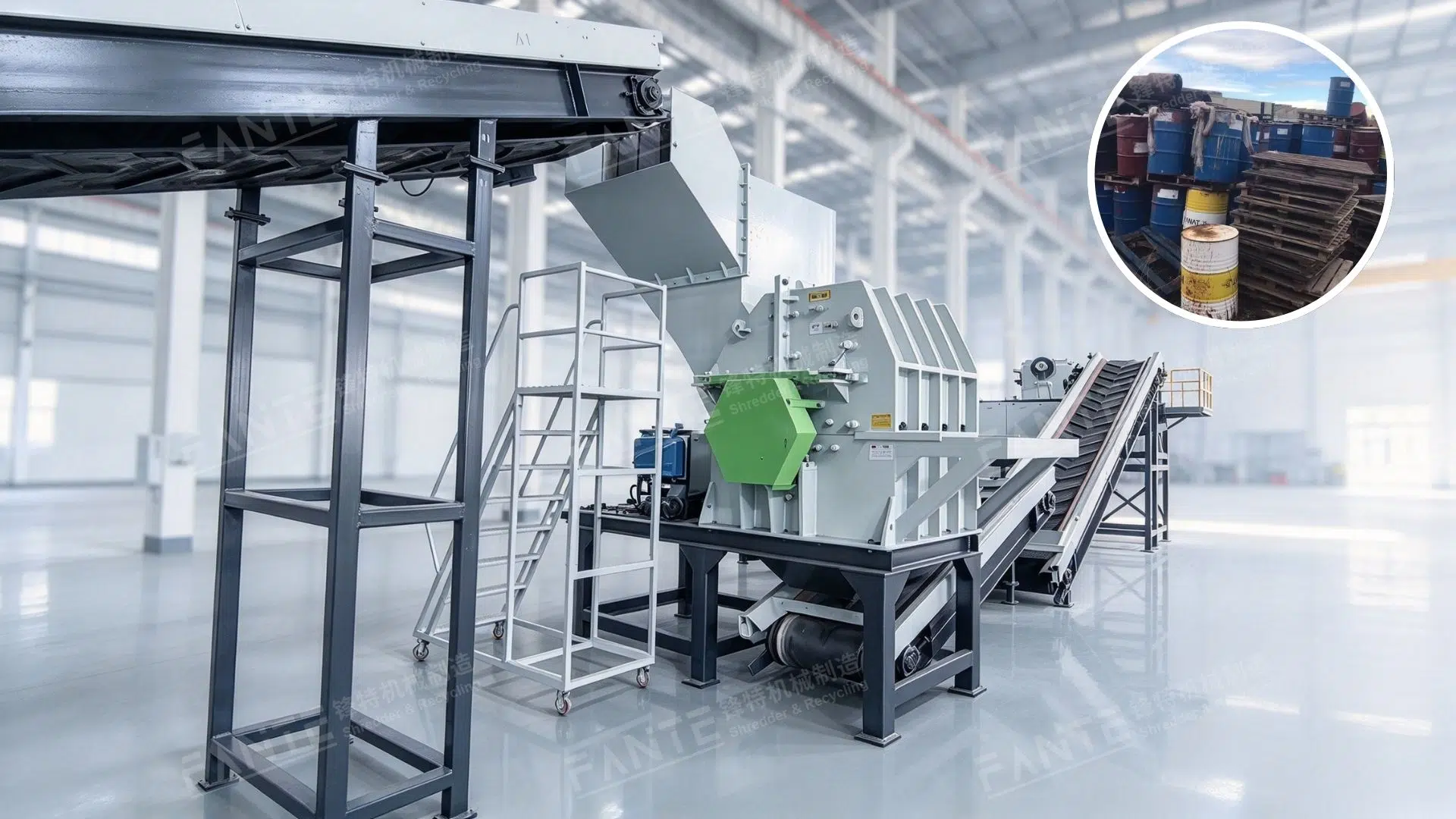
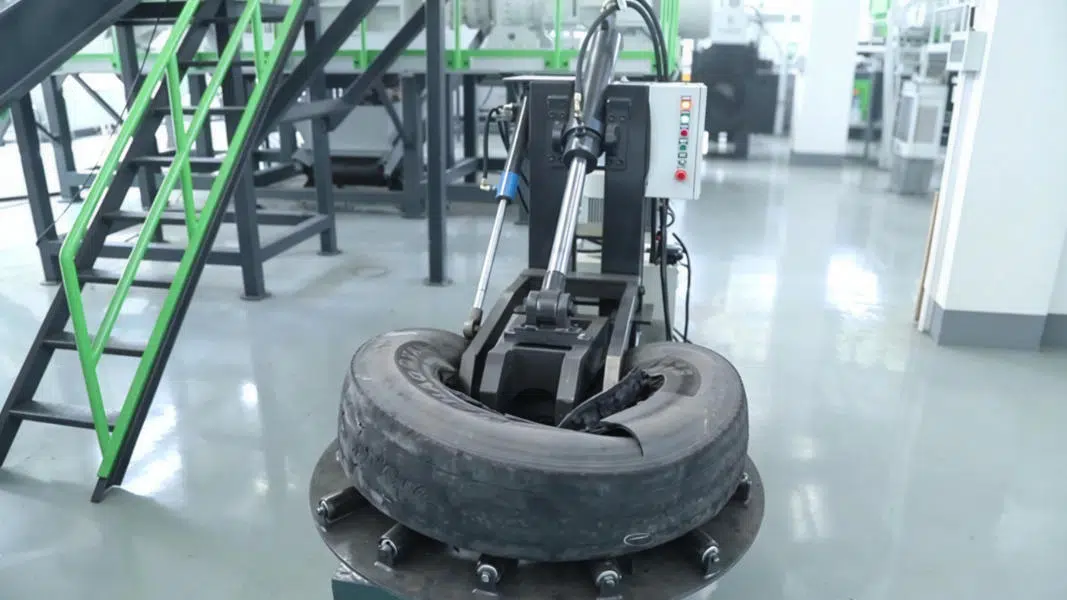
A tire shredder is one of the important tools for waste tire processing. Tire shredder efficiently shreds waste tires into small pieces, making subsequent processing easier. This equipment ensures efficient shredding and fine shredding of tires, creating more favorable conditions for other processing stages.
Innovations in tire recycling systems
The introduction of advanced tire recycling systems can convert waste tires into usable resources more efficiently. These systems use innovative technology to separate different parts of the tire, such as rubber, metal, and fiber, for more precise recycling and reuse. Tire recycling systems play a key role in resource recovery, providing a sustainable source of resources while reducing waste.
Automation of the tire shredding machine
The automation technology of the tire shredding machine continues to develop, making the processing of scrap tires more intelligent and efficient. By introducing advanced automated control systems, the tire shredding machine can more accurately control the shredding process, improve production efficiency, reduce manual intervention, and reduce labor costs.
Waste tires can be processed through various methods, We apply technologies including prototype utilization, old tire retreading, recycling, auxiliary fuel conversion, thermal cracking, and power generation processing.
Переработка
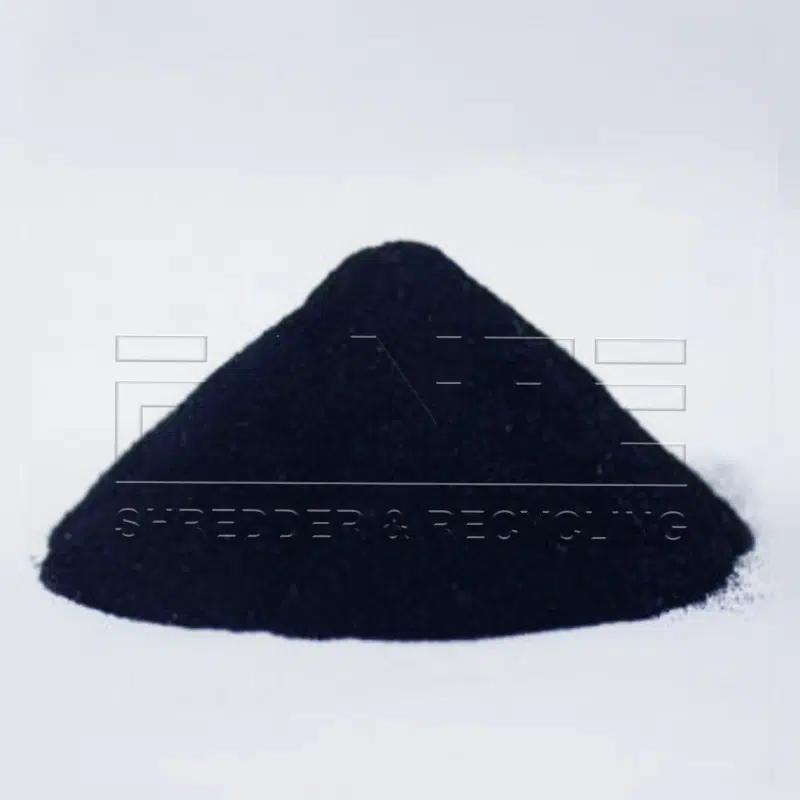
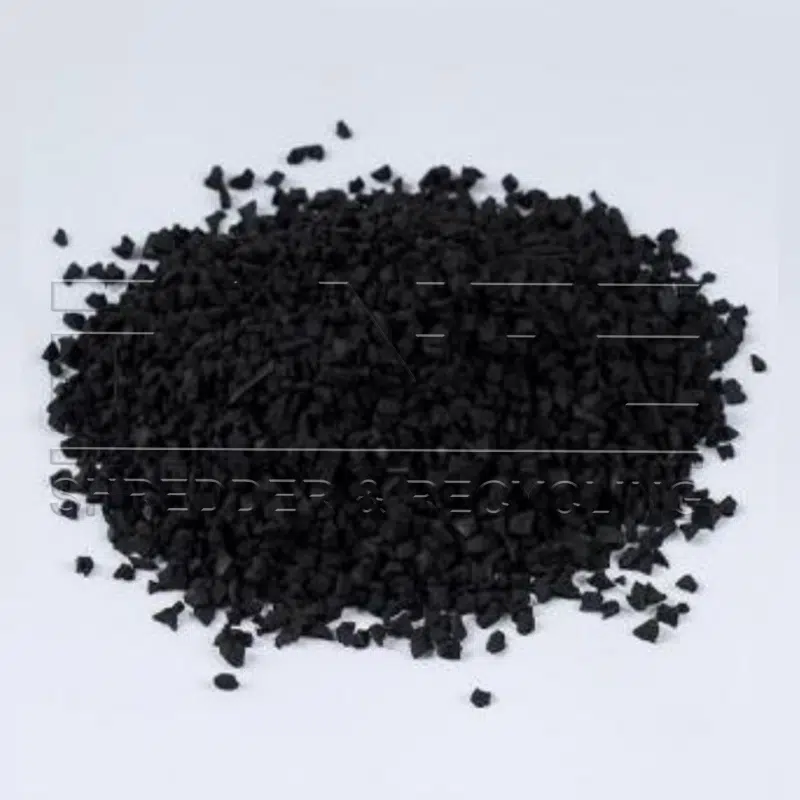
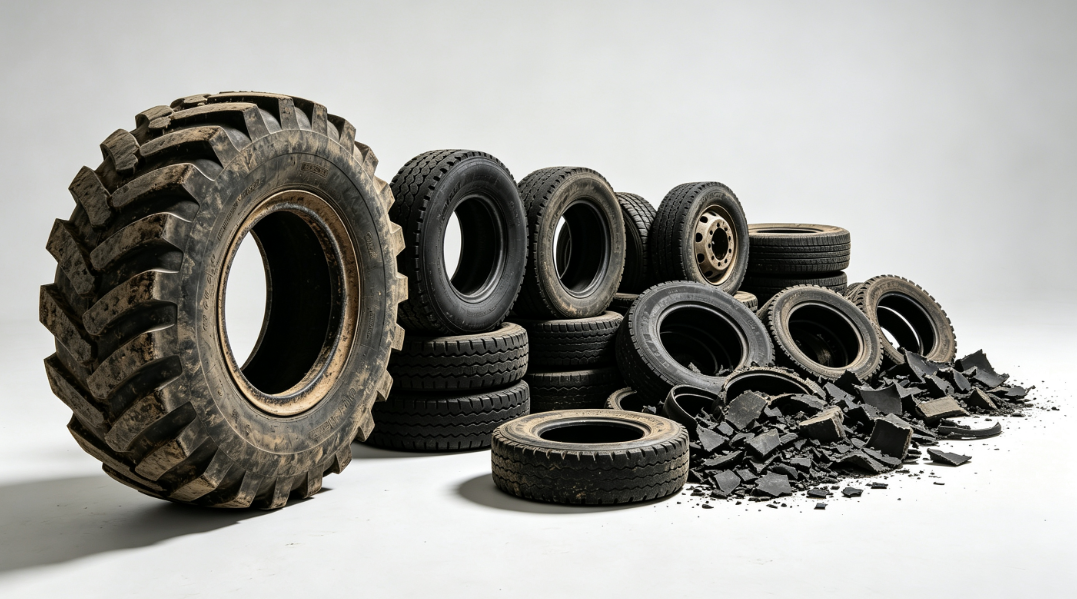
We can crush waste tires into rubber powder and widely apply it in highways, airport runways, flame-retardant materials, rubber and plastic soles, waterproof materials, sports runways, and other fields. We can also desulfurize the rubber powder and use it to produce rubber products, including hoses and tapes.
Auxiliary fue
The calorific value of waste tires is over 8,000 kcal, which is 5,000 kcal higher than that of coal. The ash remaining after combustion is also equivalent to that of coal, so it is very suitable for industries that require high thermal energy. In the United States, Japan, and many European countries, many cement plants, power plants, paper mills, steel plants, and smelting plants use waste tires as fuel, with good results and reducing corporate production costs to a certain extent.
Thermal cracking
The principle of thermal cracking is to place waste tires in an oxygen-deficient or inert gas for incomplete thermal degradation, which can produce liquid and gaseous hydrocarbons and carbon residues. This technology first crushes the waste tires into pieces and then sends them to the thermal cracking reactor. After heating in the reactor, the material undergoes a thermal decomposition reaction. Gaseous products then enter a condenser to separate fuel oil from water vapor. The system collects condensed fuel oil for reuse as fuel, while it desulfurizes separated non-condensable flammable gas and sends it to a gas generator for power generation. This process effectively prevents secondary air pollution. A small portion of the generated electricity powers the thermal cracking system itself. Most of the electricity can be fed into the power grid for external supply. The main solid product remaining in the reactor is crude carbon black. Magnetic separation is used to separate steel wire from crude carbon black. Further refining of crude carbon black produces commercial‑grade carbon black products.