






With millions of waste tires generated every year, finding sustainable ways to reuse them has become an important challenge for the recycling industry. Instead of sending used tires to landfills, many recycling companies transform them into valuable products such as rubber mulch, playground surfaces, landscaping materials, and safety flooring.
Producing high-quality rubber mulch requires an efficient recycling process that can remove steel and fiber while creating uniform rubber particles. A complete tire recycling system helps convert discarded tires into clean and reusable rubber materials for various applications.
This article explains how waste tires become rubber mulch and what equipment is required to achieve stable production.
What Is Rubber Mulch Made From?
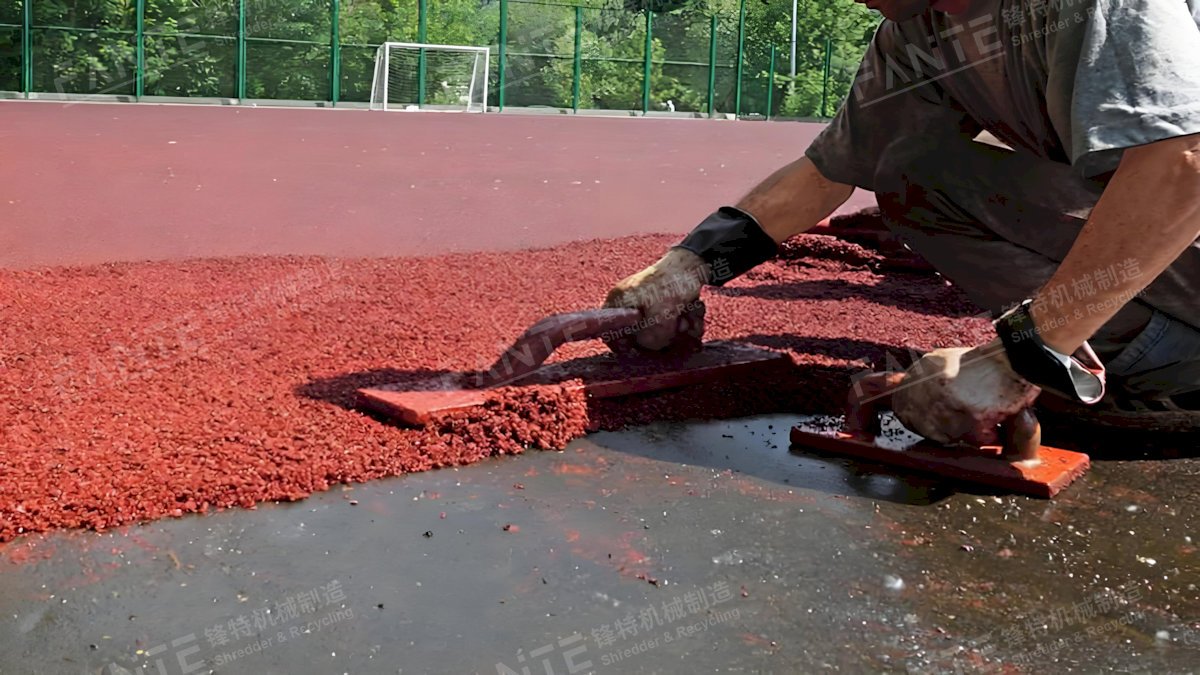
Rubber mulch is a recycled material produced mainly from end-of-life tires. Unlike traditional wood mulch, recycled rubber mulch offers longer service life, better durability, and resistance to weather conditions.
The production process removes unwanted materials from waste tires, including:
- Steel wires
- Textile fibers
- Other contaminants
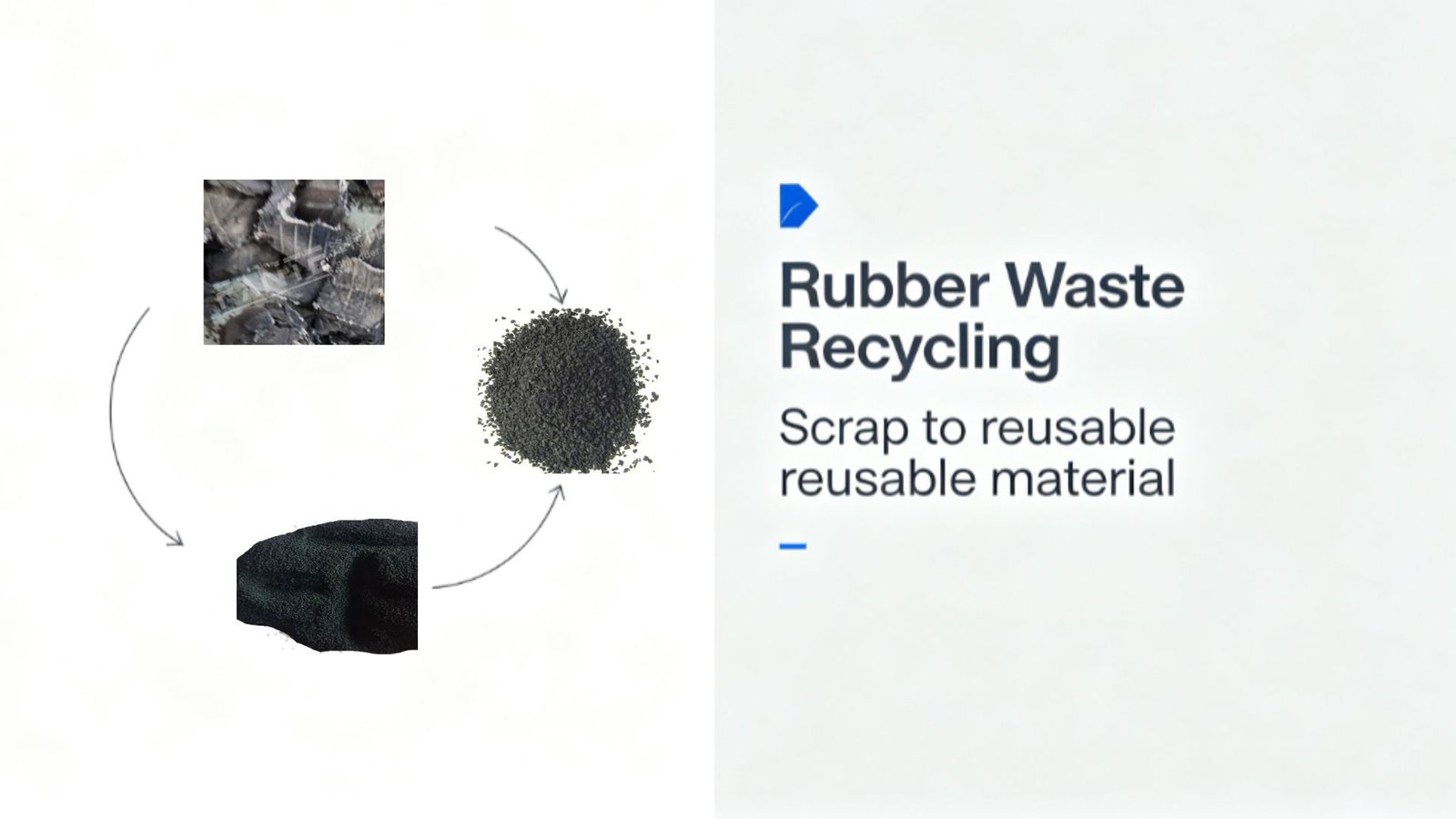
After processing, the remaining rubber material is cut into different sizes depending on the final application.
Common rubber mulch applications include:
- Playground safety surfaces
- Garden and landscape decoration
- Walking paths
- Sports facilities
- Animal areas
How Are Waste Tires Converted into Rubber Mulch?
The production of rubber mulch involves several important processing stages.
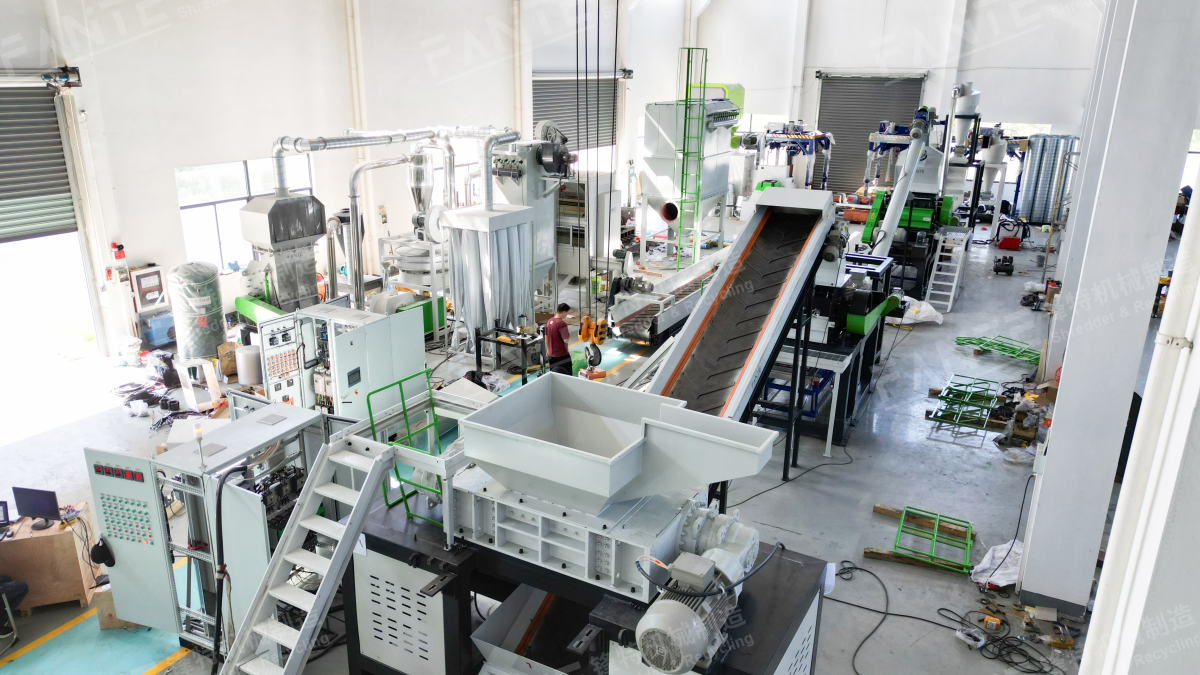
Step 1: Tire Shredding and Size Reduction
The first step is reducing whole tires into smaller pieces.
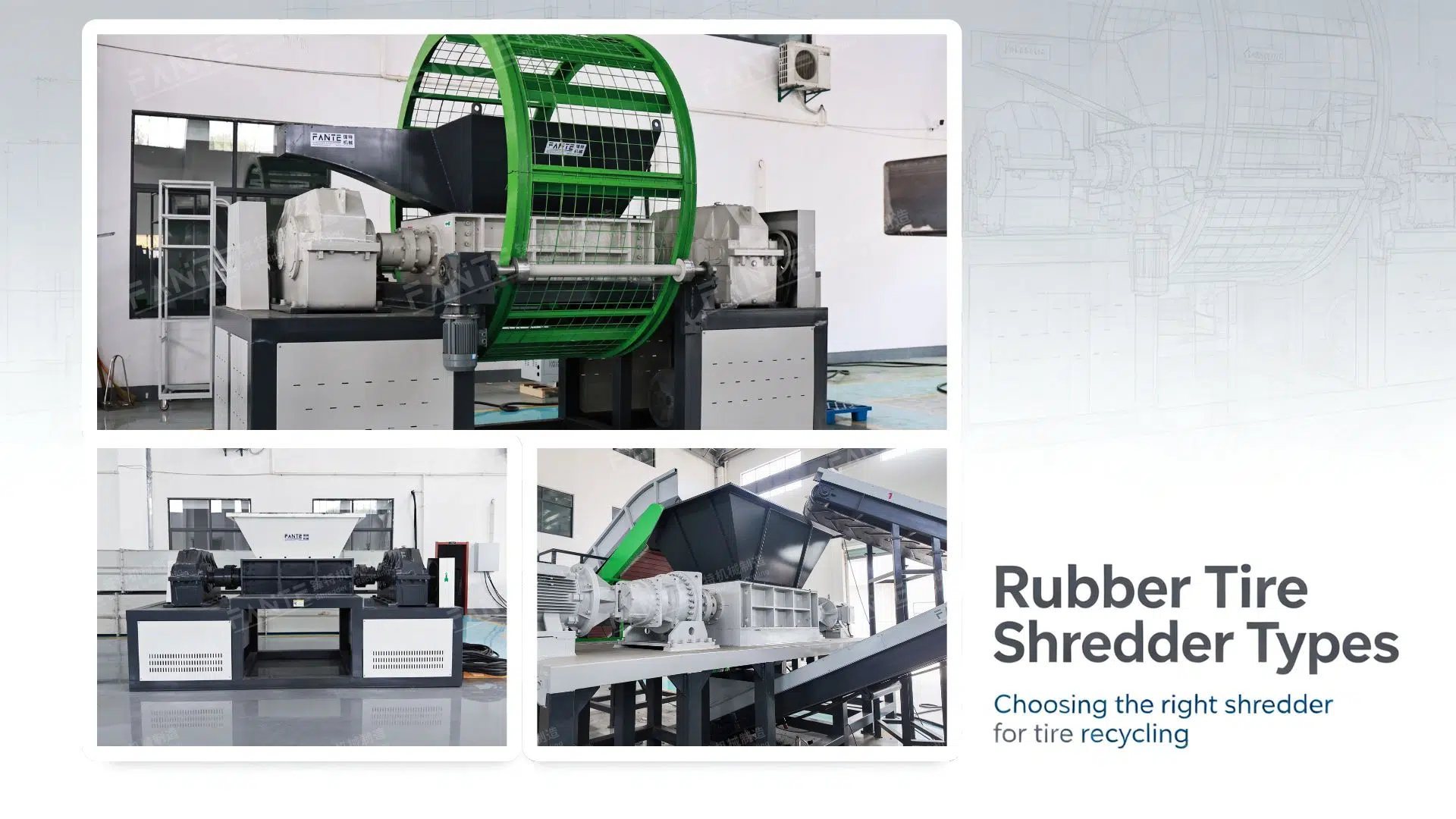
Large waste tires are difficult to process directly because of their strong rubber structure and embedded steel reinforcement. Industrial shredding equipment is used to break tires into manageable rubber chips.
The shredding process provides several advantages:
- Reduces tire volume
- Improves material handling
- Prepares rubber for further separation
- Increases recycling efficiency
A properly designed rubber mulch machine can maintain stable processing performance while producing consistent rubber material for the next stage.
Step 2: Removing Steel Wire from Tires
Passenger car tires and truck tires contain steel belts and bead wires that must be separated before producing final rubber mulch.
Magnetic separation equipment removes ferrous metals from shredded tire material.
Effective steel removal helps:
- Improve rubber purity
- Protect downstream equipment
- Increase the value of recovered steel
High-quality rubber mulch requires efficient separation technology to minimize metal contamination.
Step 3: Grinding Rubber into Required Sizes
After steel removal, rubber chips are further processed into smaller particles.
The grinding process controls:
- Particle size
- Surface quality
- Product consistency
Different customers may require different rubber mulch specifications. For example:
- Coarse rubber mulch for landscaping
- Fine rubber particles for playground surfaces
- Customized sizes for industrial applications
The processing parameters can be adjusted according to the final product requirements.
Step 4: Fiber Separation and Final Cleaning
Waste tires also contain textile fibers that can affect product quality.
During the recycling process, fiber separation systems remove lightweight materials from rubber particles.
This step improves:
- Product appearance
- Rubber purity
- Market acceptance
A complete recycling system combines shredding, separation, and cleaning technologies to produce high-quality recycled rubber materials.
What Equipment Is Needed for Rubber Mulch Production?
A commercial rubber mulch production line usually includes:
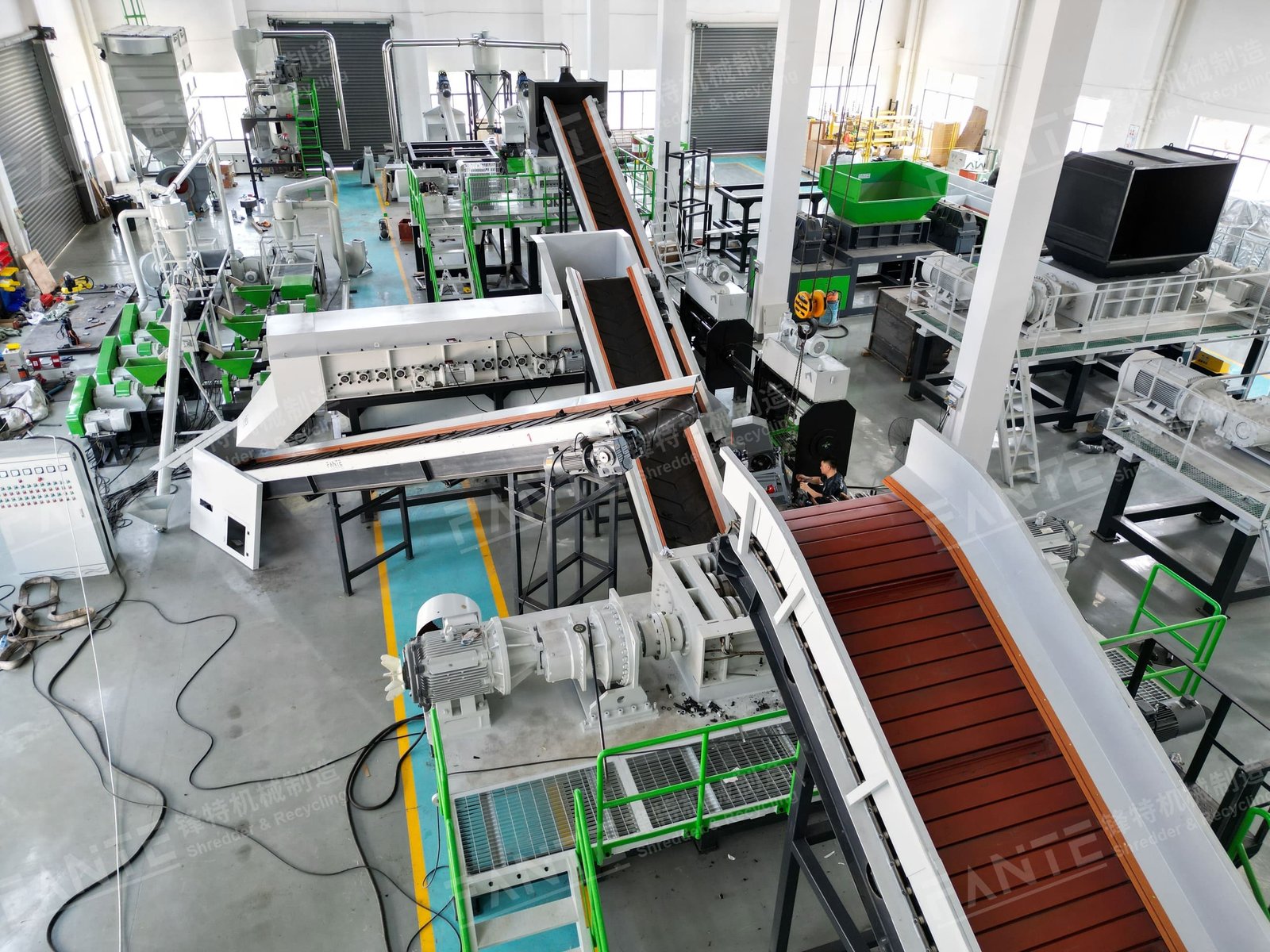
آلة تقطيع الإطارات
Used for the initial reduction of whole tires into smaller pieces.
Steel Separation System
Removes steel wires from processed tire materials.
Rubber Grinder
Reduces rubber chips into required particle sizes.
فاصل الألياف
Removes textile fibers and lightweight impurities.
Screening System
Controls final particle size and ensures consistent output.
The combination of these machines creates an efficient solution for converting waste tires into marketable rubber mulch products.
Why Invest in Rubber Mulch Production?
The demand for recycled rubber products continues to increase due to environmental regulations and the growth of circular economy projects.
الفوائد البيئية
Recycling waste tires reduces landfill pressure and prevents improper disposal.
Economic Opportunities
Waste tires can be transformed into valuable products with stable market demand.
Multiple Applications
Rubber mulch can serve different industries, creating additional revenue opportunities for recycling businesses.
How to Improve Rubber Mulch Production Efficiency?
To achieve stable production and high-quality output, recycling companies should focus on several factors:
Choose Suitable Equipment
The processing capacity should match the available waste tire supply and business goals.
Maintain Cutting Components
Regular inspection and maintenance help reduce downtime and improve production efficiency.
Optimize Separation Performance
Better steel and fiber removal directly improve product quality.
Control Final Particle Size
Consistent particle size helps meet customer requirements for different applications.
الخاتمة
Transforming waste tires into rubber mulch is an effective way to create value from discarded materials while supporting sustainable resource recovery.
A complete recycling solution uses shredding, steel separation, grinding, and cleaning technologies to produce high-quality rubber mulch for various industries.
By selecting the right rubber mulch machine and optimizing the recycling process, companies can build an efficient waste tire recycling business and contribute to a more sustainable future.