






Waste wires and cables come from many sources. These include construction sites, factories, power plants, and electronic waste recycling centers. If people do not handle them correctly, they create environmental pollution and resource loss. Recycling waste wires and cables offers clear environmental, economic, and social benefits. This article explains why wire and cable recycling matters and how modern recycling solutions create real value.
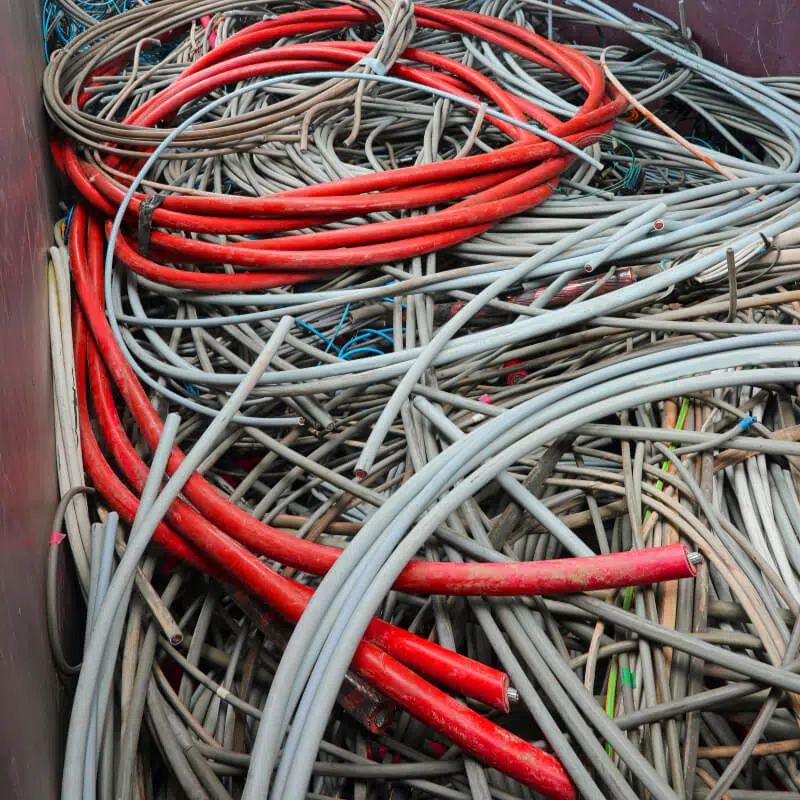
Waste Wires and Cables
Waste wires and cables usually contain metals and insulation materials. Copper and aluminum are the most common metals. Plastic or rubber covers protect these metals during use. After the cables reach the end of their life, they become waste.
Many people see old cables as useless scrap. In fact, they are valuable secondary resources. Copper, in particular, has high recycling value. Proper recycling allows these materials to return to industrial production.
The Importance of Recycling Scrap Wires and Cables
- Recycling reduces pressure on natural resources. Mining new copper consumes large amounts of energy and water. It also damages land and ecosystems. When companies recycle copper from waste cables, they reduce the need for mining.
- Recycling also prevents environmental pollution. If cables are burned or buried, they release harmful substances. These substances pollute soil, air, and water. Controlled recycling avoids these risks.
- In addition, recycling supports the circular economy. Materials stay in use for a longer time. This approach aligns with global sustainability goals and environmental regulations.
How Does the Recycling Process Work?
The recycling process follows several clear steps. First, operators collect and sort waste wires and cables. They remove large impurities such as metal fittings or connectors.
Next, machines process the cables. Shredding reduces cables into small pieces. Separation systems then divide metal from plastic. Gravity separation and air separation are common methods.
A copper cable recycling machine plays a key role in this stage. It ensures high metal purity and stable output. The recovered copper can meet industrial reuse standards.
Finally, recyclers package the separated copper and plastic. These materials are ready for resale or further processing.
الفوائد البيئية
- Recycling waste wires and cables saves energy. Recycled copper uses far less energy than primary copper production. This energy saving directly reduces carbon emissions.
- Recycling also lowers landfill use. Cables take many years to degrade. By recycling them, companies reduce landfill pressure and long-term pollution risks.
- Another benefit is reduced toxic emissions. Modern recycling uses physical separation instead of open burning. This approach protects workers and nearby communities.
Economic Benefits
Recycling creates direct economic value. Copper prices remain high due to global demand. Recovered copper provides stable revenue for recycling businesses.
Recycling also reduces material costs for manufacturers. Recycled copper often costs less than virgin copper. It also has reliable quality when processed correctly.
Furthermore, recycling supports local employment. Recycling plants require operators, technicians, and maintenance staff. This creates jobs and supports regional economies.
Using advanced equipment, such as a copper cable recycling machine, improves efficiency. Higher efficiency means lower operating costs and faster return on investment.
Who Benefits from Wire and Cable Recycling?
Many groups benefit from this process. Recycling companies gain profit opportunities. Manufacturers gain access to affordable raw materials.
Governments benefit from reduced environmental burden. Recycling supports compliance with environmental laws and waste management policies.
Communities also benefit. Cleaner recycling processes reduce pollution and health risks. A well-managed recycling industry improves overall environmental quality.
When Should Companies Invest in Recycling Equipment?
Companies should consider investment when waste cable volume becomes stable. Medium to large recycling operations gain the most benefits from automation.
Investment also makes sense when labor costs rise. Automated systems reduce dependence on manual sorting. They improve safety and consistency.
As environmental standards become stricter, early investment offers a compliance advantage. Companies with efficient recycling systems adapt faster to new regulations.
Where Is Wire and Cable Recycling Most Needed?
Demand for recycling exists worldwide. Rapid urban development creates large volumes of construction waste cables. Industrial upgrades also produce scrap wires.
Developing regions often lack proper recycling systems. Introducing professional recycling solutions improves resource efficiency in these markets.
In developed markets, recycling supports sustainability goals. Many companies now require recycled materials in their supply chains.
Improve Recycling Quality
Modern recycling equipment focuses on precision and automation. Sensors, crushers, and separators work together to improve output quality.
مصممة بشكل جيد copper cable recycling machine ensures high separation accuracy. Clean copper output increases resale value and customer trust.
Technology also improves safety. Enclosed systems reduce dust and noise. Automated feeding lowers the risk of worker injury.
الخاتمة
Recycling waste wires and cables delivers clear benefits. It protects the environment, saves resources, and creates economic value. It also supports sustainable industrial development.
With proper processes and reliable equipment, recycling turns waste into valuable materials. Companies that invest in efficient recycling systems gain long-term advantages.
As global demand for copper and sustainability continues to grow, wire and cable recycling will remain an essential industry.